Berger Picard as a Therapy Dog
Register Any Breed
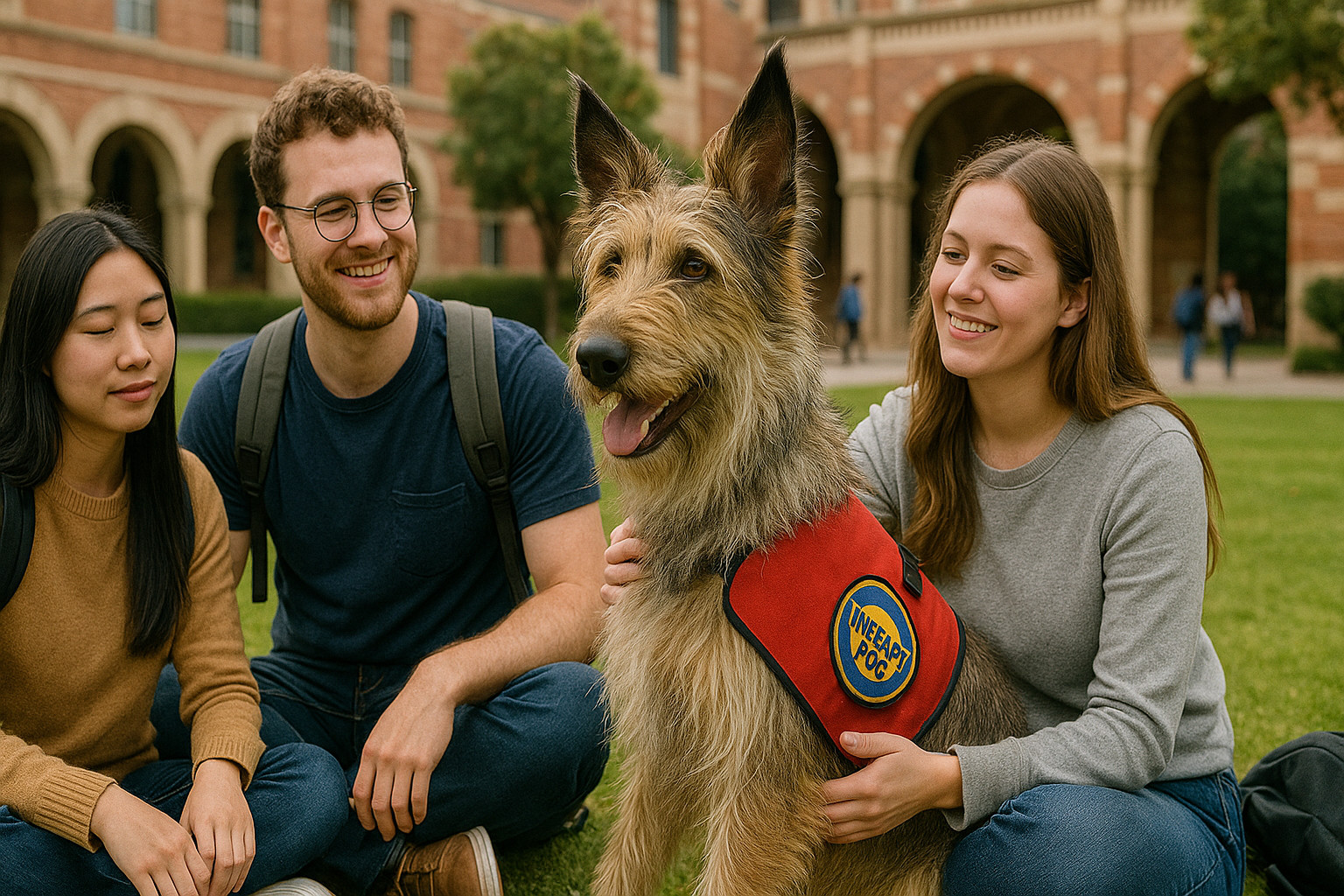
The Berger Picard, a rare and intriguing French herding breed, is slowly garnering attention for roles beyond the farm, particularly as a therapy dog. Known for their distinct appearance and appealing personality traits, Berger Picards are being considered for animal-assisted therapy roles due to their intelligence, empathy, and unique adaptability in various settings. This article explores the potential of the Berger Picard in the therapeutic arena, examining aspects such as temperament, adaptability, and care, with a focus on their suitability and effectiveness in therapy roles.
Berger Picard as a Therapy Dog Overview
Understanding the Therapy Dog Role
Therapy dogs serve a unique function, offering comfort, reducing anxiety, and improving the emotional well-being of individuals in diverse environments such as hospitals, schools, and rehabilitation centers. Unlike service dogs, which have specific tasks for individuals with disabilities, therapy dogs work with various people, providing emotional support through companionship and presence.
The Berger Picard stands out in this field due to its sociable nature and ability to connect with different individuals on an emotional level. Its role is to engage positively with individuals, promoting a sense of calm and joy which is essential in therapeutic settings.
Physical Appearance and Energy Level
The Berger Picard is a medium-sized dog characterized by a rugged, rustic appearance with a wiry coat that comes in shades of fawn to brindle. Their physical endurance and moderate energy levels allow them to engage actively without overwhelming individuals in a therapy setting. This balance is crucial when working in environments where calmness is required, yet interaction is encouraged.
In therapy settings, a dog's energy needs to match the emotional climate of the environment. The Berger Picard's adaptable energy level makes it an ideal candidate for both active settings, like schools, where it can engage in interactive activities, and calmer environments, such as nursing homes, where quiet companionship is needed.
Personality and Emotional Intelligence
Berger Picards are known for their intelligence, alertness, and affectionate nature. These traits are particularly beneficial in therapeutic roles. Their keen emotional intelligence allows them to read human emotions effectively, responding appropriately to signs of distress or discomfort.
- Empathy: The ability of Berger Picards to sense and respond to human emotions is critical. Their natural empathy enables them to provide comfort during sessions by adjusting their behavior according to the emotional needs of the individuals they are interacting with.
- Adaptability: Their versatility and comfort in diverse settings enable them to effectively transition between environments, a valuable trait for therapy dogs who may work in multiple settings.
Environments Where Berger Picard Excels
The adaptable nature and social disposition of the Berger Picard make it excel in various therapeutic environments. From bustling school corridors where young minds crave interaction, to serene hospital rooms requiring a gentle and comforting presence, the Berger Picard can adapt to diverse atmospheres.
Register Any Breed
Their ability to engage with individuals of all ages in settings such as:
- Schools: Ideal for working with children, fostering positive interactions through friendly engagement.
- Healthcare Facilities: Their calm demeanor provides comfort to patients and aids in stress reduction.
- Rehabilitation Centers: Their ease of adaptability makes them suited for environments that may present unpredictable scenarios and varying emotional stimuli.
Common Therapy Settings
The Berger Picard’s patience and sociable nature position them for success in specific therapeutic settings:
- Hospitals: Offering psychological relief and companionship to patients during their recovery process.
- Elderly Care Homes: Providing emotional support and companionship, significantly impacting residents' mental health.
- Special Needs Schools: Their gentle approach encourages interaction and participation from students needing encouragement or motivation.
Interactions with Different Populations
Interacting with different populations requires a therapy dog to be gentle, patient, and intuitive. The Berger Picard's friendly and adaptable nature makes it well-suited for engaging with various age groups and individuals with different emotional needs.
- Children and Adolescents: Berger Picards can provide a soothing presence for children and teenagers, promoting relaxation and reducing anxiety through their interactive nature.
- Seniors and Adults: Their calm demeanor and affectionate interactions can alleviate loneliness and improve mental stimulation for adults and seniors.
Health and Wellness Factors
The overall health and wellness of a therapy dog are crucial for ensuring their effectiveness and ability to assist others without facing personal discomfort or health issues.
Lifespan and Common Health Issues
Berger Picards typically have a lifespan of about 12 to 14 years, but like all breeds, they are susceptible to certain health issues:
- Hip Dysplasia: Regular check-ups and physical care are necessary to mitigate potential mobility issues.
- Progressive Retinal Atrophy (PRA): Regular eye examinations can help in managing and identifying issues early.
Maintaining their health ensures that Berger Picards remain energetic and comfortable in therapy roles, without facing undue stress or pain.
Maintenance and Care Needs
A Berger Picard’s wiry coat requires regular grooming to maintain its condition and reduce shedding. Routine grooming practices play a part in health maintenance, potentially reducing allergens and ensuring the dog's comfort when interacting closely with individuals.
Personality and temperament are directly influenced by their overall health and well-being, which can impact therapy effectiveness. Proper nutrition, regular exercise, and grooming are essential components in ensuring they remain effective companions in therapeutic settings.
Training and Certification Readiness
Training a Berger Picard for therapy roles requires an understanding of their learning style and a focus on socialization to enhance their natural traits.
Learning Style and Responsiveness
Berger Picards are intelligent and respond well to positive reinforcement and consistent training routines. Their eagerness to please aids in successfully learning the necessary commands and behaviors for therapy roles.
- Positive Reinforcement: Encourages repetition and strengthens communication between the dog and the handler.
- Consistent Routines: Enhances their ability to adapt to structured therapy environments.
Handling Social and Emotional Stimuli
The Berger Picard’s innate responsiveness helps them process and react to emotional stimuli effectively. They can adjust their behavior based on the emotional context of the individuals they engage with, offering a tailored interaction that fits the specific needs of the therapeutic session.
Strengths, Limitations, and Ideal Roles for Berger Picard
While the Berger Picard boasts many strengths in a therapy setting, it is crucial to recognize potential limitations and define ideal roles:
- Strengths: Empathic personality, adaptability, intelligence, moderate energy levels, and sociability.
- Limitations: Requires consistent grooming, may experience separation anxiety if left alone for long periods.
- Ideal Roles: Excellent candidates for roles that require interaction with varied populations, especially children and seniors.
Final Thoughts
In conclusion, the Berger Picard, with its sociable nature and intelligent adaptability, presents a promising choice for therapy roles. Their emotional intelligence, paired with their eagerness to engage, facilitates strong connections with individuals across various settings. Training and maintaining their health are essential to maximizing their potential as therapy dogs, ensuring they provide the best support possible while enjoying a rewarding career.
Key Takeaways for the Berger Picard as a Therapy Dog:
- Best suited for: Environments requiring empathy and adaptability, such as hospitals and schools.
- Not ideal for: Settings requiring very high or very low energy levels without flexibility.
- Temperament highlights: Sociable, intelligent, empathetic, and responsive.
- Care and health notes: Regular grooming and health checks to prevent issues such as hip dysplasia.
- Therapy environments where they shine: Schools, elderly care homes, and healthcare facilities.


-
Public Access Kits
$149.00 Learn more This product has multiple variants. The options may be chosen on the product page -
Quick Ship Premium Vests
$48.00 – $82.00 Learn more This product has multiple variants. The options may be chosen on the product page -
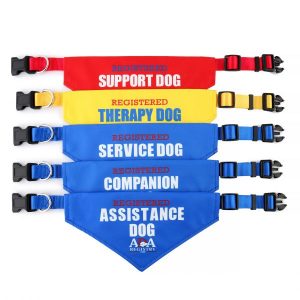
Service Dog Bandana
$39.95 Learn more This product has multiple variants. The options may be chosen on the product page
Custom ID Cards

Custom ID Cards
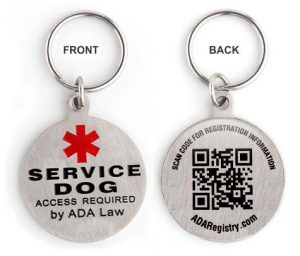
Custom Service Dog Tags
Official Dog Vests

Smart Vests
Official Public Access Kits
Complete Kits
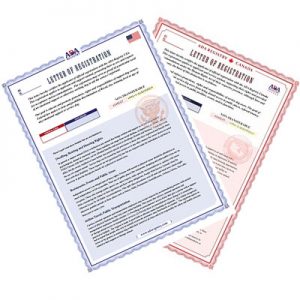
USA & CANADA Letters
High Quality Bandanas
Service Dog Tags
Smart Tags

ESA TAGS