Bichon Frise as a Therapy Dog
Register Any Breed
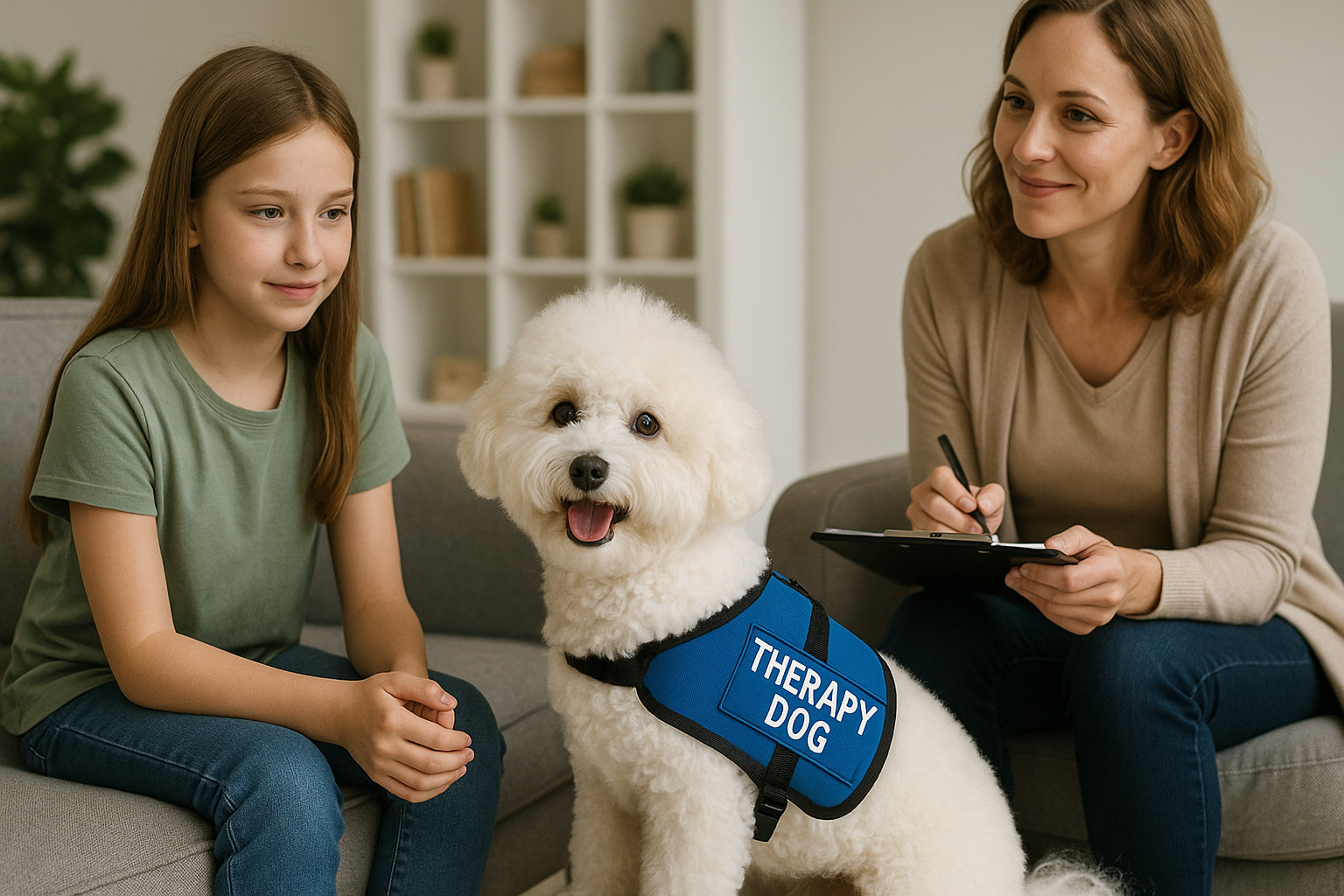
The Bichon Frise, with its cheerful disposition and adaptable nature, has charmed countless pet lovers around the world. While often recognized for their companionship qualities, Bichon Frises also hold a special place in the realm of animal-assisted therapy. This article explores the various attributes that make the Bichon Frise a promising candidate for therapy work, providing insights into their temperament, adaptability, and caregiving needs.
Bichon Frise as a Therapy Dog Overview
Yeah, lots of people know Bichons are cute and cuddly, but they're also fantastic therapy dogs. With their gentle and affectionate nature, they excel in providing comfort and emotional support to individuals in various settings. Let's delve into what makes them an excellent choice for therapy work.
Understanding the Therapy Dog Role
Therapy dogs are primarily trained to provide comfort and affection to people in both clinical and informal settings. Unlike service dogs, which perform specific tasks for people with disabilities, therapy dogs visit hospitals, nursing homes, schools, and disaster areas to offer emotional support. The Bichon Frise's sociable nature and inherent kindness make them natural candidates for such roles.
- Temperament and Behavior: Bichons are inherently friendly, playful, and gentle. Their ability to engage positively with unfamiliar people is crucial for successful therapy interactions.
- Empathy and Calmness: Known for their empathetic nature, Bichons can sense human emotions and respond appropriately, a vital trait for therapy scenarios.
Physical Appearance and Energy Level
Bichon Frises are small to medium-sized dogs with a sturdy build. Their hypoallergenic coat and expressive eyes often draw people in, making them approachable and comforting.
- Adaptability: Their adaptable energy levels mean they can engage energetically during playful interactions or remain calm and composed in quieter environments.
- Hypoallergenic Coat: Their non-shedding coat is ideal for environments where allergies could be an issue, enhancing their effectiveness in therapy settings.
Personality and Emotional Intelligence
Bichon Frises are renowned for their cheerful demeanor and high emotional intelligence. These qualities are pivotal in therapy situations where understanding human emotions is key.
- Social Engagement: They are naturally engaging and eager to interact with people, breaking down barriers and fostering connections.
- Sensitivity: Their keen sensitivity allows them to adjust their behavior depending on the emotional needs of the individual they're interacting with.
Environments Where Bichon Frise Excels
The adaptability of the Bichon Frise allows them to thrive in a variety of environments, making them highly versatile therapy dogs.
- Hospitals and Nursing Homes: Their gentle nature helps in creating a soothing environment for patients and the elderly.
- Schools and Libraries: Their friendly disposition encourages interaction with children, aiding in educational environments or reading programs.
Common Therapy Settings
The Bichon Frise's small size and friendly nature make them suitable for numerous therapy settings. Their presence alone can boost morale and provide comfort.
Register Any Breed
- Hospice Care: Offering emotional support during difficult times, they provide a peaceful presence that can alleviate stress.
- Rehabilitation Centers: By encouraging participation in therapeutic activities, Bichons assist in both physical and emotional recovery processes.
Interactions with Different Populations
The Bichon Frise is adept at interacting with a diverse range of individuals, each with unique needs.
- Children: Their gentleness and playful nature make them ideal companions for children, especially those who may be anxious or emotionally distressed.
- Seniors: Bichons offer companionship and a sense of purpose to the elderly, who often benefit from their affectionate presence.
Health and Wellness Factors
While Bichon Frises are generally healthy, their wellness directly impacts their ability to serve effectively as therapy dogs.
- Regular Vet Check-ups: Routine health evaluations ensure they remain in optimal condition for their visits.
- Exercise Requirements: Though they don't require intense exercise, daily walks and playtime are essential to keep them fit and happy.
Lifespan and Common Health Issues
Understanding the lifespan and potential health challenges of the Bichon Frise is critical in anticipating their suitability and longevity in therapy roles.
- Lifespan: Bichons typically live between 12-15 years, allowing for a potentially long-term commitment to therapy work.
- Health Issues: They may encounter issues such as allergies and dental problems, which require attentive care and regular vet visits.
Maintenance and Care Needs
Proper grooming and care are essential to maintain the well-being of the Bichon Frise, directly influencing their preparedness for therapy duties.
- Grooming Requirements: Regular grooming keeps their coat clean and free from matting, making them more comfortable for interaction.
- Dietary Needs: A balanced diet ensures they maintain a healthy weight and overall well-being, crucial for sustained therapy work.
Training and Certification Readiness
While their natural disposition makes them great candidates, proper training is still essential for them to excel as therapy dogs.
- Obedience Training: Teaching commands and ensuring obedience help Bichons perform their role effectively and safely.
- Certification Programs: Involvement in accredited therapy dog certification programs can further legitimize their role and ensure they meet required standards.
Learning Style and Responsiveness
The learning style of a Bichon Frise influences how effectively they can be trained as therapy dogs.
- Intelligence and Quick Learning: Their intelligence and eagerness to please make them quick learners, benefiting their training process.
- Positive Reinforcement: Using positive reinforcement techniques enhances their responsiveness and reinforces desired behaviors.
Handling Social and Emotional Stimuli
The ability of a Bichon Frise to handle various social and emotional stimuli is a testament to their capabilities as therapy dogs.
- Calm Demeanor: Remaining calm in potentially overwhelming situations is one of their defining traits, increasing their effectiveness.
- Social Adaptability: Their willingness to engage with people from all walks of life enables them to excel in diverse settings.
Strengths, Limitations, and Ideal Roles for Bichon Frise
Every dog has its strengths and limitations, and recognizing these in the Bichon Frise helps to assign appropriate therapy roles.
- Strengths: Their friendliness, empathy, and adaptability make them natural therapy dog candidates.
- Limitations: Potential health issues and the need for regular grooming may limit their effectiveness if not properly managed.
- Ideal Roles: Bichons shine in environments where close, comforting interactions with humans are sought, such as in hospitals and educational settings.
Final Thoughts
The Bichon Frise is a remarkable breed with innate qualities that make it well suited for therapy work. Their cheerful disposition, adaptability, and eagerness to connect with people make them a delightful choice for individuals seeking emotional support. While they require regular care and attention to their health, their benefits as therapy dogs are immense. With the right training, a Bichon Frise can transform lives by providing comfort, joy, and companionship to those in need.
Key Takeaways for the Bichon Frise as a Therapy Dog
- Best suited for: Emotional support roles in hospitals, schools, nursing homes, and rehabilitation centers.
- Not ideal for: High-energy therapeutic activities requiring physical exertion, due to their moderate activity level.
- Temperament highlights: Friendly, empathetic, adaptable, and eager to engage with a wide range of individuals.
- Care and health notes: Requires regular grooming and monitoring for common health issues, such as allergies and dental care.
- Therapy environments where they shine: Provide comfort and companionship in calming and supportive settings.
In summary, the Bichon Frise's versatility, gentle nature, and ability to connect with people emotionally make it a valuable asset in the field of therapy work. With their joyful presence, they have the power to make a profound impact in the lives of those they encounter.


-
Public Access Kits
$149.00 Learn more This product has multiple variants. The options may be chosen on the product page -
Quick Ship Premium Vests
$48.00 – $82.00 Learn more This product has multiple variants. The options may be chosen on the product page -
Service Dog Bandana
$39.95 Learn more This product has multiple variants. The options may be chosen on the product page
Custom ID Cards

Custom ID Cards
Custom Service Dog Tags
Official Dog Vests

Smart Vests
Official Public Access Kits
Complete Kits
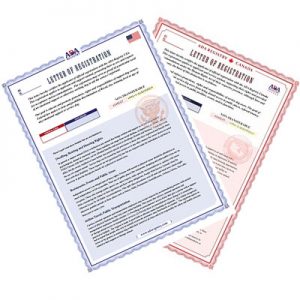
USA & CANADA Letters
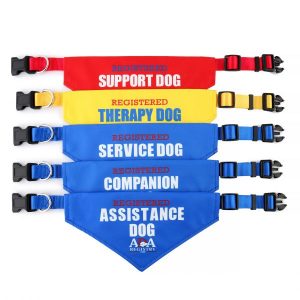
High Quality Bandanas
Service Dog Tags
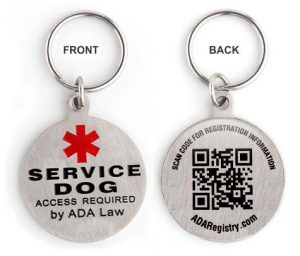
Smart Tags

ESA TAGS