Bloodhound as a Therapy Dog
Register Any Breed
Bloodhound as a Therapy Dog Overview
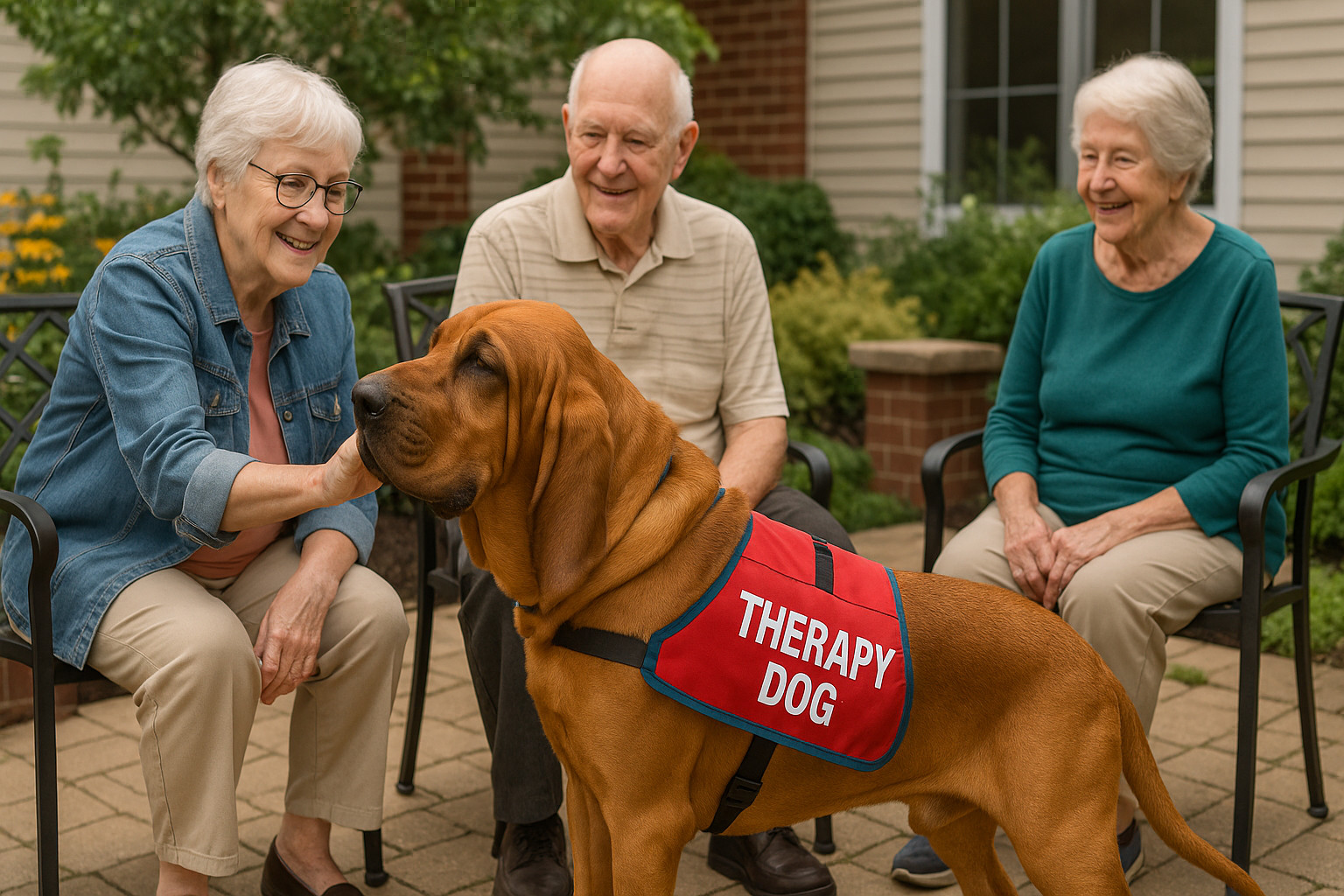
The Bloodhound, with its remarkable scenting ability and gentle demeanor, is a breed that carries a special place not only in search and rescue operations but also in therapy settings. Known for its tenacity and soulful, droopy eyes, the Bloodhound has the potential to bring comfort and joy to various therapy scenarios. Here, we explore the unique attributes that might make the Bloodhound a suitable candidate for therapy work, touching on their temperament, health, and specific environments where they excel.
Understanding the Therapy Dog Role
Therapy dogs are specially trained to provide comfort, emotional support, and companionship to individuals in various settings such as hospitals, nursing homes, schools, and disaster areas. Unlike service dogs, their primary role is not to perform tasks for individuals with disabilities, but rather to uplift spirits and promote healing through gentle interaction. The Bloodhound, known for its patient and doting nature, can thrive in this role, offering affection and a calming presence to those in need.
Physical Appearance and Energy Level
Standing out with their distinctive long ears and wrinkled skin, Bloodhounds have a physical appearance that exudes both stateliness and warmth. While their imposing size might seem a deterrent, their typically relaxed posture and demeanor make them approachable, particularly to patients who might feel intimidated by more hyperactive breeds. Bloodhounds possess a moderate energy level, which is a favorable trait for therapy work as they are capable of being calm and steady, yet active enough to engage with those they meet.
Personality and Emotional Intelligence
Bloodhounds are renowned for their intelligence and a strong sense of empathy, traits essential for successful therapy work. They exhibit a calm disposition, an element critical to remaining composed in environments that can be unpredictable or emotionally charged. Their emotional intelligence enables them to sense distress and react in a comforting manner, maintaining sensitivity to the needs of those they serve. Such characteristics make them formidable allies in therapy settings.
Environments Where Bloodhound Excels
Bloodhounds shine in environments where their innate patience and gentleness can be best appreciated. They thrive in quiet settings such as libraries or assisted living facilities, where their presence can quietly encourage interaction. Furthermore, their stability is an asset in rehabilitation centers where patients work toward regaining physical or emotional independence, as the breed’s steadfast nature mirrors the consistency and reliability needed for recovery.
Common Therapy Settings
The Bloodhound's patient temperament is particularly well-suited for hospitals, where long visits are often a part of providing emotional support. In school-based therapy programs, their amiable nature helps children open up and engage in social interactions. Conversely, in elderly care facilities, their loyalty and companionable spirit provide comfort and a sense of security. While Bloodhounds are highly adaptable, the key to their success lies in environments where stress levels are manageable and where there is room for their sizable frame.
Interactions with Different Populations
Bloodhounds are known to be gentle and tolerant, making them effective companions for various populations, from children to the elderly. Children, especially, find their calm demeanor soothing and non-threatening. For the elderly or those in palliative care, the Bloodhound's quiet loyalty can offer solace and a non-judgmental presence. The structural features of their face, such as their drooping eyes, seem to naturally invite trust and engagement from all age groups.
Register Any Breed
Health and Wellness Factors
Monitoring the Bloodhound’s health is crucial to ensuring their longevity and effectiveness as therapy dogs. Regular checkups, vaccinations, and specially-tailored diets are key to their health. Bloodhounds are prone to specific health issues such as hip dysplasia and ear infections. Routine veterinary care is essential to prevent these conditions from interfering with their therapy work, ensuring they are fit to fulfill their emotional roles.
Lifespan and Common Health Issues
Bloodhounds typically have a lifespan of 10-12 years. Understanding common health issues like ear infections, bloat, or joint problems that can impact their ability to perform therapy functions is crucial for handlers. Providing proper exercise, diet control, and regular health screenings can mitigate these risks and extend their ability to serve effectively in a therapy setting.
Maintenance and Care Needs
Grooming and maintenance are pivotal aspects of a Bloodhound’s care. Their coat, though short, does shed and requires routine brushing to keep it clean and healthy. Their distinctive ears need regular cleaning to prevent infections, a common issue in long-eared breeds. Keeping their nails trimmed and ensuring dental hygiene are also important to their overall health and comfort, enabling them to interact safely and happily with therapy patients.
Training and Certification Readiness
Bloodhounds possess a natural intelligence and a desire to please, making them trainable for therapy certification, although patience is required due to their occasionally stubborn streak. Socialization from a young age and consistent positive reinforcement techniques facilitate the learning process. Certification may require adherence to specific standards set by organizations, emphasizing their ability to remain calm and welcoming under diverse circumstances.
Learning Style and Responsiveness
A Bloodhound's learning process can be both a rewarding and challenging experience. Known for their independence, they need motivating and engaging training sessions to enjoy learning. Utilizing their excellent scent abilities in training can also foster engagement and successful outcomes. Positive reinforcement combined with gentle consistency will harness their trainability, improving readiness for therapy dog certification.
Handling Social and Emotional Stimuli
The Bloodhound's calm nature often translates to effective handling of various social and emotional stimuli encountered in therapy settings. Their sensitivity to human emotions helps them respond positively to emotional cues, providing quiet companionship or playful engagement as required. This adaptability allows them to thrive in therapeutic roles where understanding the emotional state of humans can enhance interactions.
Strengths, Limitations, and Ideal Roles for Bloodhound
Strengths of Bloodhounds in therapy include their capability to provide emotional support through proximity and physical warmth. Their gentle demeanor is an asset in settings needing calm rather than energetic interactions. However, their size and susceptibility to health issues may limit their ability to partake in certain therapy environments. Ideally, Bloodhounds perform well in roles requiring minimal physical demand, where their empathetic nature can be fully appreciated without risk to their health.
Final Thoughts
The Bloodhound offers a unique blend of gentle strength and emotional empathy in therapy work. With the right training and care, they bring calming support and friendship, particularly in environments that cater to their calm demeanor and size. While they may not suit fast-paced or physically demanding settings, their quiet strength offers immense benefit to those who need patience, warmth, and understanding.
Key Takeaways for the Bloodhound as a Therapy Dog
- Best suited for: Calm environments, such as hospitals, schools, and assisted living facilities where patience and empathy are valued.
- Not ideal for: High-energy or physically demanding settings, due to their size and potential health issues.
- Temperament highlights: Gentle, patient, empathy-driven — capable of providing profound emotional support.
- Care and health notes: Requires regular grooming and health checks to mitigate issues like hip dysplasia and ear infections.
- Therapy environments where they shine: Rehabilitation centers, elderly care, quiet learning environments where their calming presence is most beneficial.


-
Public Access Kits
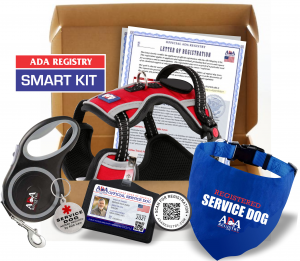
$149.00 Learn more This product has multiple variants. The options may be chosen on the product page -
Quick Ship Premium Vests
$48.00 – $82.00 Learn more This product has multiple variants. The options may be chosen on the product page -
Service Dog Bandana
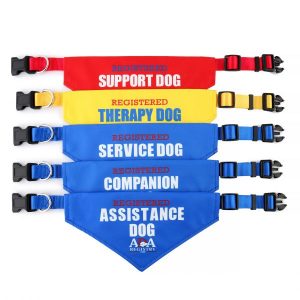
$39.95 Learn more This product has multiple variants. The options may be chosen on the product page
Custom ID Cards

Custom ID Cards
Custom Service Dog Tags

Official Dog Vests

Smart Vests
Official Public Access Kits
Complete Kits
USA & CANADA Letters

High Quality Bandanas
Service Dog Tags
Smart Tags

ESA TAGS