Border Collie as a Therapy Dog
Register Any Breed
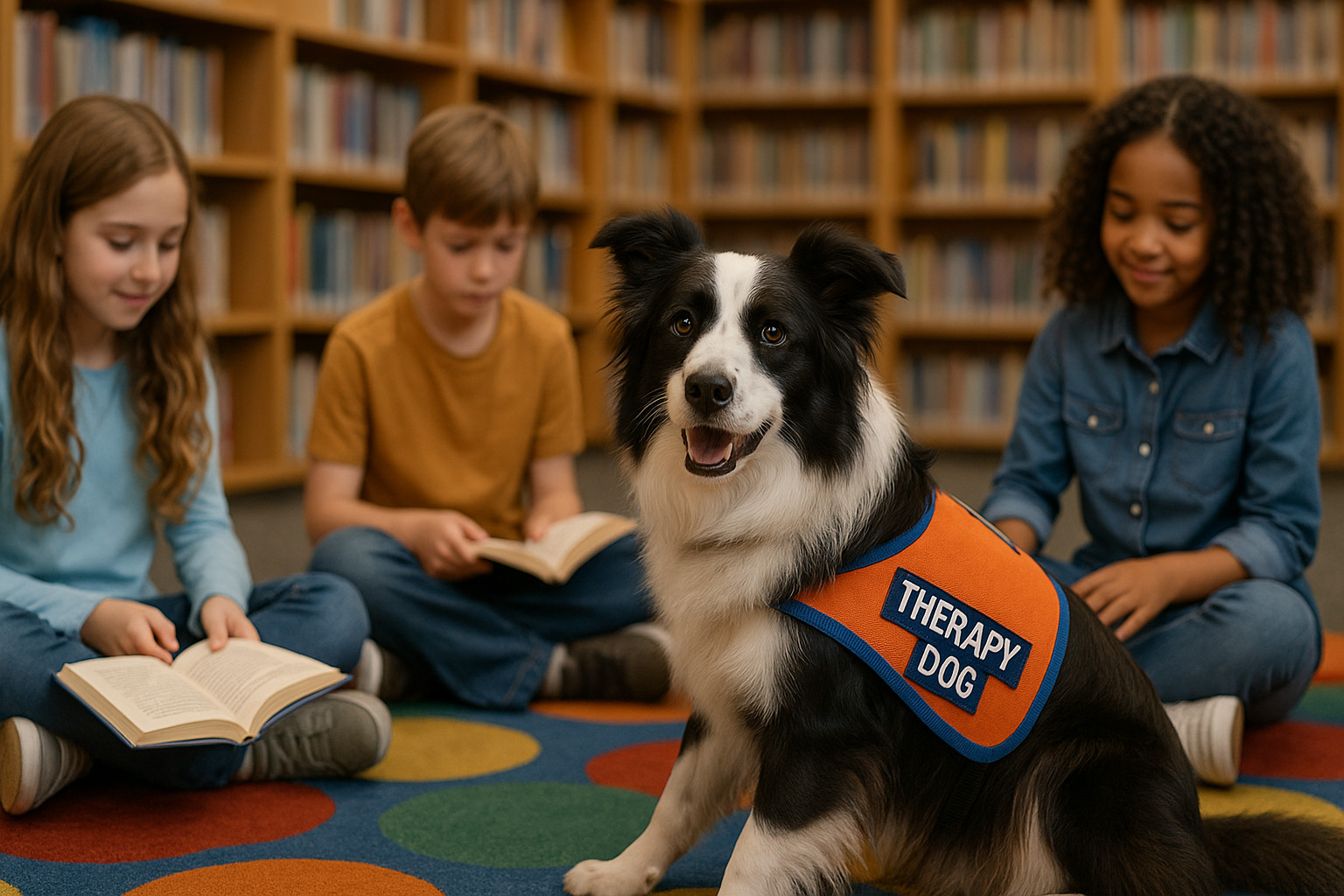
Border Collie as a Therapy Dog Overview
The Border Collie is widely renowned for its intelligence, agility, and exceptional work ethic, making it a versatile breed in various roles. While typically associated with herding sheep or competing in agility competitions, Border Collies also possess qualities that can make them excellent therapy dogs. This article delves deeply into how their characteristics align with therapy roles, exploring suitability, environments, interactions, and health considerations.
Understanding the Therapy Dog Role
Therapy dogs are trained to provide comfort, affection, and companionship to individuals in various settings. Unlike service dogs, they don’t perform specific tasks for one individual but interact with multiple people. Their role is rooted in emotional interaction, requiring a calm demeanor, social intelligence, and the ability to adapt to different environments and personalities.
Physical Appearance and Energy Level
Border Collies are medium-sized dogs recognized for their athletic and agile build — attributes largely stemming from their herding background. While their energy levels are high, their physical appearance, often with expressive eyes and a friendly demeanor, makes them approachable and comforting to many.
- Positive Traits: Their high energy can be channeled into engaging and dynamic interactions with individuals in therapy settings. Physical vivacity can translate into an enthusiasm that is infectious to those around them, especially beneficial in environments like schools or rehabilitation centers.
- Considerations: Managing this energy effectively is crucial to ensure their excited nature doesn’t become overwhelming for patients, particularly in sensitive settings such as hospitals or elder care facilities.
Personality and Emotional Intelligence
Border Collies are often considered one of the most intelligent dog breeds, displaying high levels of problem-solving skills and trainability. Yet, their emotional intelligence is equally remarkable, contributing significantly to their therapy capabilities.
- Empathy and Sensitivity: They possess an acute ability to read human emotions, which aids in forming connections with individuals requiring emotional support. This enables them to respond appropriately to varying emotional states, offering comfort through simple companionship or playful interactions.
- Calmness and Adaptability: While naturally energetic, Border Collies can be trained to exhibit calmness, a necessary trait when working as therapy dogs. Their adaptability allows them to transition between different environments and patient moods seamlessly, making their presence stabilizing.
Environments Where Border Collie Excels
Therapy dogs are often utilized in diverse environments, and the Border Collie thrives in many of these due to their innate traits. Their ability to engage and connect can elevate therapeutic interactions in various settings.
- Schools: Their engaging nature and intelligence make them excellent companions for children. Children benefit from their playful interaction, encouraging positive emotional development.
- Rehabilitation Centers: Their energy and enthusiasm can motivate patients in physical and mental rehabilitation, encouraging participation in therapy exercises and social interactions.
- Hospitals and Elder Care: With appropriate training, they can provide calm companionship to patients and residents, offering a sense of normalcy and emotional support amidst clinical or institutional settings.
Common Therapy Settings
In therapy settings, Border Collies generally excel in environments that match their personality traits and physical requirements. Effective application of therapy dogs involves understanding and leveraging these traits for mutual benefit.
- Schools and Educational Programs: Utilizing their intelligence and energy to engage deeply with children, helping with coping mechanisms, and enhancing learning through structured interactions.
- Mental Health Facilities: Providing emotional support and comfort through empathy-driven interactions, helping to improve patient attitudes and responses during therapy sessions.
Interactions with Different Populations
A well-trained Border Collie can adapt to various populations, adjusting their behavior to meet different emotional and physical needs effectively.
Register Any Breed
- Children: Their playful, energetic nature quickly builds rapport, making them ideal in pediatric therapy to encourage engagement and reduce anxiety.
- Older Adults: With calm training, they offer comforting companionship to older adults, encouraging social interaction and enhancing quality of life.
- Patients with Disabilities: Their ability to adapt and engage at different energy levels makes them excellent companions for patients requiring physical or emotional motivation.
Health and Wellness Factors
Maintaining the health and wellness of a Border Collie is integral to ensuring they perform optimally in their roles as therapy dogs. Their physical and emotional health components are equally crucial.
- Diet and Regular Exercise: A balanced diet and adequate physical activity help manage their high energy levels, essential for both their health and ability to remain calm and focused during visits.
- Regular Check-Ups: Routine veterinary checks are crucial to prevent health issues that could limit their effectiveness as therapy dogs.
Lifespan and Common Health Issues
The typical lifespan of a Border Collie ranges from 12 to 15 years. Awareness of common health issues and proactive health management significantly contribute to their longevity and efficacy as therapy partners.
- Common Issues: Border Collies are prone to hip dysplasia, epilepsy, and eye conditions, which can impact their comfort and ability to engage in visits or therapy sessions.
- Preventive Measures: Regular screenings and veterinary care help mitigate health risks, ensuring they remain healthy and capable of fulfilling their therapy roles.
Maintenance and Care Needs
Proper grooming and maintenance routines are vital for therapy dogs to ensure they remain healthy, presentable, and comfortable.
- Grooming Needs: Regular brushing is essential to manage shedding and maintain a neat appearance, important in clinical settings where hygiene is paramount.
- Mental Stimulation: Providing mental stimulation through training and play is vital to keep them engaged and prevent boredom, preventing undesired behaviors.
Training and Certification Readiness
The intelligence of the Border Collie contributes significantly to their trainability, but effective training requires patience, consistency, and understanding.
- Responsive Learning: Known for rapid learning abilities, Border Collies require training that is structured, engaging, and constantly challenges their intellect.
- Socialization and Desensitization: Crucial for therapy work, involving exposure to various environments, people of all ages, and medical equipment to ensure comfort in diverse settings.
- Certification Programs: Pursuing therapy dog certification through recognized programs ensures they meet all necessary behavioral and health standards.
Learning Style and Responsiveness
Border Collies are known for their quick learning and responsiveness to commands, facilitating effective training for therapy work.
- Positive Reinforcement: Taking advantage of their desire to please and quick learning capabilities enhances training efficacy, ensuring commands are understood and followed consistently.
- Adaptive Learning: They benefit from training that incorporates varied settings and stimuli, preparing them for the range of environments they may encounter.
Handling Social and Emotional Stimuli
Managing a Border Collie's interaction with social and emotional stimuli is critical in therapy contexts, where sensitivity and emotional intelligence are paramount.
- Emotional Responsiveness: Training includes fostering their ability to correctly interpret and respond to human emotions, aligning their behavior to provide appropriate support.
- Calming Techniques: Teaching techniques to manage excitement and maintain calmness prevents overwhelming individuals or disrupting sensitive environments.
Strengths, Limitations, and Ideal Roles for Border Collie
While Border Collies possess many attributes that make them effective therapy dogs, awareness of their strengths and potential limitations ensures suitable placements.
- Key Strengths: Intelligence, empathy, and adaptability help them form deep connections and adjust to various environments and emotional needs.
- Limitations: Without proper energy management, their enthusiasm might overwhelm certain populations or settings, requiring strategic use of their traits.
- Ideal Roles: Thriving in dynamic settings with children or active rehabilitation centers, where their energy and intelligence are appreciated and harnessed effectively.
Final Thoughts
Border Collies, with their intelligence, empathy, and adaptability, can excel as therapy dogs under the right circumstances. Careful consideration of their energy levels, health requirements, and intended therapy settings ensures a harmonious match between their capabilities and client needs.
Key Takeaways for the Border Collie as a Therapy Dog
- Best suited for: Dynamic settings such as schools and rehabilitation centers.
- Not ideal for: Environments requiring low energy and minimal interaction.
- Temperament highlights: Intelligent, empathetic, and highly adaptable.
- Care and health notes: Needs regular exercise, grooming, and health check-ups.
- Therapy environments where they shine: Schools, rehabilitation centers, and mental health facilities.


-
Public Access Kits
$149.00 Learn more This product has multiple variants. The options may be chosen on the product page -
Quick Ship Premium Vests
$48.00 – $82.00 Learn more This product has multiple variants. The options may be chosen on the product page -
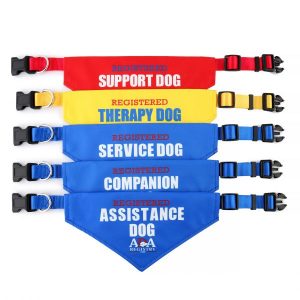
Service Dog Bandana
$39.95 Learn more This product has multiple variants. The options may be chosen on the product page
Custom ID Cards

Custom ID Cards
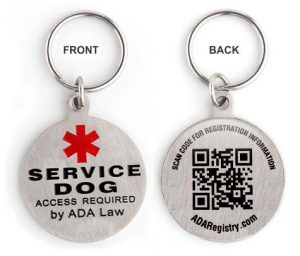
Custom Service Dog Tags
Official Dog Vests

Smart Vests
Official Public Access Kits
Complete Kits
USA & CANADA Letters

High Quality Bandanas
Service Dog Tags
Smart Tags

ESA TAGS