Boxer as a Therapy Dog
Register Any Breed
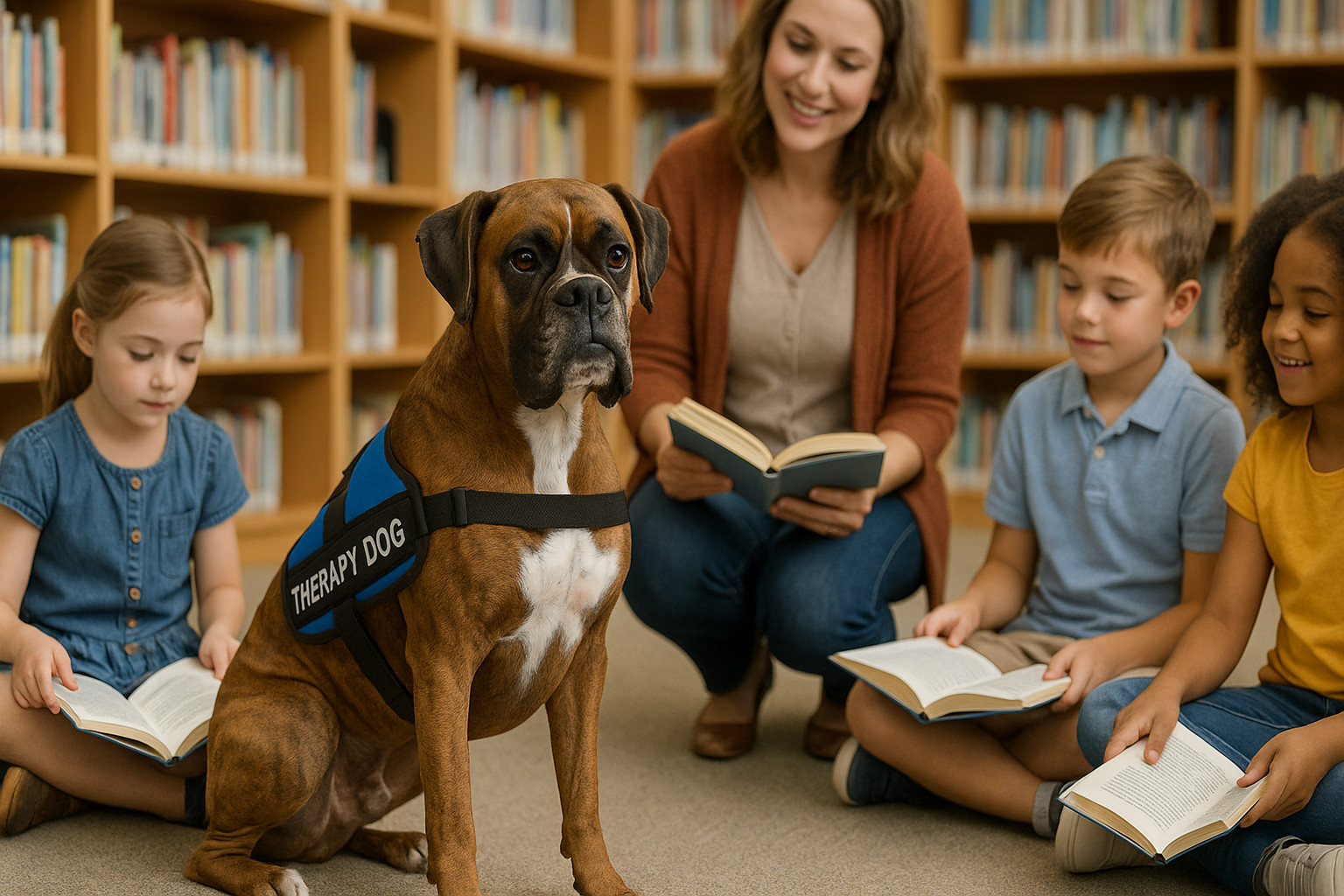
Boxers are renowned for their distinctive personality and robust physique, often conveying a spirited energy that endears them to many dog enthusiasts. However, beyond their popular image as loyal family companions, Boxers possess qualities that make them excellent candidates for therapy dog roles. This article examines the Boxer’s suitability as a therapy dog, delving into their key characteristics and considering the environments where they are most effective.
Boxer as a Therapy Dog Overview
Selecting the right dog breed for therapy work involves analyzing numerous factors, including temperament, physical attributes, and adaptability to various settings. Boxers bring a unique blend of strengths and challenges to the therapy dog role. Their natural enthusiasm paired with a gentle demeanor helps them forge strong, empathetic connections with those in need of emotional support.
Understanding the Therapy Dog Role
Therapy dogs offer emotional comfort and companionship to individuals in various settings such as hospitals, schools, and nursing homes. These dogs are not trained to perform specific tasks for disabled individuals (unlike service dogs) but rather to provide warmth and companionship, aiding in emotional and psychological healing processes. Boxers excel in establishing bonds due to their inherently sociable and affectionate nature.
Physical Appearance and Energy Level
The Boxer’s muscular build and high energy level can be both an asset and a challenge in therapy contexts. Their sturdy physique often provides a sense of security and stability, and their enthusiastic presence can uplift those around them. However, their energy needs to be appropriately managed to ensure they do not become overwhelming, especially in delicate therapy environments. A Boxer’s energy can be channeled effectively through structured routines and regular exercise, ensuring they remain calm and controlled during therapy sessions.
Personality and Emotional Intelligence
Boxers possess a keen sense of emotional intelligence, making them adept at sensing the mood of the people around them. Their ability to respond to emotional stimuli with empathy allows them to tailor their behavior to meet the needs of various individuals. This adaptability is crucial in therapy work, where they may encounter different emotions and must adjust their approach accordingly. Boxers tend to form strong, affectionate bonds with those they interact with, enhancing their capability as therapy dogs.
Environments Where Boxer Excels
Boxers thrive in environments that allow them to engage actively and form meaningful connections. Hospitals, where they can provide companionship to patients and alleviate stress, or schools, where they can support children with emotional or behavioral challenges, are ideal settings. Their playful yet gentle nature makes them excellent facilitators of joy and comfort. Rehabilitation centers also benefit from the Boxer’s presence, as their energy can motivate patients during physical recovery exercises.
Common Therapy Settings
In therapy settings, Boxers are often employed to:
Register Any Breed
- Visit hospitals and healthcare facilities: Providing patients with emotional support and reducing stress levels.
- Participate in reading programs in schools: Helping children improve their reading skills by serving as calm and patient listeners.
- Engage in behavioral therapy sessions: Assisting psychologists and therapists by providing a soothing and reassuring presence.
These settings leverage the Boxer’s natural empathy and eagerness to interact positively with humans, fostering an atmosphere of comfort and encouragement.
Interactions with Different Populations
Boxers are naturally inclined to form connections with individuals across different age groups and backgrounds. From young children who appreciate their playful antics to elderly individuals seeking companionship, Boxers adapt their interactions to match the needs of various populations. Their patient nature allows them to serve as comforting presences for individuals with special needs or those undergoing mental health treatments.
Health and Wellness Factors
While Boxers possess many qualities conducive to therapy work, their physical health and grooming needs are important considerations. Regular veterinary check-ups ensure they remain healthy and capable of fulfilling their therapy duties. Boxers are prone to certain health issues, such as hip dysplasia and heart conditions, which should be monitored closely. Their short coat simplifies grooming routines, though they require regular baths and dental care to maintain overall wellness.
Lifespan and Common Health Issues
Boxers typically have a lifespan of 10-12 years, although this can vary depending on factors such as genetics and overall care. Common health issues include:
- Cardiomyopathy: A heart condition requiring regular veterinary attention.
- Hip Dysplasia: A joint condition that can affect mobility, necessitating supportive care.
- Cancer: Boxers have a higher predisposition to certain types of cancer, making regular health screenings crucial.
Understanding and managing these health issues ensure that Boxers remain fit for therapy work throughout their lives.
Maintenance and Care Needs
Caring for a Boxer involves a commitment to maintaining their physical and emotional health. Regular exercise is important to expend energy and prevent restlessness, while a balanced diet supports their active lifestyle. Grooming is straightforward due to their short coat, but attention to dental hygiene and nail care is necessary. Ensuring a comfortable living environment with consistent routines helps maintain their emotional stability, an essential factor in effective therapy work.
Training and Certification Readiness
Boxers are intelligent and eager to please, traits that facilitate training for therapy roles. Their responsiveness to positive reinforcement methods enables trainers to coach them effectively in therapy-specific tasks. Achieving therapy dog certification typically involves:
- Socialization training: Heightening their comfort in diverse environments and with different people.
- Behavioral training: Instilling obedience and adaptability to varying emotional stimuli.
- Certification tests: Passing evaluation tests conducted by organizations such as the Alliance of Therapy Dogs or Pet Partners.
Boxers' willingness to learn and adapt ensures they meet the needed criteria for therapy dog certification successfully.
Learning Style and Responsiveness
Boxers exhibit a playful learning style combined with a keen intelligence that makes them receptive to training stimuli. They respond well to interactive and engaging training sessions that utilize toys, treats, and positive reinforcement. Their ability to observe and mimic behaviors allows them to quickly grasp commands and behavioral cues, enhancing their suitability for therapy work. Trainers benefit from directing their innate curiosity and eagerness to learn towards mastering therapy skills.
Handling Social and Emotional Stimuli
In therapy settings, Boxers demonstrate an impressive capacity to handle social and emotional stimuli. Their empathetic nature enables them to detect and respond to the emotional states of both individuals and groups, making them effective in varying therapy situations. Whether offering a calming presence to an anxious patient or participating in group activities, Boxers adapt their behavior accordingly, providing both comfort and motivation.
Strengths, Limitations, and Ideal Roles for Boxer
The Boxer’s strengths in therapy work are evident in their enthusiastic, affectionate nature and their ability to form strong emotional bonds. Their limitations, primarily linked to energy levels and specific health considerations, require careful management to ensure their effectiveness in therapy roles. Boxers are particularly well-suited for roles that involve continuous interaction and active engagement, such as working with children or participating in physical therapy settings.
Final Thoughts
Boxers possess numerous qualities that make them suitable for therapy dog roles. Their unique blend of energy, empathy, and intelligence allows them to thrive in diverse environments and form meaningful bonds with those they support. While certain health considerations and energy management are crucial, their potential to provide comfort and companionship makes them valuable assets in therapy settings.
Key Takeaways for the Boxer as a Therapy Dog
- Best suited for: Environments requiring active engagement and emotional resilience, such as schools and rehabilitation centers.
- Not ideal for: Low-energy settings or situations requiring minimal interaction.
- Temperament highlights: Highly empathetic, affectionate, and adaptable to emotional stimuli.
- Care and health notes: Monitor for common health issues and ensure regular exercise and grooming.
- Therapy environments where they shine: Hospitals, schools, and environments that benefit from their energetic and comforting presence.


-
Public Access Kits
$149.00 Learn more This product has multiple variants. The options may be chosen on the product page -
Quick Ship Premium Vests
$48.00 – $82.00 Learn more This product has multiple variants. The options may be chosen on the product page -
Service Dog Bandana
$39.95 Learn more This product has multiple variants. The options may be chosen on the product page
Custom ID Cards

Custom ID Cards
Custom Service Dog Tags

Official Dog Vests

Smart Vests
Official Public Access Kits
Complete Kits
USA & CANADA Letters

High Quality Bandanas

Service Dog Tags

Smart Tags

ESA TAGS