Brittany as a Therapy Dog
Register Any Breed
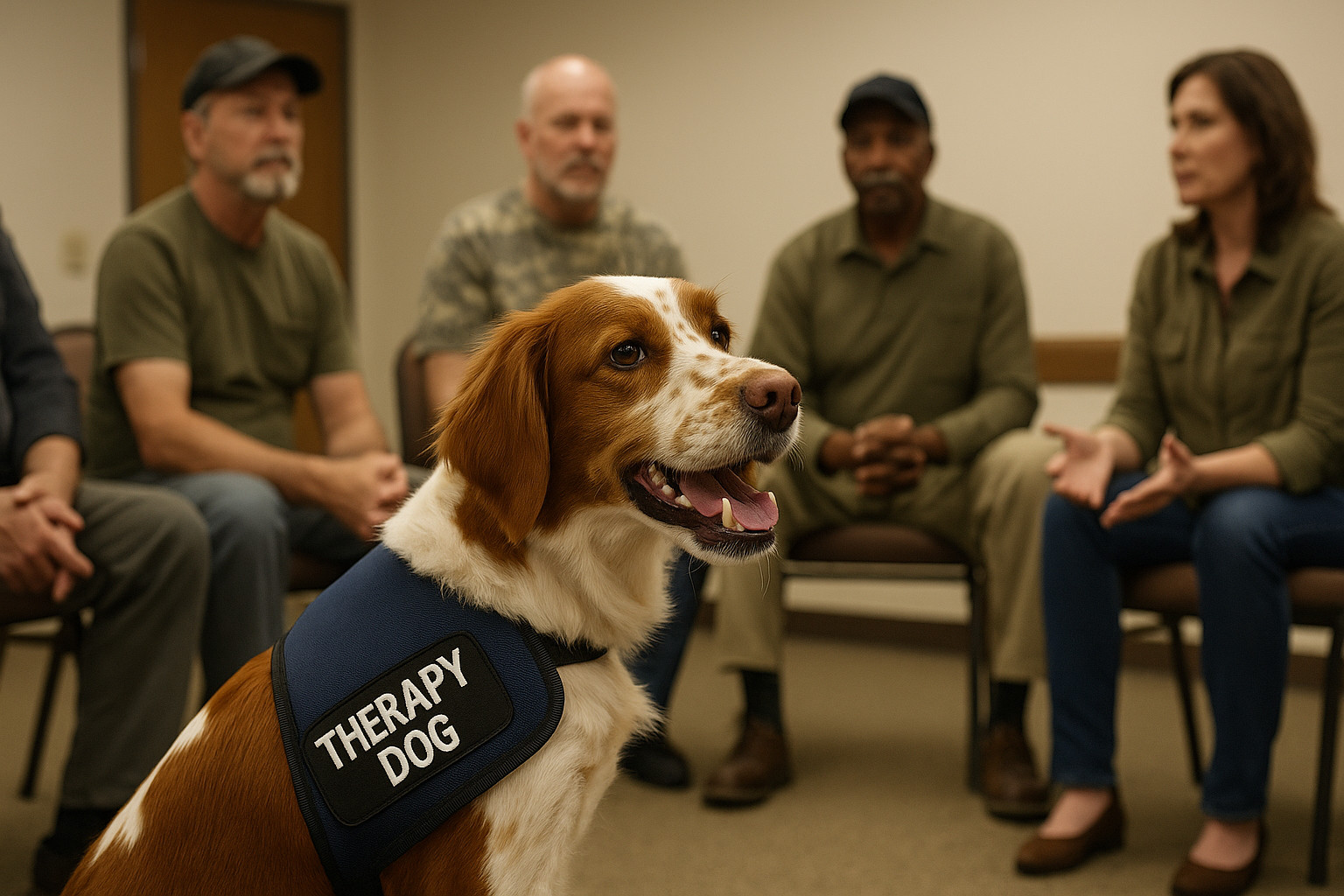
Therapy dogs play an essential role in enhancing emotional and psychological well-being for a variety of people. The Brittany, with its unique blend of qualities, can be an outstanding candidate for therapy work. Understanding their traits, needs, and capabilities can help prospective handlers harness their full potential in therapeutic settings.
Brittany as a Therapy Dog Overview
The Brittany, known for its affable nature and exuberant energy, is a breed well-suited for roles that require interaction with diverse populations. Their size, temperament, and innate empathy position them uniquely as therapy dogs, ready to offer comfort and companionship.
Understanding the Therapy Dog Role
Therapy dogs are trained to provide affection and support to individuals across numerous settings. They are not limited to hospitals or nursing homes but are increasingly found in schools, mental health facilities, and disaster areas. The Brittany's blend of sociability and emotional intelligence makes them a prime candidate for this work. They naturally connect with people, often offering a calming presence that can alleviating stress.
Physical Appearance and Energy Level
The Brittany is a medium-sized dog, weighing between 30-40 pounds, making them large enough to interact comfortably with adults but not too big for children. Their compact size allows for easy transport to various settings. Notably, their high energy level is a double-edged sword in therapy work. On one hand, their dynamism can engage and encourage physical activity in clients needing motivation. On the other hand, it requires managing to ensure that the dog can be both active and calm as needed.
Personality and Emotional Intelligence
Brittanys are known for their bright, joyful disposition and deep-seated empathy. They often mirror human emotions, adapting to the emotional climate of the room. This trait can be particularly beneficial in therapy, where a Brittany’s soothing presence might calm an agitated individual. They thrive on interaction and are capable of forging strong bonds, making them exceptional companions in therapeutic scenarios.
Environments Where Brittany Excels
The breed's adaptability allows them to excel in various environments, from the bustling corridors of hospitals to the serene surroundings of therapy centers. Brittanys perform exceptionally well in environments where their energy can be channeled positively and where they can form genuine connections with individuals, such as rehabilitation centers or children’s schools.
Common Therapy Settings
In hospitals, Brittanys can bring joy to patients, providing a reprieve from distress. Their size allows them to navigate wards comfortably, ensuring they can interact with bedridden patients. In schools, they can help anxious students focus, offering a quiet presence that encourages emotional articulation. Nursing homes also benefit from a Brittany’s friendly demeanor, as they engage with the elderly, providing companionship and combating loneliness.
Register Any Breed
Interactions with Different Populations
Brittanys are gentle yet lively, making them suitable for working with children, adults, and the elderly. They can aid in developing social skills in children, offering non-judgemental companionship. With adults, they provide stress relief, and their patient nature complements more stoic or reserved individuals like the elderly or those in recovery, presenting a playful yet calming presence.
Health and Wellness Factors
Brittanys maintain good health overall, but prospective therapy dog handlers should be mindful of certain health issues typical to the breed. Conditions such as hip dysplasia or allergies could affect performance or restrict visitation to allergen-sensitive areas. Regular vet check-ups and a balanced diet can mitigate these health concerns, ensuring a long and productive therapy dog career.
Lifespan and Common Health Issues
The Brittany has a life expectancy of 12-14 years. While generally healthy, they are susceptible to specific conditions such as epilepsy and hip dysplasia. Being proactive about health can ensure that a Brittany remains both physically and mentally capable of fulfilling their therapy roles. Regular health screenings and maintaining an appropriate exercise regimen are essential components of wellness management.
Maintenance and Care Needs
Care routines for a Brittany involve regular grooming, particularly brushing, to manage shedding and maintain health. This grooming routine can also be a therapeutic activity in itself. Furthermore, dental hygiene and nail trimming are important to prevent discomfort that could impact their ability to interact safely in therapeutic contexts.
Training and Certification Readiness
A Brittany's bright intelligence facilitates training, but it requires consistent, positive reinforcement methods. An adaptable learning style enables them to swiftly acquire necessary commands and behaviors for therapy work. Certification demands a high level of obedience and socialization, areas in which the Brittany naturally excels with correct guidance and practice.
Learning Style and Responsiveness
These dogs thrive on mental stimulation, showing responsiveness to tasks that challenge their intellect. Training sessions that incorporate fun elements can improve engagement and retention, crucial for mastering skills needed in therapy contexts. Brittanys respond well to positive, reward-based training methods, making them eager learners in the therapy domain.
Handling Social and Emotional Stimuli
Brittanys are especially adept at navigating environments with varied emotional stimuli. They can deliver comfort by adapting to the emotional needs of the individuals they are assisting. However, they need structured downtime to balance their own well-being emotionally, ensuring continuous, effective involvement in therapy tasks.
Strengths, Limitations, and Ideal Roles for Brittany
Brittanys bring significant strengths to therapy settings: their emotional intelligence, adaptability, and affectionate nature are unmatched. However, their energy level requires careful management not to overwhelm patients, demanding balance and training focusing on calmness. The ideal roles for Brittanys include settings where mobility, interaction, and emotional support are required, such as children’s therapy programs or hospital visits.
Final Thoughts
Overall, the Brittany's vibrant personality and emotional sensitivity make it a versatile choice for therapy work. Potential handlers should remain aware of the breed’s physical and psychological needs, ensuring a balanced approach that meets the demands of therapy settings while maintaining the dog’s well-being.
Key Takeaways for the Brittany as a Therapy Dog
- Best suited for: Schools, hospitals, and rehabilitation centers where interaction is key.
- Not ideal for: High-stress environments requiring absolute calm at all times.
- Temperament highlights: Friendly, emotionally intelligent, adaptive.
- Care and health notes: Requires structured exercise and regular grooming. Watch for common health issues like hip dysplasia.
- Therapy environments where they shine: Engaging with children, post-operative patients needing motivation, and elderly requiring companionship.
By aligning the Brittany's strengths with appropriate environments, handlers can maximize their impact as therapy dogs, offering a powerful source of healing and joy.


-
Public Access Kits
$149.00 Learn more This product has multiple variants. The options may be chosen on the product page -
Quick Ship Premium Vests
$48.00 – $82.00 Learn more This product has multiple variants. The options may be chosen on the product page -
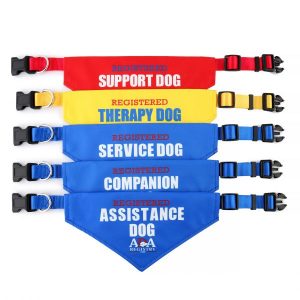
Service Dog Bandana
$39.95 Learn more This product has multiple variants. The options may be chosen on the product page
Custom ID Cards

Custom ID Cards
Custom Service Dog Tags
Official Dog Vests

Smart Vests
Official Public Access Kits
Complete Kits
USA & CANADA Letters

High Quality Bandanas
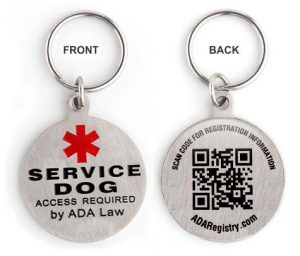
Service Dog Tags
Smart Tags

ESA TAGS