Brussels Griffon as a Therapy Dog
Register Any Breed
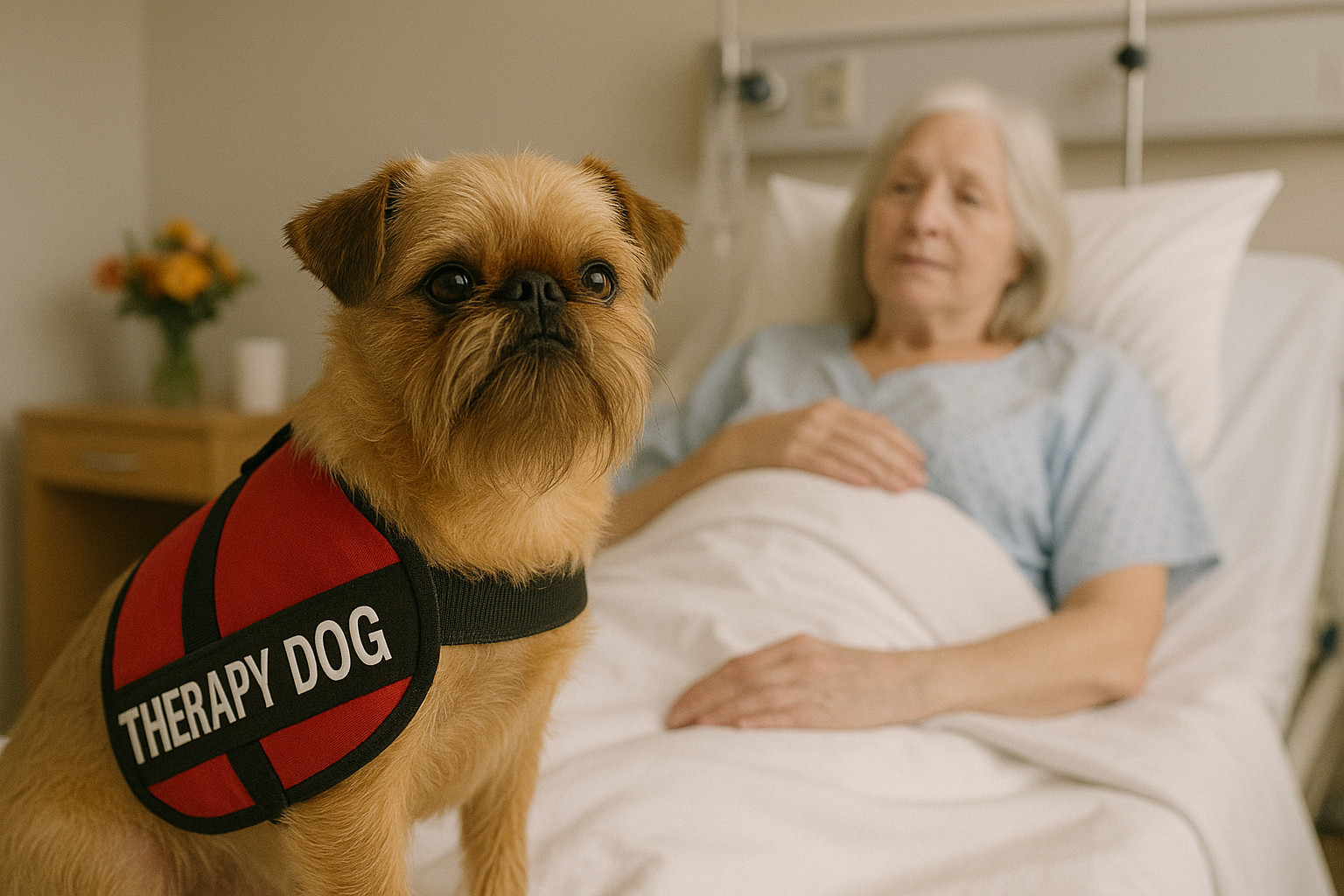
Brussels Griffon as a Therapy Dog Overview
The Brussels Griffon, with its distinctive looks and captivating personality, has emerged as an appealing breed for therapy work. Despite their small size, they embody a wealth of endearing traits that make them effective in therapeutic settings. Understanding the complexity of this breed’s characteristics is essential for anyone considering training a Brussels Griffon as a therapy dog.
Understanding the Therapy Dog Role
Therapy dogs provide emotional support and comfort to individuals in various settings. They are trained not to perform tasks like service dogs but to offer companionship and diffuse tension or stress. This requires a unique blend of intelligence, patience, and adaptive social skills, all of which the Brussels Griffon innately possesses.
Physical Appearance and Energy Level
Compact and sturdy, the Brussels Griffon is an eye-catching small breed, typically weighing around 8 to 12 pounds. Their energy level is moderate, allowing them to provide active engagement without becoming overzealous. This balance makes them suitable for environments where a calm presence is needed without overwhelming those they interact with. Their manageable size also allows easy handling, enabling them to accompany handlers into confined spaces such as hospitals and small therapy rooms.
Personality and Emotional Intelligence
Known for their expressive faces and inquisitive nature, Brussels Griffons have a playful yet intelligent demeanor. This breed is notably empathetic and has an exceptional ability to read human emotions, a key trait for therapy dogs who need to respond to emotional cues. Their inherent warmth and curiosity drive them to form deep connections, proving beneficial in establishing comfort and trust with those they aid.
Environments Where Brussels Griffon Excels
The adaptability of the Brussels Griffon makes them ideal companions in a variety of therapeutic spaces. Their small stature and gentle nature allow them to thrive in intimate environments, such as:
- Hospitals and Nursing Homes: Patients often respond positively to their presence, finding solace in their gentle demeanor.
- Schools: Particularly effective for children with anxiety or emotional challenges, their playful demeanor can uplift and engage.
- Rehabilitation Centers: They provide comfort and motivation during recovery sessions through their steady companionship.
Common Therapy Settings
Their calm demeanor and loving nature suit them well for settings such as:
- Mental Health Clinics: The comforting and non-judgmental presence of a Brussels Griffon can assist therapists in helping clients find emotional resolution.
- Elder Care Facilities: Their gentle disposition aids in reducing loneliness and promoting emotional well-being among residents.
- Educational Programs: They can serve in reading programs where children may find encouragement and confidence to read aloud without judgment.
Interactions with Different Populations
Brussels Griffons are versatile, able to form connections across various demographics:
Register Any Breed
- With Children: They are tender and tolerant, encouraging confidence and offering calming interactions.
- With Adults: They provide steadfast companionship, making them excellent allies in stress relief and emotional support.
- With the Elderly: Their gentle manner and intuitive interactions foster warmth and reduce feelings of isolation.
Health and Wellness Factors
While generally healthy, certain aspects of health need attention:
- Respiratory Health: Like many brachycephalic breeds, care must be taken during physical activity.
- Grooming Needs: Regular grooming is necessary, especially for those with longer coats, to maintain comfort and hygiene, crucial for interaction with individuals in settings like hospitals.
Lifespan and Common Health Issues
Brussels Griffons typically enjoy a lifespan of 12 to 15 years. Common health issues that potential therapy dog handlers should be aware of include:
- Hip Dysplasia: Monitoring and managing this condition can prevent discomfort during visits.
- Patellar Luxation: Regular veterinary check-ups can help keep them comfortable in their active roles.
Maintenance and Care Needs
Their maintenance requires consistent grooming and routine veterinary care to ensure they are in prime condition for their therapy work:
- Coat Care: Regular brushing, trimming, and bathing to keep them presentable.
- Health Checks: Routine veterinary visits for clean bills of health promotes their reliable service as therapy dogs.
Training and Certification Readiness
Brussels Griffons show exceptional capability in training for therapy certification:
- Intelligence: They grasp training commands quickly and respond well to structured routines.
- Patience: Essential for therapy dogs, they possess patience that facilitates repeated and consistent training efforts.
Learning Style and Responsiveness
With their eagerness to please and sharp intelligence, Brussels Griffons learn commands capably when trained with positive reinforcement. They respond eagerly to praise and rewards, making them cooperative learners that enjoy engaging with handlers during training.
Handling Social and Emotional Stimuli
Their heightened sensitivity enables them to smoothly navigate various social settings, reducing stress through their comforting presence:
- Adaptability: Quick to read emotional cues and adjust their behavior accordingly.
- Empathy: Exhibits a profound ability to sense and respond to emotional distress, promoting calmness.
Strengths, Limitations, and Ideal Roles for Brussels Griffon
The Brussels Griffon showcases distinct capabilities that redefine them as exceptional therapy dogs:
- Strengths: Exudes calmness, offers warm companionship, and adapts comfortably to diverse settings.
- Limitations: Potential respiratory issues mean heavy physical tasks are unsuitable.
- Ideal Roles: Performing as comforting companions in calm environments like hospitals and therapy settings due to their peaceful nature and empathy.
Final Thoughts
The Brussels Griffon is a remarkable breed for therapy work, shining luminously with their fusion of intelligence, empathy, and tenderness. Their suitability for diverse therapeutic environments makes them a cherished companion for those they serve, while their charm brings joy and warmth in every interaction.
Key Takeaways for the Brussels Griffon as a Therapy Dog
- Best suited for: Hospitals, schools, elder care, and mental health clinics
- Not ideal for: High-activity assistance tasks
- Temperament highlights: Empathetic, intelligent, patient
- Care and health notes: Regular grooming and health monitoring crucial
- Therapy environments where they shine: Any setting requiring gentle, comforting presence, notably small, calm environments
This expert evaluation reveals the innate potential of the Brussels Griffon as a therapy dog, offering a nurturing presence in emotional and clinical settings, both profoundly enhancing therapeutic experiences for those they engage with.


-
Public Access Kits
$149.00 Learn more This product has multiple variants. The options may be chosen on the product page -
Quick Ship Premium Vests
$48.00 – $82.00 Learn more This product has multiple variants. The options may be chosen on the product page -
Service Dog Bandana
$39.95 Learn more This product has multiple variants. The options may be chosen on the product page
Custom ID Cards

Custom ID Cards
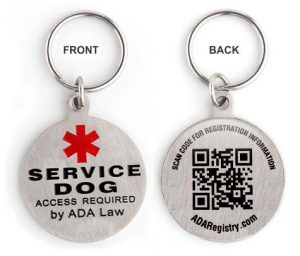
Custom Service Dog Tags
Official Dog Vests

Smart Vests
Official Public Access Kits

Complete Kits
USA & CANADA Letters

High Quality Bandanas
Service Dog Tags
Smart Tags

ESA TAGS