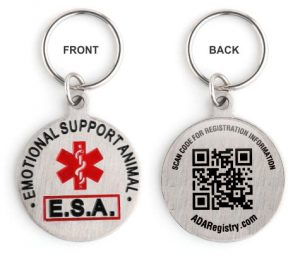
Bulldog as a Therapy Dog

Register Any Breed
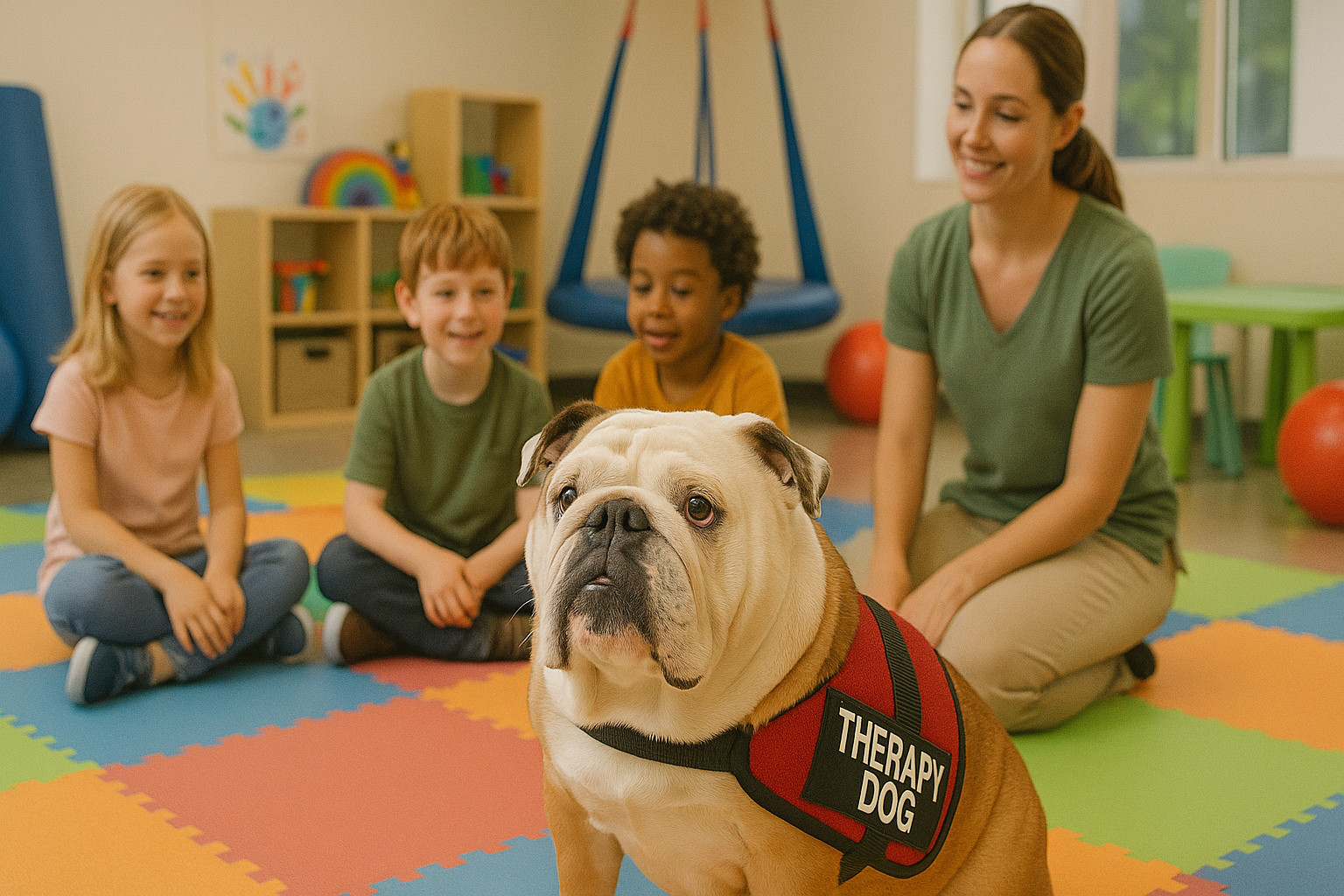
Bulldog as a Therapy Dog Overview
Bulldogs, characterized by their sturdy build and characteristic wrinkled face, offer a unique charm that makes them well-suited for therapy roles. Their calming presence, coupled with a gentle demeanor, often puts people at ease, contributing to the success of therapy programs. This article explores the Bulldog’s temperament, physical attributes, and other relevant factors to assess their suitability as therapy dogs.
Understanding the Therapy Dog Role
Therapy dogs are instrumental in providing emotional support and comfort to individuals in various settings. Unlike service dogs, which perform specific tasks for individuals with disabilities, therapy dogs offer generalized support. Bulldogs can excel in this role due to their friendly nature and ability to form connections with people easily. Their capacity to provide unconditional affection is a cornerstone of their effectiveness in therapy.
Physical Appearance and Energy Level
Bulldogs are medium-sized dogs with a muscular build, weighing between 40-50 pounds. Their low energy levels make them perfect for settings requiring a calm and relaxed demeanor, such as hospitals and nursing homes. Their physical presence is non-threatening and inviting, encouraging interaction from those who might be intimidated by larger, more energetic breeds.
- Low energy level: Ideal for environments where a calm demeanor is crucial.
- Sturdy build: Provides stability when interacting with individuals needing physical contact for reassurance.
Personality and Emotional Intelligence
Bulldogs possess a natural patience and calmness, making them excellent therapy dogs. Their emotional intelligence allows them to sense the emotional states of those they interact with, adjusting their behavior accordingly. This quality is vital for providing comfort and companionship, especially in stressful environments.
- Patience and Calmness: Excellent for maintaining a peaceful therapy environment.
- Emotional intelligence: Enables Bulldogs to respond appropriately to emotional cues.
Environments Where Bulldog Excels
Bulldogs thrive in settings where they can offer their quiet presence without overwhelming those they aim to help. They are particularly well-suited to environments where space is limited, and a gentle approach is necessary.
- Hospitals and nursing homes: Their calm nature and comforting presence make them ideal companions for patients in recovery.
- Schools and libraries: Bulldogs’ relaxed demeanor helps create a soothing atmosphere conducive to learning.
Common Therapy Settings
In therapy settings, Bulldogs are often found in:
- Rehabilitation centers: Their ability to offer non-judgmental support aids in the emotional and physical recovery of patients.
- Veteran facilities: Bulldogs provide companionship to individuals dealing with anxiety and PTSD.
- Community centers: They are often involved in group therapy sessions, where their presence helps to alleviate stress and encourage communication among participants.
Interactions with Different Populations
Bulldogs are versatile in their interactions, capable of forming bonds with people of all ages, from children to the elderly. Their gentle disposition allows them to work effectively with vulnerable populations, such as individuals with autism or those undergoing grief therapy.
Register Any Breed
- Children: Bulldogs are tolerant and can be trusted to interact gently with children, providing comfort and stability.
- Elderly individuals: Their calm and steady temperament makes them ideal companions for seniors, offering comfort and reducing feelings of loneliness.
Health and Wellness Factors
The health and wellness of a therapy dog are crucial for their effectiveness. Bulldogs have specific health considerations, primarily related to their brachycephalic (short-muzzled) facial structure. This can lead to breathing difficulties, particularly in hot or humid environments.
- Breathing issues: Must be monitored to prevent overexertion during therapy sessions.
- Regular health check-ups: Essential to ensure their physical ability to participate in therapy activities.
Lifespan and Common Health Issues
Bulldogs have an average lifespan of 8-10 years. Their health can be impacted by issues such as hip dysplasia, skin problems, and respiratory conditions. Awareness and management of these conditions are vital for maintaining their health and effectiveness as therapy dogs.
- Routine veterinary care: Important for managing chronic health issues and ensuring the Bulldog’s comfort and capability in therapy settings.
Maintenance and Care Needs
Proper grooming and care contribute significantly to a Bulldog’s readiness and effectiveness as a therapy dog. Regular grooming is necessary to keep their skin folds clean and prevent infections. Additionally, maintaining a healthy weight is crucial to support their physical health.
- Routine grooming: Ensures their coat is clean and skin is healthy.
- Balanced diet and exercise: Helps maintain optimal weight and physical well-being.
Training and Certification Readiness
Bulldogs are generally eager to please, which aids in their training for therapy roles. However, patience is required, as they can be stubborn. Positive reinforcement methods work best to enhance their learning process.
- Positive reinforcement: Highly effective in training Bulldogs for therapy certification.
- Consistency in training: Essential to overcome stubborn tendencies.
Learning Style and Responsiveness
Bulldogs respond well to gentle, consistent training methods. While naturally stubborn, they are also highly motivated by rewards and praise, making the training process enjoyable for both the dog and the handler.
- Reward-based systems: Promote enthusiastic participation and quick learning.
- Gentle correction: Necessary to maintain focus without causing stress.
Handling Social and Emotional Stimuli
Bulldogs have a strong affinity for human contact and affection, allowing them to handle social and emotional stimuli effectively. Their intuitive responses to emotional states make them capable of recognizing and comforting distressed individuals—a crucial skill for therapy work.
- Sensitivity to emotions: Facilitates their ability to provide comfort and reassurance.
- Calm reactions to stimuli: Ensures they remain supportive without becoming overwhelmed.
Strengths, Limitations, and Ideal Roles for Bulldog
Bulldogs’ strengths lie in their affectionate nature, intuitive emotional responses, and calming presence. However, limitations include potential health concerns that may restrict their ability to participate in long therapy sessions or in hot environments.
- Strengths: Affection, emotional intelligence, and calm demeanor.
- Limitations: Susceptibility to health issues related to their facial structure.
- Ideal roles: Companion roles in quieter, more controlled environments such as rehabilitation centers and hospitals.
Final Thoughts
The Bulldog, with its gentle and patient nature, can make an excellent therapy dog for a variety of settings. Their ability to provide comfort and emotional support plays a crucial role in the therapeutic process for many individuals. Proper care, regular health assessments, and patient training are essential to leveraging their full potential as therapy animals.
Key Takeaways for the Bulldog as a Therapy Dog
- Best suited for: Hospitals, rehabilitation centers, nursing homes, and schools.
- Not ideal for: High-energy environments or settings requiring prolonged physical activity.
- Temperament highlights: Affectionate, calm, patient, and emotionally intelligent.
- Care and health notes: Requires regular grooming and monitoring of health issues due to their brachycephalic structure.
- Therapy environments where they shine: Quiet, controlled settings where their gentle nature and soothing presence can offer the most benefit.


-
Public Access Kits
$149.00 Learn more This product has multiple variants. The options may be chosen on the product page -
Quick Ship Premium Vests
$48.00 – $82.00 Learn more This product has multiple variants. The options may be chosen on the product page -
Service Dog Bandana
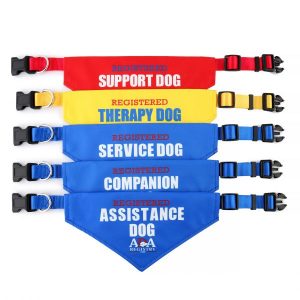
$39.95 Learn more This product has multiple variants. The options may be chosen on the product page

Custom ID Cards

Custom ID Cards
Custom Service Dog Tags
Official Dog Vests
Smart Vests
Official Public Access Kits
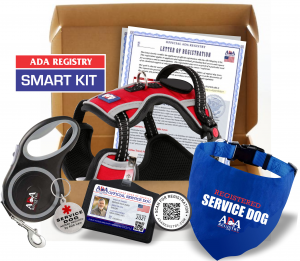
Complete Kits
USA & CANADA Letters

High Quality Bandanas
Service Dog Tags
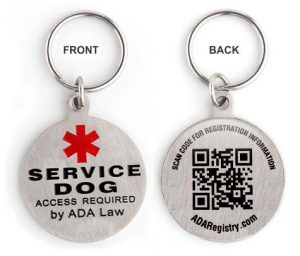
Smart Tags

ESA TAGS