Canaan Dog as a Therapy Dog
Register Any Breed
Canaan Dog as a Therapy Dog Overview
The Canaan Dog, with its striking appearance and ancient lineage, isn’t just a symbol of resilience and capability—they also possess qualities that make them suitable candidates for therapy dog roles. Equipped with a blend of intelligence, adaptability, and a keen sense of awareness, Canaan Dogs have the potential to excel in diverse therapeutic environments. This article explores how this breed’s unique traits can contribute to their success as therapy dogs, delving into behavioral and physical characteristics, suitable therapy environments, and training considerations.
Understanding the Therapy Dog Role
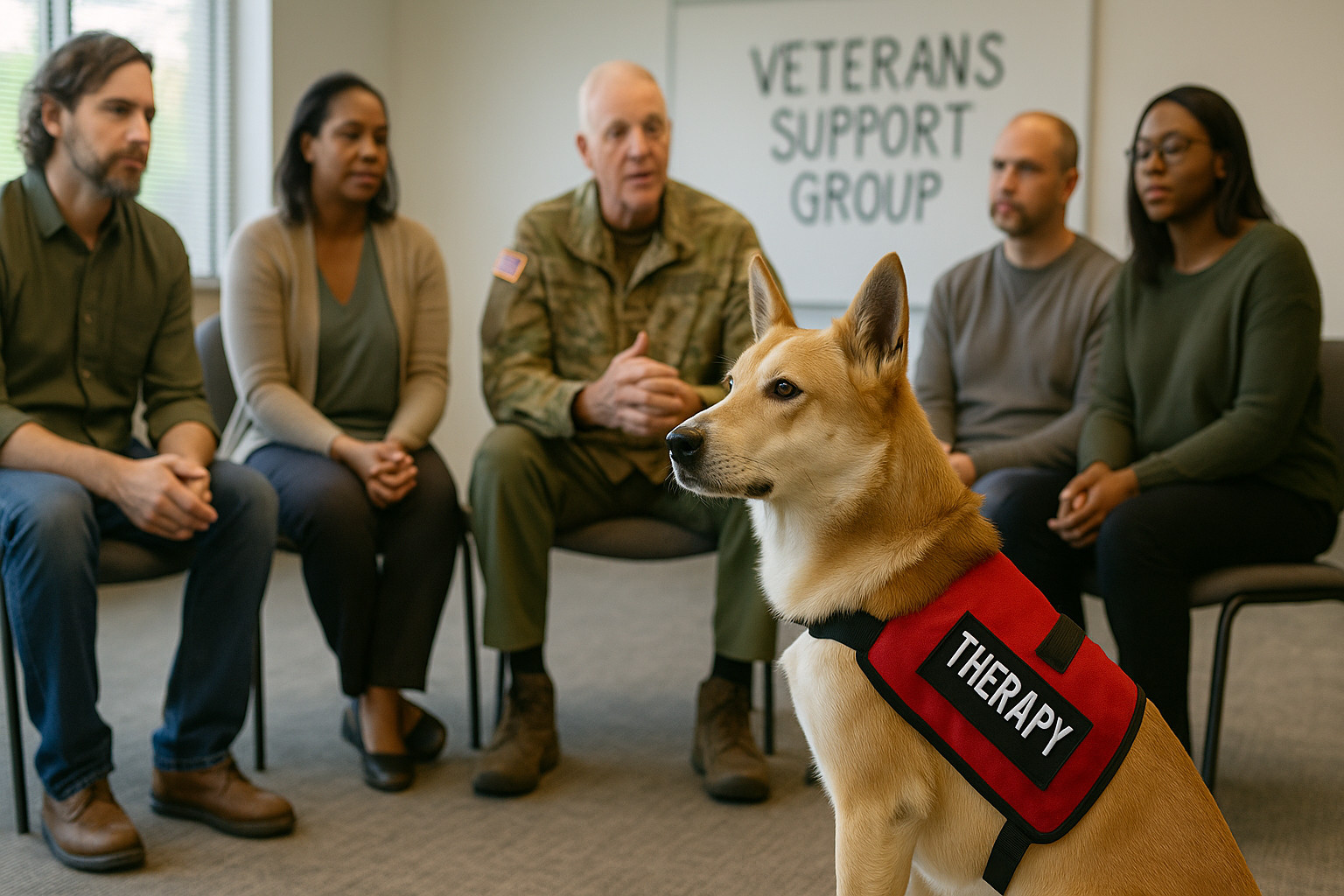
Therapy dogs are trained to provide comfort, emotional support, and affection in various settings, often working alongside healthcare professionals to benefit individuals facing physical, emotional, or mental challenges. The role requires a dog to possess a stable temperament, tolerance for different situations, and the ability to interact positively with a diverse range of people, from children to the elderly.
Physical Appearance and Energy Level
The Canaan Dog possesses a medium-sized, athletic build, which allows for easy mobility in various settings. Their physical presence is both reassuring and comforting, without being overwhelming. Their high energy level, combined with an innate alertness, ensures they remain engaged and interactive throughout therapy sessions. This energy also means they need regular exercise to maintain calmness during their work. Daily walks and supervised play sessions help channel their energy positively, ensuring readiness to perform their therapeutic duties effectively.
Personality and Emotional Intelligence
While Canaan Dogs are known for their independence, they are also affectionate and bond strongly with their handlers. This breed displays significant emotional intelligence, allowing them to sense and respond to human emotions adeptly. Their natural vigilance helps them pick up on subtle cues, making them responsive to the emotional needs of individuals they interact with. Their empathy and sensitivity are particularly beneficial in therapeutic settings, providing comfort and connection to those in need.
Environments Where Canaan Dog Excels
Thanks to their adaptable nature and calm demeanor, Canaan Dogs excel in environments such as hospitals, nursing homes, and schools. Their presence can bring tranquility and joy to people in recovery settings, fostering a sense of normalcy and warmth. The quiet assurance they offer helps create a therapeutic atmosphere conducive to healing. Additionally, their moderate size means they can fit comfortably in more compact settings, making them versatile partners for therapy.
Common Therapy Settings
- Hospitals and Healthcare Facilities: Their composed and soothing presence helps patients with anxiety and stress relief.
- Schools: Offering emotional support to students, especially in programs addressing social and emotional learning.
- Rehabilitation Centers: Helping individuals recovering from physical injuries or surgeries.
- Elderly Care Facilities: Providing companionship and bringing back memories with their gentle demeanor.
Interactions with Different Populations
The Canaan Dog’s friendly nature and responsiveness make them adept at interacting with various populations, including children, adults, and seniors. They engage well with children by being playful and adaptable while maintaining gentleness and patience with the elderly. This versatility enables them to forge meaningful connections, offering solace and emotional bonding. Their ability to adjust their demeanor based on the individual’s needs is a testament to their intuitive understanding of human behavior.
Health and Wellness Factors
Canaan Dogs are generally healthy and robust, capable of participating in regular therapy sessions without frequent health concerns. However, regular check-ups and a balanced diet are crucial to prevent potential health issues. Common ailments such as hip dysplasia or hypothyroidism, although rare, should be monitored. Their short, dense coat requires minimal grooming, which is beneficial in maintaining hygiene and ensuring a pleasant presence during therapy visits.
Register Any Breed
Lifespan and Common Health Issues
Canaan Dogs have a lifespan of approximately 12 to 15 years, allowing for extended periods of service as therapy dogs. Their resilience to common canine ailments means they can consistently participate in therapy settings with little downtime due to illness. Potential health issues include:
- Hip Dysplasia: Regular vet checks can help detect and manage early signs.
- Eye Conditions: Keeping up with routine veterinarian ophthalmologic exams ensures any issues are promptly addressed.
- Allergies: Monitoring diet and environment to avoid allergens can prevent discomfort.
Maintenance and Care Needs
Their grooming requirements are relatively low, with brushing once a week sufficient to maintain their coat. Regular dental hygiene, ear cleaning, and nail trimming are recommended to keep them in top condition. Regular exercise aids in maintaining their physical and mental well-being, ensuring they remain focused and calm during therapy sessions.
Training and Certification Readiness
Training Canaan Dogs for therapy work begins with basic obedience, followed by socialization training to familiarize them with diverse environments and populations. Their intelligence and eagerness to please make them responsive to training, though consistency and patience are key. Enrolling them in a recognized therapy dog certification program ensures they meet the standards necessary for their role, including passing temperament tests and supervised visits.
Learning Style and Responsiveness
Canaan Dogs are intelligent and learn quickly, responding well to positive reinforcement techniques such as treats and praise. Their independent streak requires training to be engaging and motivating to hold their interest. Despite this, once they understand the task’s importance, their loyalty and dedication make them reliable therapy dogs.
Handling Social and Emotional Stimuli
Exposing Canaan Dogs to a wide range of social and environmental stimuli during training helps them become well-adjusted therapy dogs. They learn to remain calm in the face of loud noises, unfamiliar people, and medical equipment, handling these potential stressors with ease. Their ability to maintain composure under varied circumstances ensures they provide consistent support.
Strengths, Limitations, and Ideal Roles for Canaan Dog
- Strengths: Empathy, intelligence, adaptability, and resilience.
- Limitations: Independent nature may require patient training approaches.
- Ideal Roles: Emotional support in healthcare, educational settings, and elderly care facilities.
Final Thoughts
The Canaan Dog’s unique qualities make them strong contenders for therapy work. Their blend of intelligence, empathy, and adaptability positions them as supportive companions for those in need of comfort and connection. While training and patience are necessary to harness their full potential, the Canaan Dog’s dedication and capability ensure they can thrive in this important role, positively impacting the lives they touch.
Key Takeaways for the Canaan Dog as a Therapy Dog
- Best suited for: Hospitals, schools, and elderly care facilities.
- Not ideal for: Environments requiring overly intensive grooming or low activity tolerance.
- Temperament highlights: Empathetic, intelligent, adaptable.
- Care and health notes: Minimal grooming, regular health checks.
- Therapy environments where they shine: Emotional support in diverse community settings.


-
Public Access Kits
$149.00 Learn more This product has multiple variants. The options may be chosen on the product page -
Quick Ship Premium Vests
$48.00 – $82.00 Learn more This product has multiple variants. The options may be chosen on the product page -
Service Dog Bandana
$39.95 Learn more This product has multiple variants. The options may be chosen on the product page
Custom ID Cards

Custom ID Cards
Custom Service Dog Tags
Official Dog Vests
Smart Vests
Official Public Access Kits
Complete Kits
USA & CANADA Letters

High Quality Bandanas
Service Dog Tags
Smart Tags

ESA TAGS