Cane Corso as a Therapy Dog
Register Any Breed
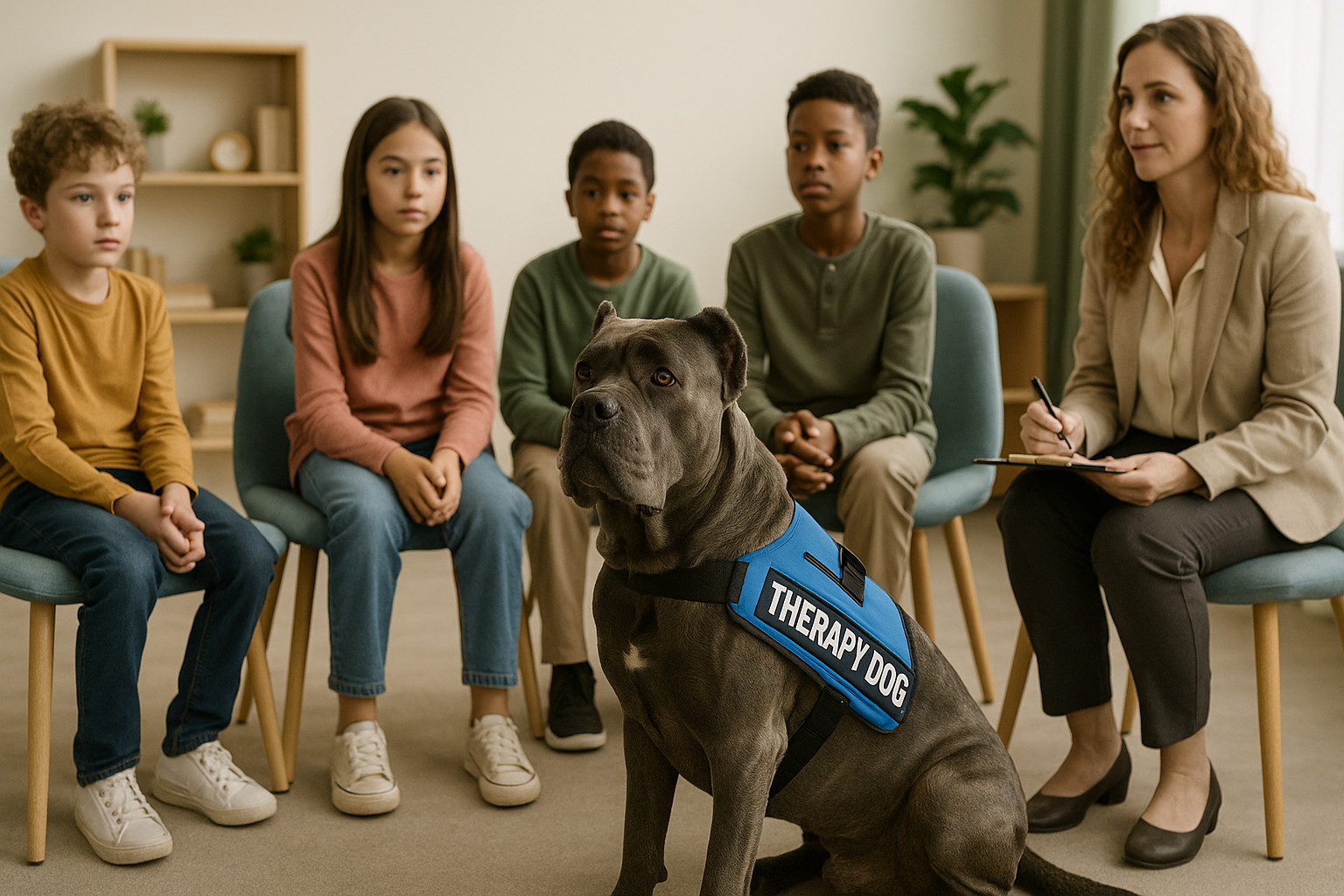
The Cane Corso, a majestic and powerful breed known for its protective instincts and muscular build, may not be the first breed that comes to mind when considering potential therapy dogs. However, these gentle giants can excel in therapy roles when properly trained and matched to suitable environments. This article explores the attributes that make the Cane Corso a compelling, albeit unconventional, candidate for therapy dog work.
Cane Corso as a Therapy Dog Overview
A therapy dog provides comfort and emotional support to people in various settings, helping to alleviate stress and uplift spirits. While the Cane Corso is traditionally seen as a protective guard dog, its gentle nature and deep bonds with humans make it a candidate for this kind of work.
Understanding the Therapy Dog Role
Therapy dogs are specially trained to provide emotional and psychological support through their calming presence. They visit hospitals, schools, nursing homes, and other community settings to interact with individuals or groups, aiding in stress reduction and social engagement. An ideal therapy dog exhibits calmness, empathy, and adaptability, traits that, with training, a Cane Corso can develop.
Physical Appearance and Energy Level
The Cane Corso's imposing stature and regal appearance can initially seem intimidating; however, these traits can also be assets in therapy settings where their strong presence can impart a sense of protection and steadiness. Despite their size, Cane Corsos are generally low-energy dogs that enjoy lounging and are content to sit quietly by a person's side, a key aspect in therapy roles.
Personality and Emotional Intelligence
Known for their loyalty and attachment to family members, Cane Corsos exhibit a profound emotional depth. Their intuition allows them to pick up on human emotions, often displaying concern and empathy for their handler's mood and those they assist in a therapy setting. Their loyalty fuels their patience and reliability, which are crucial for working in environments that require consistent, controlled behavior.
Environments Where Cane Corso Excels
Common Therapy Settings
Cane Corsos can be excellent therapy dogs in settings where a calm and comforting presence is needed. They adapt well to environments such as:
- Hospitals: Offering emotional support in patient recovery rooms.
- Schools: Helping children in special education programs.
- Rehabilitation centers: Providing comfort and motivation to people recovering from surgeries or injuries.
- Nursing homes: Engaging with elderly residents, offering companionship and reducing loneliness.
Interactions with Different Populations
Cane Corsos possess a natural affinity for building connections with varied populations. Their gentle nature and ability to remain composed in varied situations enhance interactions with children, seniors, and individuals with emotional or psychological challenges. Their size can provide a sense of security for adults and children alike, making them ideal for programs focusing on building confidence and trust.
Register Any Breed
Health and Wellness Factors
Lifespan and Common Health Issues
Typically living between 10 to 12 years, Cane Corsos require regular health check-ups to maintain their role as effective therapy dogs. They are prone to certain health issues, such as hip dysplasia and eye problems, which might limit their ability to perform therapy work if not managed properly. A well-cared-for Cane Corso can remain an active and healthy therapy dog well into its senior years.
Maintenance and Care Needs
Grooming and care are vital to ensuring a Cane Corso can comfortably participate in therapy activities. Their short coat requires regular brushing, and attention should be paid to their dental health, nail trimming, and ear cleaning. Maintaining their health is crucial for accessing various therapy environments, ensuring their presence is always inviting and hygienic.
Training and Certification Readiness
Learning Style and Responsiveness
Cane Corsos are naturally intelligent and eager to please, making them responsive to training. However, their independent nature necessitates a firm, consistent, and positive training approach. Engaging them in task-based training, which plays into their protective instincts, can enhance their efficacy in therapy roles. Their ability to quickly learn routines and commands aids in achieving certification and excelling in therapy environments.
Handling Social and Emotional Stimuli
In therapy work, the ability to handle social and emotional stimuli with poise is essential. Cane Corsos often demonstrate a calm demeanor in chaotic environments, their patience and restraint allowing them to soothe individuals experiencing distress. Whether sitting quietly with a child having a difficult day or providing reassurances to patients during rehabilitation activities, their presence can be profoundly grounding.
Strengths, Limitations, and Ideal Roles for Cane Corso
While Cane Corsos possess many of the qualities valued in therapy dogs, they do have limitations. Their size may not be suited for settings that require the dog to be constantly on the move or in spaces with restricted movement. Additionally, their strong protective instinct, if not properly managed, can be a hindrance in environments requiring immediate adaptability to diverse human interactions. Their strengths lie in settings that allow for stationary emotional support, such as hospital rooms or therapy sessions, where their comforting presence can shine.
Final Thoughts
In summarizing the Cane Corso's potential as a therapy dog, it's essential to acknowledge their combination of strength, temperament, and emotional intelligence. When trained appropriately and matched with the right environment, a Cane Corso can provide meaningful contributions to therapy work, utilizing its unique attributes for the benefit of many.
Key Takeaways for the Cane Corso as a Therapy Dog
- Best suited for: Hospital rooms, rehabilitation centers, nursing homes.
- Not ideal for: Highly active or unconfined public spaces with overwhelming stimulation.
- Temperament highlights: Loyal, intuitive, calm, and emotionally intelligent.
- Care and health notes: Require regular grooming and health check-ups for joint and eye care.
- Therapy environments where they shine: Settings where a strong, comforting presence can provide emotional support and security.
By understanding the suitable environments and tailoring training techniques to strengthen their potential as therapy dogs, the Cane Corso can indeed become an effective source of emotional support and healing companionship.


-
Public Access Kits
$149.00 Learn more This product has multiple variants. The options may be chosen on the product page -
Quick Ship Premium Vests
$48.00 – $82.00 Learn more This product has multiple variants. The options may be chosen on the product page -
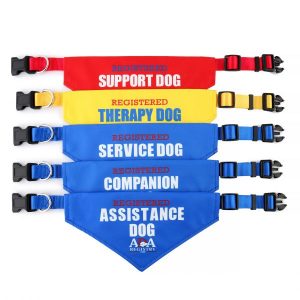
Service Dog Bandana
$39.95 Learn more This product has multiple variants. The options may be chosen on the product page
Custom ID Cards

Custom ID Cards
Custom Service Dog Tags
Official Dog Vests

Smart Vests
Official Public Access Kits
Complete Kits
USA & CANADA Letters

High Quality Bandanas
Service Dog Tags
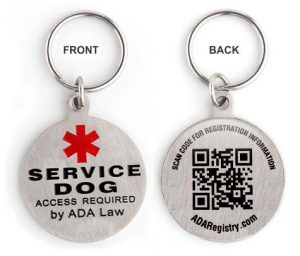
Smart Tags

ESA TAGS