Chinook as a Therapy Dog

Register Any Breed
Chinook as a Therapy Dog Overview
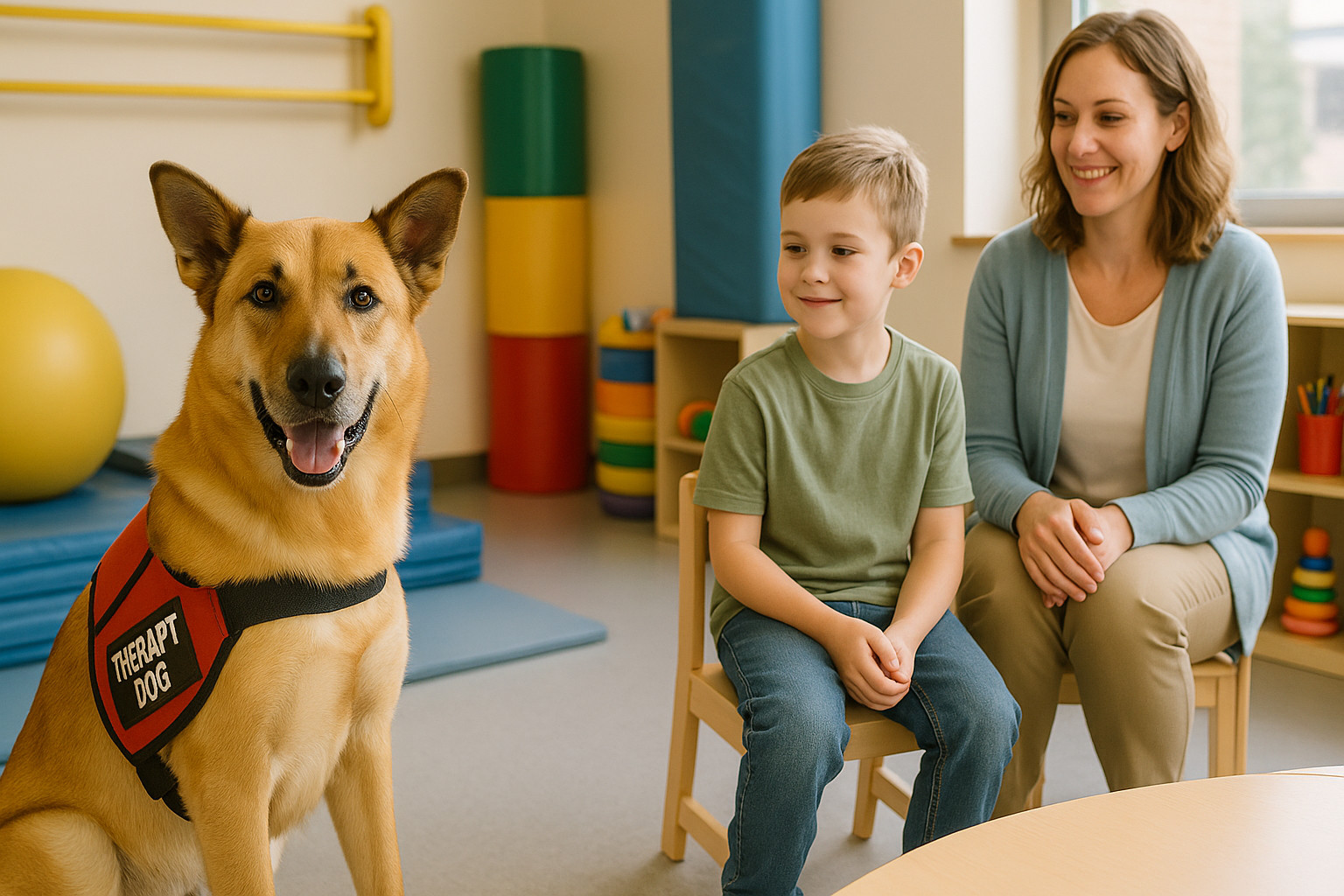
The Chinook, originally bred for sledding, has evolved into a versatile and affectionate breed, making it a promising candidate for therapy dog roles. Known for their gentle disposition and loyalty, Chinooks exhibit qualities that align well with the needs of therapy settings. This article delves into why the Chinook excels as a therapy dog, considering their temperament, adaptability, and specific traits that enhance or limit their effectiveness in various environments.
Understanding the Therapy Dog Role
Therapy dogs are trained to provide comfort, emotional support, and companionship to individuals in hospitals, schools, nursing homes, and rehabilitation centers. Unlike service dogs, which perform specific tasks for their handlers, therapy dogs work with various people, offering emotional and psychological benefits. The goal is to create a calming environment and foster positive interaction, reducing stress and improving mental health.
Physical Appearance and Energy Level
The Chinook is a medium-to-large dog with a muscular build, reflecting its heritage as a working breed. Their physical appearance is not only attractive, but their well-proportioned body exudes strength and vitality without intimidation. Chinooks have a moderate energy level, making them well-suited for both active therapy sessions and quieter environments where calm is needed. They enjoy physical activity, which can help engage patients in rehabilitation or exercise-based therapy.
Personality and Emotional Intelligence
Chinooks are known for their pleasant temperament and exceptional emotional intelligence. These dogs thrive on human interaction and exhibit a strong bond with people, making them ideal for therapy work. Their empathetic nature allows them to intuitively respond to the emotions of individuals they work with, providing comfort and reassurance. This sensitivity enables Chinooks to adapt to varying emotional climates and tailor their interactions to the specific needs of each person.
Environments Where Chinook Excels
Due to their adaptable and friendly nature, Chinooks excel in numerous therapeutic environments. They perform well in settings such as:
- Hospitals: Providing comfort to patients and families.
- Schools: Assisting in learning and social development programs for children.
- Rehabilitation Centers: Supporting physical therapy and recovery processes with interactive exercises.
- Nursing Homes: Offering companionship and sparking joy among elderly residents.
Common Therapy Settings
Chinooks thrive in environments that value calmness and interaction. In hospitals, they can alleviate anxiety among patients undergoing medical treatments. In educational settings, they can help children improve reading skills through encouragement and presence. Their familiar, gentle demeanor makes them suitable for elderly care, where they can engage in activities that promote mental and physical stimulation.
Interactions with Different Populations
The Chinook’s adaptable nature allows it to interact effectively with diverse populations. Children often find their friendly disposition comforting, while their patience makes them excellent companions for the elderly. Chinooks are also beneficial for individuals with mental health issues, as their calming presence can help reduce stress and improve emotional well-being.
Register Any Breed
Health and Wellness Factors
Understanding the health and wellness needs of a Chinook is essential for maintaining them as effective therapy dogs. Generally, Chinooks are robust, but potential health issues, such as hip dysplasia or eye problems, should be monitored. Regular veterinary check-ups and a balanced diet are crucial to ensure longevity and health, which are essential for consistent therapy work.
Lifespan and Common Health Issues
Chinooks typically have a lifespan of 12–15 years. Some health concerns that may arise include orthopedic issues or certain genetic conditions. Regular health screenings and preventive care can help manage these potential problems, ensuring the Chinook remains a happy, healthy therapy companion throughout its life.
Maintenance and Care Needs
Chinooks require moderate grooming to maintain their coat and overall well-being. Regular brushing helps minimize shedding and keeps their coat clean and healthy. Their care routine also includes attention to dental hygiene, regular exercise, and mental stimulation. A well-cared-for Chinook is more likely to be successful in therapy roles, maintaining the energy and health required to meet the demands of various settings.
Training and Certification Readiness
Chinooks are intelligent and eager to please, characteristics that facilitate their training for therapy roles. They respond well to positive reinforcement and consistency in training, making them quick learners. When preparing a Chinook for therapy certification, focus on:
- Basic obedience training.
- Socialization with various people and environments.
- Specific tasks, such as command recognition and staying calm in different settings.
Learning Style and Responsiveness
Chinooks are known for their trainability and responsiveness to commands. Their learning style tends to be cooperative, making them suitable for structured training programs. They are highly responsive to their handler's guidance and can quickly adjust to new instructions or changes in their routine, which is valuable for therapy work where adaptability is crucial.
Handling Social and Emotional Stimuli
Chinooks possess a natural ability to handle social and emotional stimuli with grace. This capability is rooted in their perceptive nature and desire to connect with humans. They can sense emotional changes and offer support or comfort, highlighting their suitability for environments where emotional stimuli are prevalent. Regular exposure to various social settings during training helps them manage these stimuli effectively.
Strengths, Limitations, and Ideal Roles for Chinook
Strengths:
- Empathetic and emotionally intelligent
- Adaptable to diverse environments and populations
- Strong bond with humans, fostering meaningful interactions
Limitations:
- Potential for health issues if not monitored
- Requires regular exercise and mental engagement
- Needs consistent grooming to maintain coat health
Ideal Roles:
- Providing comfort and companionship in hospitals and elder care
- Supporting educational development in schools
- Engaging and motivating individuals in rehabilitation programs
Final Thoughts
The Chinook is a breed with immense potential in the field of therapy dog work. Their natural empathy and adaptability make them an excellent choice for providing emotional support and companionship to a wide range of individuals. By understanding their strengths and care needs, one can successfully integrate Chinooks into therapeutic settings where they can make a significant impact.
Key Takeaways for the Chinook as a Therapy Dog
- Best suited for: Hospitals, schools, rehabilitation centers, and nursing homes.
- Not ideal for: High-security environments requiring specific service tasks.
- Temperament highlights: Empathetic, adaptable, and friendly.
- Care and health notes: Regular grooming and health monitoring are essential.
- Therapy environments where they shine: Comfortable in diverse, human-focused settings where calm and emotional support are needed.


-
Public Access Kits
$149.00 Learn more This product has multiple variants. The options may be chosen on the product page -
Quick Ship Premium Vests
$48.00 – $82.00 Learn more This product has multiple variants. The options may be chosen on the product page -
Service Dog Bandana
$39.95 Learn more This product has multiple variants. The options may be chosen on the product page

Custom ID Cards

Custom ID Cards
Custom Service Dog Tags

Official Dog Vests

Smart Vests
Official Public Access Kits
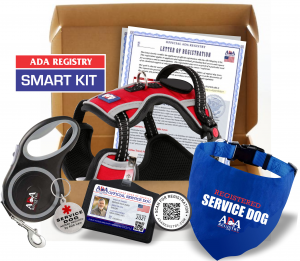
Complete Kits
USA & CANADA Letters

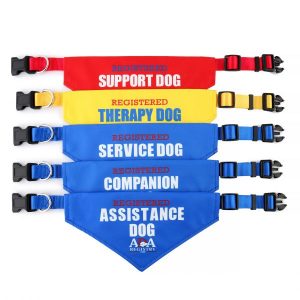
High Quality Bandanas
Service Dog Tags
Smart Tags

ESA TAGS