Cocker Spaniel as a Therapy Dog
Register Any Breed
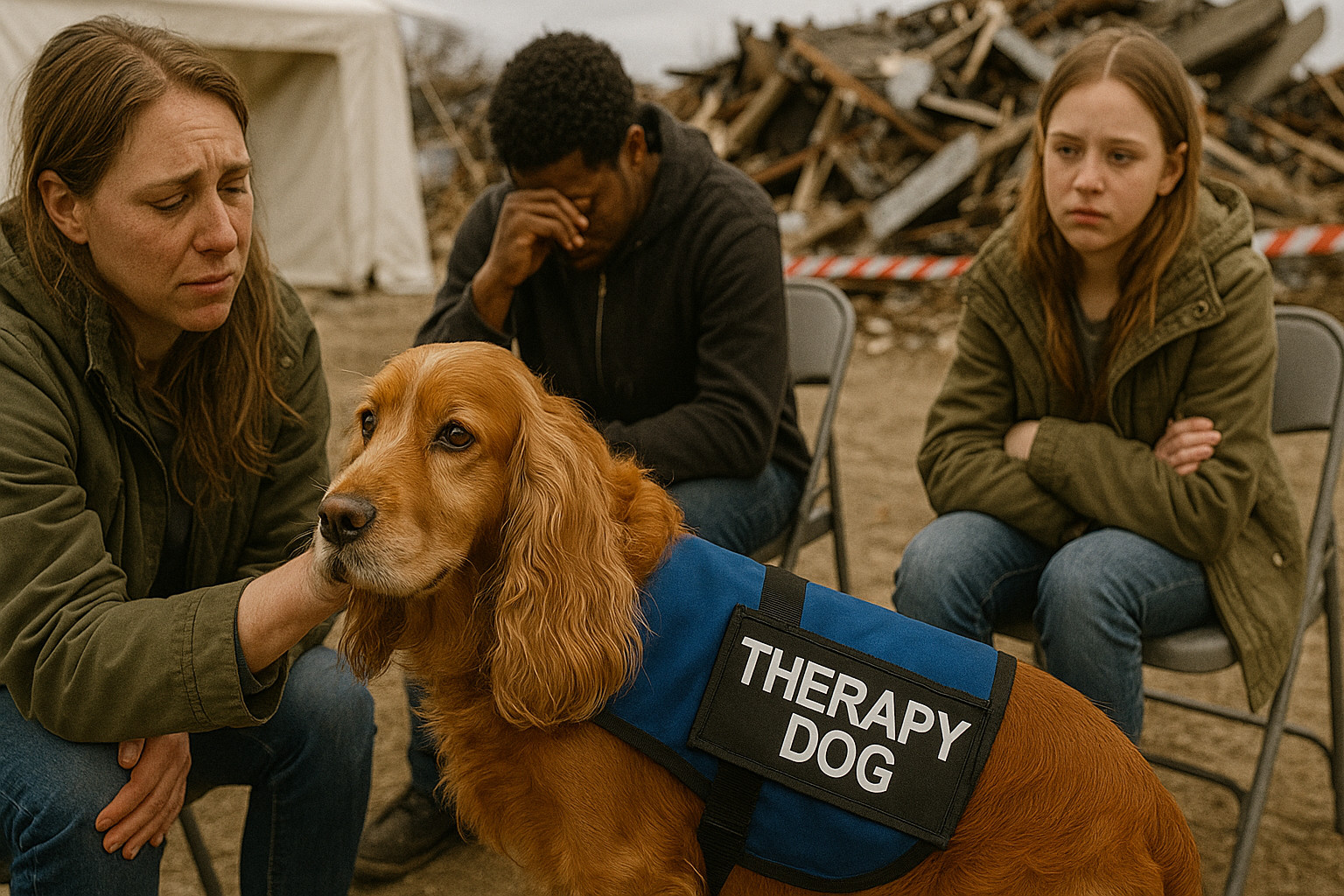
Cocker Spaniel as a Therapy Dog Overview
Cocker Spaniels are often celebrated for their affable nature and adorable, expressive faces. These dogs have long been popular as family pets, but their suitability extends far beyond companionship. Thanks to their kind temperament and intuitive nature, Cocker Spaniels have proven to be effective therapy dogs. The therapy dog role is increasingly vital in healthcare and educational settings, providing comfort and emotional support to individuals facing a myriad of challenges. In this article, we explore what makes Cocker Spaniels such promising candidates for therapy work, focusing on their temperament, adaptability, and health-related factors that impact their performance.
Understanding the Therapy Dog Role
Therapy dogs play a crucial role in enhancing the quality of life for individuals in need of emotional support, providing a sense of calm and stability in various stress-inducing environments. Cocker Spaniels excel in this role due to their inherent friendliness and desire to connect with humans. Known for their ability to gauge and respond to human emotions, they provide reassurance and warmth, making them ideally suited to a range of therapeutic settings.
Physical Appearance and Energy Level
Cocker Spaniels are medium-sized dogs, with silky fur and long, floppy ears that instill an immediate sense of affection and warmth. Their size is perfect for therapy settings — not too large to be daunting, and not too small to risk being overlooked. They possess an active gait and moderate energy levels, which strike a balance between enthusiasm and serenity during interactions. This physical presence, paired with their gentle demeanor, helps put people at ease, creating an ideal environment for therapeutic engagement.
Personality and Emotional Intelligence
One of the Cocker Spaniel's standout traits is their exceptional emotional intelligence. Their ability to perceive and respond to emotional cues underscores their value as therapy dogs. They have a high level of empathy and possess a calming presence, which enables them to connect deeply with individuals, even in chaotic or emotionally charged environments. Their temperament typically includes:
- Empathy: An innate ability to reflect the emotional state of those around them.
- Gentleness: A soothing disposition that is particularly beneficial in therapy settings.
- Adaptability: Their willingness to adjust to new environments and a consistent mood, which boosts their effectiveness in varied situations.
Environments Where Cocker Spaniel Excels
Given their temperament, Cocker Spaniels perform exceptionally well in environments where emotional connection is vital. Their adaptability allows them to thrive in various scenarios, providing companionship and comfort. Common therapy settings include:
- Hospitals: Offering solace and companionship to patients, assisting in the recovery process.
- Schools: Facilitating social interaction in children, especially those with learning difficulties or emotional challenges.
- Rehabilitation Centers: Supporting the healing journey of individuals dealing with addiction or trauma.
Common Therapy Settings
Cocker Spaniels adapt seamlessly to therapy settings due to their approachable nature and keen social instincts. They are often seen in:
- Nursing homes: Providing elderly residents with companionship that alleviates feelings of loneliness and depression.
- Hospice care facilities: Offering comfort during end-of-life care, creating a tranquil presence for patients and their families.
- Mental health institutions: Serving as emotional anchors for those navigating mental health challenges.
These environments benefit significantly from the Cocker Spaniel's intuitive and non-judgmental presence, fostering a therapeutic atmosphere conducive to healing and connection.
Register Any Breed
Interactions with Different Populations
Due to their empathetic nature, Cocker Spaniels interact effectively across a spectrum of populations, from children to the elderly. They inherently adjust their behavior according to the individual's needs, whether it's providing quiet companionship to an anxious teenager or engaging in gentle play with a child. Their sociability and attentiveness to emotional cues make them particularly adept at facilitating meaningful interactions.
Health and Wellness Factors
Maintaining the health and well-being of a therapy dog is critical to their effectiveness and longevity in the role. Cocker Spaniels require regular health check-ups to ensure they remain fit for therapy work. Key considerations include:
- Grooming: Regular grooming is necessary to keep their coat clean and free of allergens, ensuring they are comfortable for therapy visits.
- Exercise: Moderate exercise routines that maintain their energy levels without causing fatigue or stress.
- Healthcare needs: An awareness of common breed-specific health issues to address concerns proactively.
Lifespan and Common Health Issues
Cocker Spaniels typically have a lifespan of 12-15 years. Common health issues that might affect their capability in therapy settings include:
- Ear infections: Due to their floppy ears, regular checks and cleaning are essential.
- Eye conditions: Attention to eye health is crucial as Cocker Spaniels are prone to conditions such as cataracts.
Understanding these health concerns helps ensure that Cocker Spaniels remain effective and content in their therapy roles.
Maintenance and Care Needs
Maintaining a Cocker Spaniel's physical and emotional well-being is vital to their success as therapy dogs. Routine grooming and dental care, along with a balanced diet, preserve their appearance and vitality. Regular exercise is essential to manage their energy levels and prevent obesity, particularly as they mature.
Training and Certification Readiness
Cocker Spaniels are keen learners due to their high intelligence and eagerness to please. Their trainability is augmented by their ability to quickly pick up on social cues and stimuli, making them highly suitable for therapy dog certification programs. Training typically involves:
- Basic obedience and advanced commands: Ensuring they are well-behaved and able to follow instructions in diverse situations.
- Socialization: Familiarity with a variety of environments and people enhances their comfort and adaptability during therapy work.
- Emotional responsiveness: Harnessing their intuitive understanding of human emotions to tailor their behavior in therapy interactions.
Learning Style and Responsiveness
Cocker Spaniels exhibit a responsive learning style, absorbing commands and scenarios through positive reinforcement. Their eagerness to connect with humans encourages prompt learning, making them adept at responding to both verbal and non-verbal commands. Utilizing their inherent sensitivity and intelligence, they are capable of engaging in advanced training with ease.
Handling Social and Emotional Stimuli
Handling complex social and emotional stimuli is a forte of the Cocker Spaniel. Their ability to sense and adapt to the emotional atmosphere of a room aids them in offering an appropriate response, whether it be companionship, distraction, or support during challenging moments. Their patience and sensitivity shine in environments where emotional turbulence is prevalent.
Strengths, Limitations, and Ideal Roles for Cocker Spaniel
Cocker Spaniels have definitive strengths as therapy dogs, but like any breed, they have limitations. Their strengths include:
- Affectionate nature: Fostering positive interactions that aid emotional well-being.
- Adaptability: Thriving in different settings and responding to various individual needs.
- Intelligence: Facilitating quick learning and effective training outcomes.
However, limitations might involve:
- Health risks: Potential for ear and eye conditions requiring vigilant healthcare.
- Grooming needs: High grooming demands that necessitate consistent attention.
Overall, Cocker Spaniels excel in roles requiring empathy and adaptability, making them suitable for a broad range of therapy environments.
Final Thoughts
Cocker Spaniels bring significant attributes to the therapy dog role, particularly their gentle, emotionally intelligent nature. Their ability to adapt, empathize, and connect with people across different settings underscores their value in therapeutic settings. While certain health risks require careful management, their strengths in providing emotional support and fostering positive social interactions make them a valuable asset in animal-assisted therapy.
Key Takeaways for the Cocker Spaniel as a Therapy Dog
- Best suited for: Environments requiring emotional connection, such as hospitals and nursing homes.
- Not ideal for: Locations where grooming and health management cannot be diligently maintained.
- Temperament highlights: Empathetic, adaptable, gentle.
- Care and health notes: Regular grooming and vigilance in ear and eye care are essential.
- Therapy environments where they shine: Schools, rehabilitation centers, hospice care facilities.


-
Public Access Kits
$149.00 Learn more This product has multiple variants. The options may be chosen on the product page -
Quick Ship Premium Vests
$48.00 – $82.00 Learn more This product has multiple variants. The options may be chosen on the product page -
Service Dog Bandana
$39.95 Learn more This product has multiple variants. The options may be chosen on the product page
Custom ID Cards

Custom ID Cards
Custom Service Dog Tags

Official Dog Vests

Smart Vests
Official Public Access Kits

Complete Kits
USA & CANADA Letters

High Quality Bandanas

Service Dog Tags

Smart Tags

ESA TAGS