Collie as a Therapy Dog
Register Any Breed
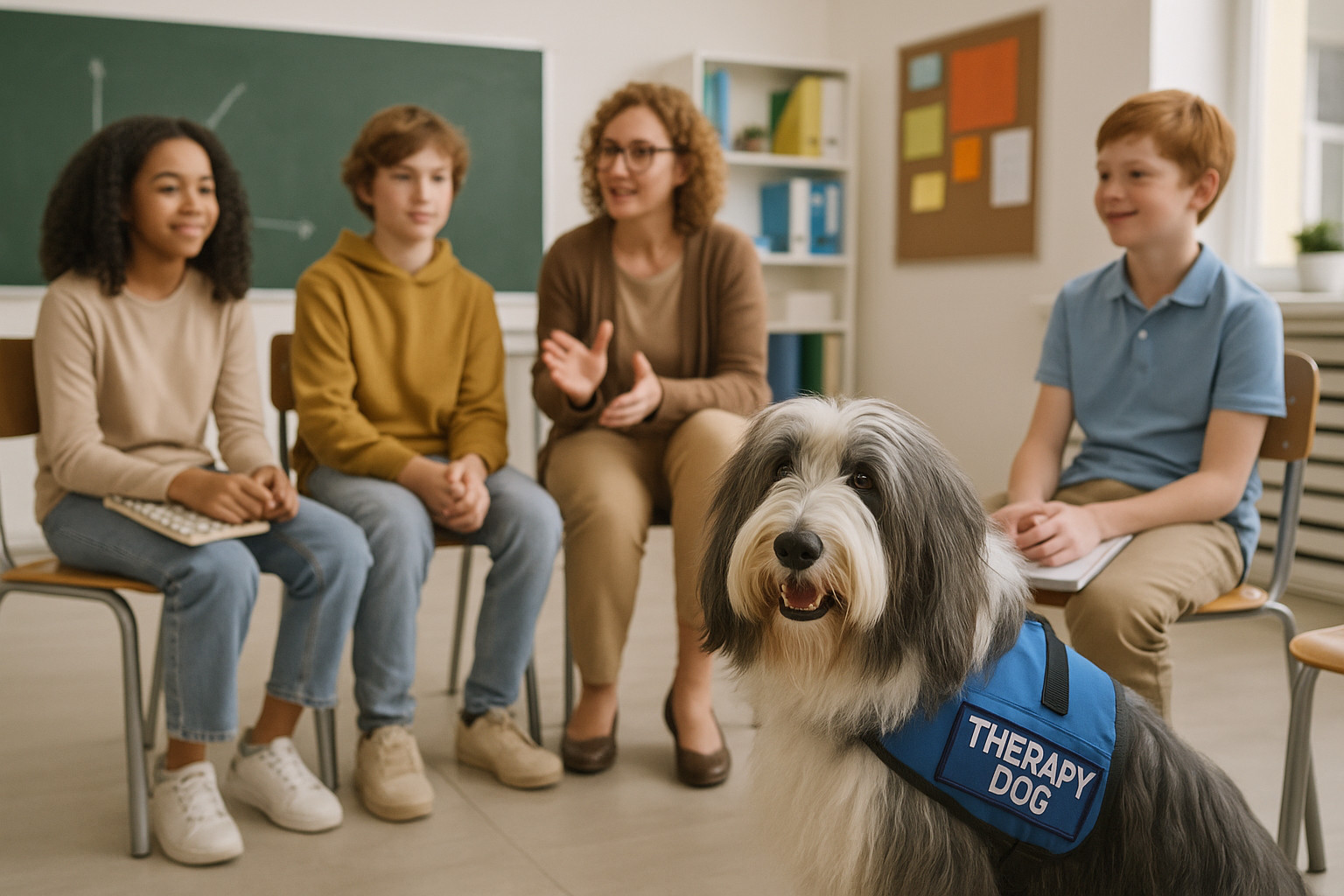
The Collie, renowned for its intelligence and loyalty, has proven to be an exceptional therapy dog, capable of bringing comfort, happiness, and serenity to those in need. This article explores the Collie's potential in therapy settings, examining traits that make this breed particularly effective in providing emotional support and companionship.
Collie as a Therapy Dog Overview
The Collie is a versatile breed, possessing unique qualities that make it well-suited for therapy work. Known for their gentle disposition and intuitive nature, Collies have an innate ability to connect with humans on an emotional level, making them particularly beneficial in various therapeutic settings.
Understanding the Therapy Dog Role
Therapy dogs facilitate emotional healing by providing comfort and companionship. Unlike service dogs, therapy dogs are not trained to perform specific tasks for individuals with disabilities; instead, they act as emotional aides, offering solace through their presence. The Collie's empathetic nature makes it adept at engaging with individuals in need of emotional support.
Physical Appearance and Energy Level
Collies are medium to large-sized dogs, easily recognizable by their long, flowing coats and alert expressions. Their elegant appearance and gentle demeanor make them approachable, reducing anxiety in stressful environments. Despite their size, they have a moderate energy level, able to adapt to both active and sedentary settings, making them suitable for varied therapy environments.
Personality and Emotional Intelligence
The Collie's personality is characterized by warmth, loyalty, and an impressive level of emotional intelligence. They are highly empathetic dogs, capable of sensing emotional shifts in humans and responding with comforting behavior. Their calm disposition ensures that they remain composed in potentially chaotic environments, providing a stable presence.
- Empathy: Collies can often sense when an individual is upset or anxious, instinctively offering comfort.
- Adaptability: Their ability to remain calm in diverse settings enables them to be effective in therapy environments such as hospitals and schools.
Environments Where Collie Excels
Collies excel in environments where a calming presence is invaluable. Their adaptability allows them to thrive in various settings, bringing reassurance and joy to those they interact with.
- Hospitals: Their gentle nature helps alleviate patient stress and promotes emotional healing.
- Schools: Collies offer a steady, reassuring presence that can help calm anxious students.
- Rehabilitation Centers: They encourage patients to engage, providing motivation and emotional support in recovery settings.
Common Therapy Settings
The Collie's skill in reading human emotions makes it particularly effective in common therapy settings. They can be found offering solace in:
Register Any Breed
- Pediatric Units: Where they engage with children, providing distraction and joy during treatments.
- Mental Health Centers: Offering non-judgmental companionship to individuals grappling with emotional distress.
- Assisted Living Facilities: Providing elderly residents with companionship and affection, mitigating feelings of isolation.
Interactions with Different Populations
Collies are versatile in their ability to interact with various demographics, demonstrating patience and gentleness across all age groups. Their sensitivity ensures they approach individuals with caution and care, adjusting their behavior to the needs of each person.
- Children: Naturally playful yet gentle, Collies can engage youngsters in therapeutic play.
- Elderly individuals: Their calm demeanor provides soothing companionship to seniors.
- Individuals with mental health challenges: They offer silent support, encouraging emotional expression.
Health and Wellness Factors
Maintaining the Collie's health is crucial for its effectiveness as a therapy dog. Regular veterinary check-ups, vaccinations, and preventive care are essential to ensure their ability to visit patients safely.
- Vaccination and Hygiene: Regular grooming and up-to-date vaccinations are vital, especially in environments like hospitals where infection control is critical.
- Diet and Exercise: A balanced diet and moderate exercise help sustain their energy levels and overall well-being, ensuring they are fit to perform their therapy roles.
Lifespan and Common Health Issues
Collies generally have a lifespan of 12 to 14 years. While they are a robust breed, they are predisposed to certain health concerns that need to be managed for their continued function as therapy dogs.
- Common Health Issues: Collies may experience eye conditions like Collie Eye Anomaly, as well as hip dysplasia. Regular screenings and preventive measures can mitigate these issues.
- Lifespan Considerations: Their relatively long lifespan ensures a prolonged period of service as a therapy dog, given proper care.
Maintenance and Care Needs
Caring for a Collie entails regular grooming to manage their long coat. A well-groomed Collie not only looks presentable but is also more comfortable during therapy interactions.
- Grooming: Routine brushing prevents matting and keeps their coat healthy, which is crucial in maintaining their comforting presence.
- Regular Veterinary Visits: Ensuring general health with regular vet check-ups is essential to their readiness and reliability as therapy dogs.
Training and Certification Readiness
The Collie's intelligence and responsiveness make training a rewarding process. With proper guidance, they easily adapt to the necessary skills and behaviors required for therapy certification.
- Intelligence: Their high intelligence level facilitates quick learning of commands and desired behaviors.
- Patience and Adaptability: These traits allow them to endure the often rigorous training and certification process needed for therapy work.
Learning Style and Responsiveness
Collies are eager learners, responding well to positive reinforcement-based training methods. Their eagerness to please, combined with advanced problem-solving skills, allows them to grasp complex tasks effectively.
- Obedience Training: Collies excel in obedience classes, where their natural intelligence and desire to please are utilized effectively.
- Routine Learning: They benefit from consistent training sessions that reinforce their roles and enhance their service capabilities.
Handling Social and Emotional Stimuli
Collies have a natural ability to handle social and emotional stimuli, enabling them to react appropriately to any given situation.
- Sensitivity: Their ability to detect subtle emotional cues assists them in providing timely comfort.
- Calmness Under Pressure: They maintain composure even in hectic environments, an essential trait for any therapy dog.
Strengths, Limitations, and Ideal Roles for Collie
While Collies are exceptional in many aspects of therapy work, certain limitations should be considered. Their strengths, such as emotional intelligence and empathy, make them ideal for:
- Strengths: Emotional responsiveness, high adaptability.
- Limitations: Potential health issues like eye problems, requiring attentive health care.
- Ideal Roles: Engaging with patients in hospitals and children in schools, where their calm demeanor and affectionate nature are most impactful.
Final Thoughts
The Collie is a breed characterized by its nurturing capability and emotional intelligence, making it exceptional in therapy roles. They possess an inherent ability to soothe and comfort, brands that are invaluable in healing environments. While they require dedicated care and attention, the joy and support they provide make the Collie a cherished therapy companion.
Key Takeaways for the Collie as a Therapy Dog
- Best suited for: Hospitals, schools, and rehabilitation centers.
- Not ideal for: Environments requiring high physical exertion, given their moderate energy level.
- Temperament highlights: Empathetic, adaptable, and calm.
- Care and health notes: Regular grooming, attention to health screenings, and exercise are essential for their wellbeing.
- Therapy environments where they shine: Hospitals, mental health centers, and assisted living facilities.


-
Public Access Kits
$149.00 Learn more This product has multiple variants. The options may be chosen on the product page -
Quick Ship Premium Vests
$48.00 – $82.00 Learn more This product has multiple variants. The options may be chosen on the product page -
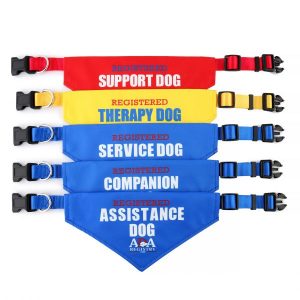
Service Dog Bandana
$39.95 Learn more This product has multiple variants. The options may be chosen on the product page
Custom ID Cards

Custom ID Cards
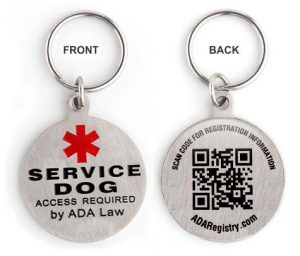
Custom Service Dog Tags
Official Dog Vests

Smart Vests
Official Public Access Kits
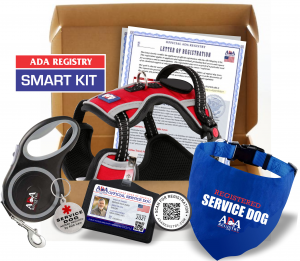
Complete Kits
USA & CANADA Letters

High Quality Bandanas
Service Dog Tags
Smart Tags

ESA TAGS