Dachshund as a Therapy Dog
Register Any Breed
Dachshund as a Therapy Dog Overview
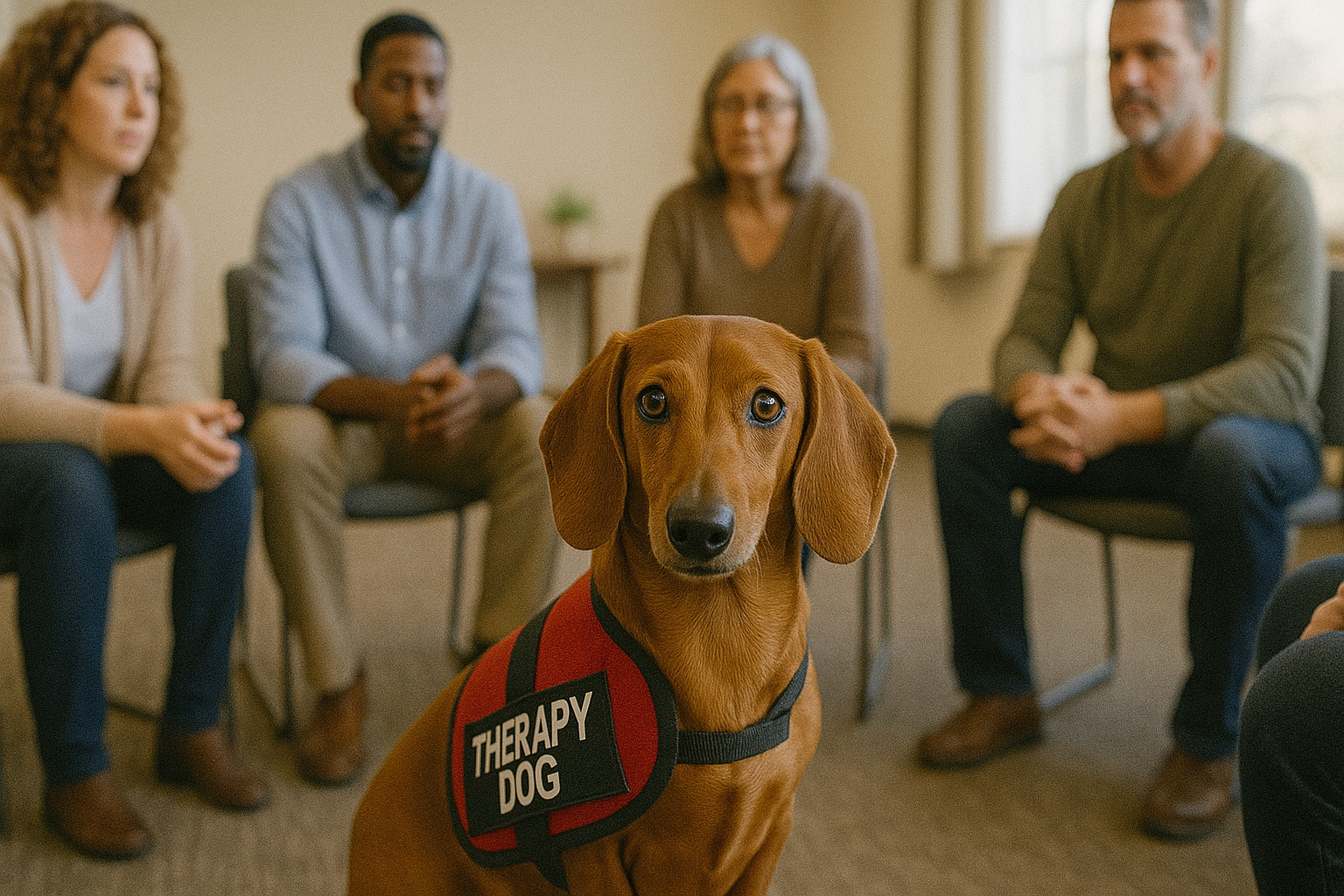
The Dachshund, affectionately known as the "wiener dog," has long been cherished for its playful and spirited nature. Originally bred for hunting, these versatile small dogs possess both the physical attributes and emotional intelligence needed for therapy work. As a therapy dog, the Dachshund can be a dynamic presence in various settings, providing comfort and emotional support to individuals across all ages.
Understanding the Therapy Dog Role
Therapy dogs are trained to provide affection, comfort, and emotional support to people in hospitals, nursing homes, schools, and other facilities. Unlike service dogs, they do not perform specific tasks for individuals but focus on general emotional wellness. A Dachshund, with its friendly and engaging disposition, can excel as a therapy companion when properly trained. They must possess a calm demeanor, patience, and a sociable attitude towards strangers — qualities inherent in many Dachshunds.
Physical Appearance and Energy Level
The Dachshund's distinctive long body and short legs are complemented by an energy that belies its size. Despite their small stature, they carry a zest for life, which can be infectious and uplifting in therapeutic settings. The breed typically maintains a moderate energy level, requiring manageable exercise, making them relatively adaptable to quieter environments like nursing homes, or livelier areas such as schools.
Physical Traits Influencing Therapy Effectiveness:
- Size: Easily fit onto laps or beside a patient’s bed, making them accessible to individuals with limited mobility.
- Appearance: Their unique physique and often adorable looks can evoke smiles and conversations, essential elements for therapy.
Personality and Emotional Intelligence
Dachshunds are known for their curiosity, boldness, and loyalty. Their high emotional intelligence allows them to sense and respond to human emotions effectively. This intuitive nature is crucial in therapy settings where attunement to the client's emotional state can enhance comfort and trust. Dachshunds’ affectionate nature and eagerness to please can lead to strong bonds with those they interact with regularly.
Personality Traits Enhancing Therapy Roles:
- Empathy: Ability to sense emotional shifts and respond soothingly.
- Playfulness: Offers playful interactions that uplift spirits.
- Loyalty and Affection: Builds strong, trusting relationships with patients.
Environments Where Dachshund Excels
Dachshunds thrive in environments where their small size and engaging personality can shine. From cuddling with a child learning to read to offering a comforting presence in hospital waiting rooms, their adaptability is commendable.
Register Any Breed
Ideal Therapy Environments:
- Schools: Assists children with emotional, social, or educational challenges.
- Hospitals and Rehabilitation Centers: Offers comfort and motivation during recovery processes.
- Nursing Homes and Assisted Living: Provides companionship to elderly residents, enhancing their quality of life.
Common Therapy Settings
The Dachshund’s versatility allows it to succeed in numerous therapy settings. Their friendly and amusing demeanor can help bridge communication gaps and provide solace across various populations.
Common Settings:
- Educational Facilities: Assists students with learning difficulties, encouraging emotional growth and development.
- Healthcare Settings: Reduces stress and anxiety in patients, promoting a therapeutic healing environment.
- Community Programs: Engages in socialization activities for children and adults, fostering interpersonal connections.
Interactions with Different Populations
The Dachshund's sociability makes them well-suited for interactions with diverse demographics. Their playful nature is highly effective with children, while their calm presence can be comforting to older adults or those dealing with anxiety.
Interaction Dynamics:
- Children: Offers playful engagements that can help ease fears and anxieties, promoting social and emotional learning.
- Adults and Elderly: Provides companionship that can alleviate feelings of loneliness and depression, improving mood and outlook.
Health and Wellness Factors
Maintaining the health and wellness of a therapy dog is critical to its effectiveness as a comfort provider. Dachshunds, while generally robust, have specific health considerations. Regular veterinary check-ups, a balanced diet, and appropriate exercise are essential to ensure they remain fit for therapy roles.
Health and Wellness Considerations:
- Back Health: Due to their elongated spine, Dachshunds are prone to back issues; monitoring and preventive measures can mitigate risks.
- Weight Management: Keeping a healthy weight prevents strain on their spine and joints, essential for their well-being and mobility.
Lifespan and Common Health Issues
Dachshunds typically have a lifespan ranging from 12 to 16 years, but their long life comes with potential health challenges. Awareness and proactive management of these issues can help maintain their capability and longevity as therapy dogs.
Common Health Issues:
- Intervertebral Disc Disease (IVDD): Regular monitoring for spinal health.
- Dental Health: Routine dental care to prevent periodontal disease.
- Obesity: A nutritious diet and regular activity to prevent weight gain.
Maintenance and Care Needs
Proper grooming and care are vital to ensure the Dachshund remains healthy and suited for therapeutic settings. Their coats can be smooth, long-haired, or wire-haired, each requiring different grooming practices.
Care Essentials:
- Grooming Needs: Depends on coat type; regular brushing and occasional baths recommended.
- Dietary Requirements: Balanced diet to support health and energy levels.
- Exercise: Daily walks and playtime to maintain fitness and relieve stress.
Training and Certification Readiness
Dachshunds’ intelligence and willingness to learn make them excellent candidates for therapy dog training. The key is consistent, positive reinforcement that reinforces desired behaviors while building canine-human bonds.
Training Considerations:
- Obedience Training: Ensures control and responsiveness in various settings.
- Socialization: Involves exposing them to diverse environments, people, and other animals to foster adaptability.
- Certification: Many organizations offer certification for therapy dogs; rigorous training ensures compliance with standards.
Learning Style and Responsiveness
Dachshunds are clever and eager to please, though they can sometimes display stubborn traits. Their intelligence and curiosity can be harnessed through structured, rewarding training routines.
Effective Training Strategies:
- Positive Reinforcement: Use treats and praise to encourage correct behavior.
- Consistency: Firm but gentle guidance for long-term retention of training.
- Patience and Creativity: Incorporate engaging activities that challenge yet entertain.
Handling Social and Emotional Stimuli
In therapy roles, Dachshunds must handle various social and emotional stimuli calmly and positively. Their response to such stimuli is typically one of engagement and empathy, making them a supportive presence for those in need.
Emotional Handling:
- Calmness in Chaos: Ability to remain steady in hectic environments.
- Emotionally Attuned: Senses and responds to human emotions with appropriate behavior.
Strengths, Limitations, and Ideal Roles for Dachshund
Understanding the strengths and limitations of a Dachshund is crucial when evaluating their suitability for therapy roles. They thrive as emotional supports but must be matched with suitable environments and populations to be most effective.
Strengths:
- Amiable and Trustworthy: Instills comfort and confidence in clients.
- Adaptable Across Settings: Performs well in both calm and vibrant environments.
Limitations:
- Stubbornness: Requires experienced handlers to navigate occasional obstinacy.
- Health Considerations: Physical limitations must be monitored to prevent injury.
Ideal Roles:
- Emotional Support in Educational Settings: Engaging with children and teachers to provide learning support and emotional comfort.
- Companionship in Elderly Care: Offering steady, consistent emotional connections.
Final Thoughts
The Dachshund's charm, intelligence, and capacity for love make it a fantastic candidate for therapy work. While there are specific challenges related to health and temperament, these can be effectively managed with informed care and training. By understanding and nurturing their intrinsic qualities, the Dachshund can play a pivotal role in enhancing human well-being across various therapy settings.
Key Takeaways for the Dachshund as a Therapy Dog
- Best suited for: Education and elderly care environments, offering emotional and social support.
- Not ideal for: High-energy or chaotic settings where their calmness might be compromised.
- Temperament highlights: Empathetic, playful, and emotionally intuitive.
- Care and health notes: Regular health check-ups and tailored exercise routines are necessary for maintenance.
- Therapy environments where they shine: Schools, hospitals, rehabilitation centers, and nursing homes.


-
Public Access Kits
$149.00 Learn more This product has multiple variants. The options may be chosen on the product page -
Quick Ship Premium Vests
$48.00 – $82.00 Learn more This product has multiple variants. The options may be chosen on the product page -
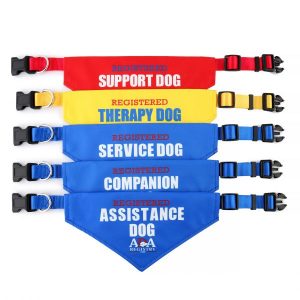
Service Dog Bandana
$39.95 Learn more This product has multiple variants. The options may be chosen on the product page
Custom ID Cards

Custom ID Cards
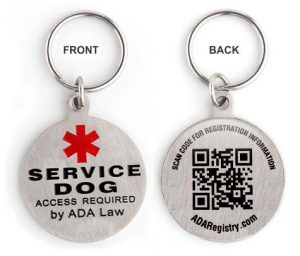
Custom Service Dog Tags
Official Dog Vests

Smart Vests
Official Public Access Kits
Complete Kits
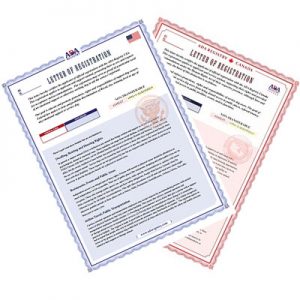
USA & CANADA Letters
High Quality Bandanas
Service Dog Tags
Smart Tags

ESA TAGS