
Dalmatian as a Therapy Dog

Register Any Breed
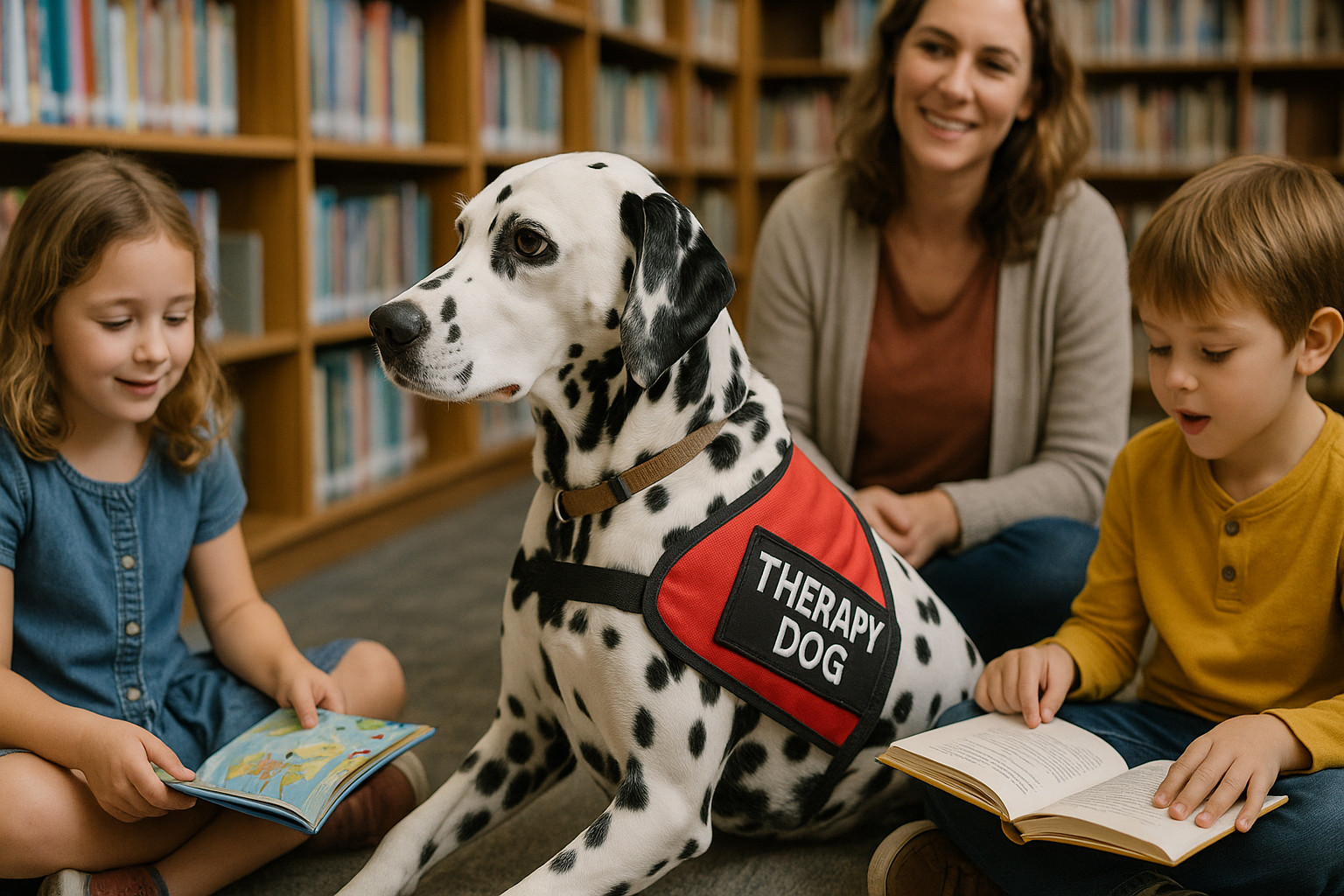
Dalmatian as a Therapy Dog Overview
The Dalmatian, with its striking appearance and known for its historical roles alongside firefighters and in various sporting activities, may not be the first breed that comes to mind for therapy roles. However, their unique blend of physical attributes, personality traits, and capacity for training can offer significant benefits in therapy settings. This article delves into how the Dalmatian can serve effectively as a therapy dog, exploring their temperament, adaptability, and training readiness, while considering health and care factors pertinent to their role.
Understanding the Therapy Dog Role
Therapy dogs offer emotional support, comfort, and companionship to individuals in a variety of settings, often enhancing the healing processes for those dealing with physical, emotional, or psychological challenges. Unlike service dogs, therapy dogs are not trained to perform specific tasks for individuals but are instead chosen for their ability to provide generalized support through interaction and presence.
Dalmatians bring a unique energy to this role, being both invigorating and soothing companions. Their natural curiosity and friendly disposition can brighten up a room, making them a potential asset in places like hospitals or senior living communities. Despite their energetic nature, with proper training and guidance, Dalmatians can exhibit the calm demeanor necessary for therapy work.
Physical Appearance and Energy Level
The Dalmatian is known for its distinctive white coat adorned with black or liver spots, an attribute that can immediately draw positive attention from therapy recipients. Weighing between 45-70 pounds and standing 19-24 inches tall, their size can be both a comforting and playful presence, depending on the setting and the needs of the individuals.
Their high energy level necessitates regular exercise, which can be beneficial in therapy settings that involve interactive or outdoor activities. However, their energy must be matched with appropriate training to ensure it contributes to a calming influence rather than being overwhelming.
Personality and Emotional Intelligence
Dalmatians are often characterized by their affectionate and loyal nature. Their strong personality comprises intelligence and a zest for life, traits which can translate well into therapy work. Their ability to connect with people, reading emotional cues, and responding appropriately, is indicative of a high level of emotional intelligence.
The breed is naturally sociable, thriving on interaction which makes them well-suited for environments that require consistent human interaction. Their innate sensitivity allows them to provide comfort through their mere presence, responding to individuals' needs for attention and affection.
Register Any Breed
Environments Where Dalmatian Excels
Given their characteristics, Dalmatians excel in environments where dynamism and interaction are key. They are well-suited for active settings like rehabilitation centers, where their playful and engaging nature can motivate patients to partake in physical activities beneficial for their recovery.
Similarly, in educational settings such as schools, Dalmatians can help create an engaging and supportive environment, aiding children in developing emotional literacy and social skills through their interactions. Their lively presence brings a unique form of therapy, often encouraging participation and enthusiasm.
Common Therapy Settings
Dalmatians can be integrated into several therapy settings, such as:
- Hospitals: Where their joyful presence can elevate patient spirits, aiding in recovery and improving mental well-being.
- Nursing homes: Providing companionship and emotional support to the elderly, reducing feelings of loneliness and depression.
- Rehabilitation centers: Assisting in patient motivation and participation in physical therapy routines.
- Schools: Offering a source of comfort and motivation for students, particularly those with emotional or social difficulties.
Interactions with Different Populations
Dalmatians have a versatile approach when interacting with various populations. Their empathy and engaging personality allow them to bond with children, adults, and seniors alike. Particularly with children, their playful nature combined with a gentle approach makes them wonderful companions, helping kids overcome anxieties or behavioral issues.
With adults and seniors, their lively, yet gentle demeanor provides interaction that is both enriching and comforting, helping to alleviate stress, anxiety, and feelings of isolation. Their ability to adapt their behavior to the emotional state of individuals further enhances their effectiveness across diverse groups.
Health and Wellness Factors
Awareness of the Dalmatian's health and wellness is crucial in therapy settings. The breed is prone to certain genetic issues, with a significant one being their potential for developing deafness. Screening for this condition is essential, as a deaf dog may not fulfill the role effectively without additional accommodations.
Their energetic nature requires regular exercise to maintain optimal health, preventing obesity and associated health problems. Regular veterinary checkups, combined with a balanced diet, will ensure that they are healthy and fit for their therapy roles.
Lifespan and Common Health Issues
Dalmatians typically live between 10–13 years, with good care and health management contributing to their longevity. In addition to deafness, they are predisposed to urinary stones, which need careful monitoring and dietary management. Regular health screenings can help mitigate such risks, ensuring the Dalmatian remains an effective therapy dog throughout its life.
Addressing these health concerns proactively, including managing their coat and skin conditions, ensures they are comfortable and secure, preventing any hindrances to their therapy duties.
Maintenance and Care Needs
The Dalmatian's short coat requires regular grooming to manage shedding, which is consistent throughout the year. This involves weekly brushing and bathing as necessary to maintain coat health and appearance. As therapy dogs interact closely with individuals, particularly those with health sensitivities, maintaining a clean and well-groomed dog is critical.
Their energetic disposition demands daily physical activity, which serves dual purposes: maintaining their health and ensuring their energy is well managed, so they are calm and focused during therapy sessions.
Training and Certification Readiness
Training is a cornerstone for any successful therapy dog, and Dalmatians, though intelligent, can be somewhat independent and occasionally stubborn. This necessitates patience and consistency during training. Positive reinforcement techniques work effectively, building the dog's confidence and enhancing its responsiveness to commands.
Certifying a Dalmatian for therapy work requires meeting specific criteria established by therapy dog organizations. The process evaluates their demeanor, behavior, and ability to adapt to different environments and situations, ensuring they meet the necessary standards.
Learning Style and Responsiveness
Dalmatians are intelligent and possess a strong desire to please, traits that can be harnessed for effective training. Their learning style is interactive; they respond well to engaging, reward-based training routines that stimulate their natural curiosity and intelligence.
Maintaining varied and dynamic training sessions helps sustain their interest and responsiveness. This approach not only caters to their cognitive needs but also ensures they remain attentive and adaptable in therapy settings.
Handling Social and Emotional Stimuli
Dalmatians’ sociability equips them to handle a wide range of social and emotional stimuli. They generally exhibit calmness in the midst of activity and can adjust their behavior based on the emotional undertones of their surroundings. Their ability to maintain composure in bustling environments such as hospitals or schools is crucial for their success as therapy dogs.
They work well in settings where they can be both active and relaxed, reflecting the mood and needs of the people they are interacting with. This balance is key to their role, enabling them to provide both energetic engagement and calming reassurance.
Strengths, Limitations, and Ideal Roles for Dalmatian
Strengths:
- Strong emotional intelligence, able to read and respond to human emotions effectively.
- Adaptable and sociable, thriving in interactive environments.
- Aesthetically appealing, often drawing positive initial responses.
Limitations:
- High energy may require extensive training to harness effectively in therapy contexts.
- Certain health issues, such as deafness, require careful consideration.
Ideal Roles:
- Environments needing both energy and empathy, such as children's therapy or rehabilitation.
- Situations where their unique appearance and demeanor can help set patients at ease.
Final Thoughts
Dalmatians can be excellent therapy dogs with the right training and management. Their energetic yet empathetic nature allows them to connect with individuals in diverse settings. While they pose unique challenges, particularly in training and health management, their potential contributions to therapy environments are immense. By leveraging their strengths and addressing their limitations, Dalmatians can provide irreplaceable companionship and support, improving the quality of life for those they interact with.
Key Takeaways for the Dalmatian as a Therapy Dog
- Best suited for: Interactive settings like schools and rehabilitation centers.
- Not ideal for: Environments requiring low-energy, sedentary presence.
- Temperament highlights: Affectionate, intelligent, sociable, emotionally intelligent.
- Care and health notes: Regular grooming and health screenings vital, potential for deafness, requires exercise.
- Therapy environments where they shine: Children's therapy, rehabilitation centers, nursing homes.


-
Public Access Kits
$149.00 Learn more This product has multiple variants. The options may be chosen on the product page -
Quick Ship Premium Vests
$48.00 – $82.00 Learn more This product has multiple variants. The options may be chosen on the product page -
Service Dog Bandana
$39.95 Learn more This product has multiple variants. The options may be chosen on the product page

Custom ID Cards

Custom ID Cards
Custom Service Dog Tags

Official Dog Vests

Smart Vests
Official Public Access Kits

Complete Kits
USA & CANADA Letters

High Quality Bandanas

Service Dog Tags

Smart Tags

ESA TAGS
