Flat-Coated Retriever as a Therapy Dog
Register Any Breed
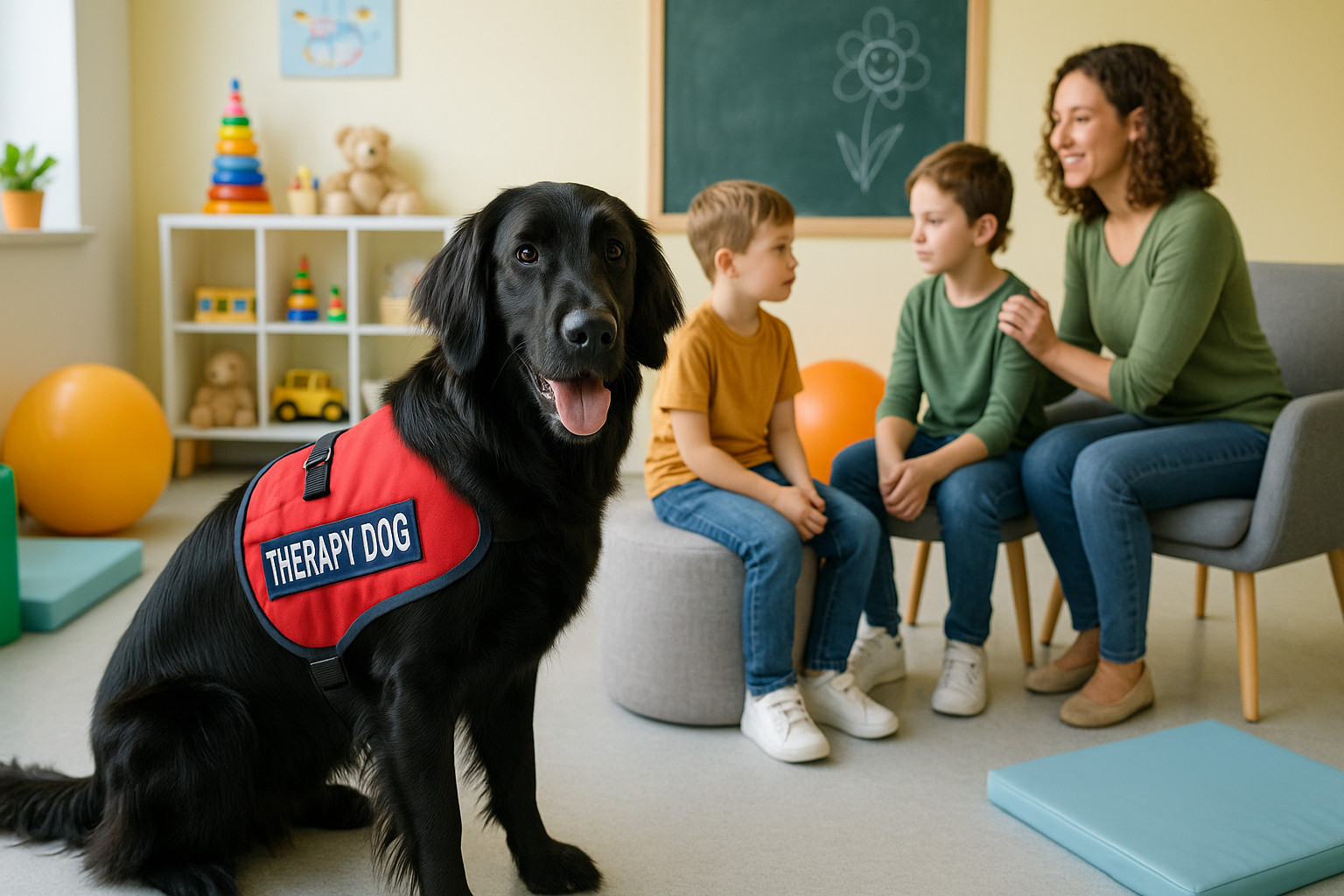
The role of therapy dogs has become increasingly vital in bringing comfort and healing to individuals across various settings. Among the plethora of breeds that can be trained for therapy work, the Flat-Coated Retriever stands out due to its cheerful nature, intelligence, and adaptable temperament. This article delves into the suitability of the Flat-Coated Retriever as a therapy dog, analyzing various facets that contribute to its effectiveness in this role.
Flat-Coated Retriever as a Therapy Dog Overview
Flat-Coated Retrievers are known for their friendly and optimistic temperament, which makes them excellent candidates for therapy work. These traits, combined with their intelligence and physical agility, allow them to interact therapeutically with diverse populations.
Understanding the Therapy Dog Role
Therapy dogs play a crucial role in emotional and psychological healing by providing comfort and support to individuals in need. Unlike service dogs, which are trained for specific tasks, therapy dogs are brought into environments such as hospitals, schools, and nursing homes to lift spirits and reduce anxiety.
Flat-Coated Retrievers, with their open-hearted nature, thrive in these roles. Their presence can significantly enhance therapy outcomes, offering a non-judgmental and ever-positive interaction that can break through emotional and psychological barriers.
Physical Appearance and Energy Level
Flat-Coated Retrievers are medium-to-large-sized dogs with an athletic build and a flowing, shiny coat. Their appearance holds several advantages in therapy settings:
- Attractive and Non-threatening: Their friendly expression and elegant physique can be comforting to those they meet, reducing fear or anxiety often associated with unknown dogs.
- Physical Endurance: They can remain active and engaging during therapy sessions due to their high energy, proving beneficial in environments where long hours are common.
Personality and Emotional Intelligence
One of the Flat-Coated Retriever's standout characteristics is its buoyant and enthusiastic personality. These dogs possess high emotional intelligence, which enables them to discern human emotions and react appropriately in situations requiring empathy and patience.
- Empathy and Sympathy: Their inherent sense of empathy ensures they can detect and respond to the emotional shifts of those around them efficiently.
- Adaptability: Flat-Coated Retrievers adapt well to different environments and personalities, facilitating their role as universal therapy companions.
Environments Where Flat-Coated Retriever Excels
The versatile nature of Flat-Coated Retrievers allows them to excel in a variety of therapy environments:
Register Any Breed
- Hospitals and Rehabilitation Centers: Their infectious spirit and gentle demeanor can uplift patients and assist in recovery processes.
- Schools and Libraries: Their playful energy makes them perfect for programs focused on reducing stress or encouraging educational engagement.
Common Therapy Settings
In therapeutic settings, Flat-Coated Retrievers are often used in:
- Mental Health Support Sessions: Providing a calm presence to help individuals open up during therapy sessions.
- Elderly Care Centers: Offering companionship that can lessen feelings of loneliness and stimulate memory recall in dementia patients.
Interactions with Different Populations
The breed's social nature and intelligence make it adept at interacting with varied populations:
- Children: They exhibit patience and playfulness, which can help lower anxiety and increase engagement.
- Adults: Their steadfast presence allows adults to feel more at ease, fostering a conducive environment for therapeutic progress.
Health and Wellness Factors
For therapy dogs, maintaining health and wellness is paramount to ensure safety and efficacy during visits:
- Grooming Needs: Regular grooming is required to keep the Flat-Coated Retriever's coat free from tangles and debris that can be transferred in a clinical setting.
- Exercise Requirements: These active dogs need daily physical exercise to maintain their physical and mental health, ensuring they are calm and composed during therapy sessions.
Lifespan and Common Health Issues
Flat-Coated Retrievers generally have a lifespan of 10-14 years. Prospective therapy dog handlers must be mindful of common health issues:
- Hip Dysplasia: Regular check-ups and a healthy diet can help manage this condition to prolong therapy involvement.
- Cancer: This breed is prone to certain cancers, which require vigilance and regular veterinary care.
Maintenance and Care Needs
Owning a Flat-Coated Retriever therapy dog involves several considerations:
- Diet: Balanced nutrition is crucial for maintaining energy and health, crucial for their demanding role.
- Routine Vet Visits: Essential for monitoring health issues and ensuring vaccination compliance.
Training and Certification Readiness
Training a Flat-Coated Retriever for therapy work involves focusing on their natural strengths:
- Basic Obedience: Their responsiveness makes basic command training straightforward.
- Advanced Training: Certification programs may require additional training in interacting calmly in varied environments.
Learning Style and Responsiveness
This breed is eager to learn and responsive to positive reinforcement techniques:
- Motivated Learners: Food treats and positive reinforcement encourage them to master complex commands.
- Attention Span: Their desire to please aids in sustained focus during training sessions.
Handling Social and Emotional Stimuli
Flat-Coated Retrievers exhibit remarkable ability to process and react to social and emotional stimuli:
- Calm Presence: They possess a grounded nature that excels in maintaining a peaceful environment despite external stressors.
- Intuitive Reaction: Can intuitively adjust their behavior to match the emotional needs of the individual they are assisting.
Strengths, Limitations, and Ideal Roles for Flat-Coated Retriever
While well-suited in many aspects, understanding a Flat-Coated Retriever’s strengths and limitations is critical:
- Strengths: High intelligence, empathy, energy, and adaptability in various environments.
- Limitations: Potential health issues and high exercise needs might restrict the duration of effective therapy work.
Final Thoughts
Flat-Coated Retrievers have distinct attributes that make them exceptional therapy dogs. Their combination of intelligence, enthusiasm, and patience allows them to impact lives positively across various settings. However, responsible handling, regular health monitoring, and targeted training are essential to ensure they thrive in their therapy role.
Key Takeaways for the Flat-Coated Retriever as a Therapy Dog
- Best suited for: Hospitals, schools, mental health facilities, elder care
- Not ideal for: Low-activity settings without adequate stimulation
- Temperament highlights: Friendly, empathetic, adaptable, energetic
- Care and health notes: High grooming and exercise needs; potential health issues require monitoring
- Therapy environments where they shine: Recovery and rehabilitation centers where their energy and sensitivity provide emotional support


-
Public Access Kits
$149.00 Learn more This product has multiple variants. The options may be chosen on the product page -
Quick Ship Premium Vests
$48.00 – $82.00 Learn more This product has multiple variants. The options may be chosen on the product page -
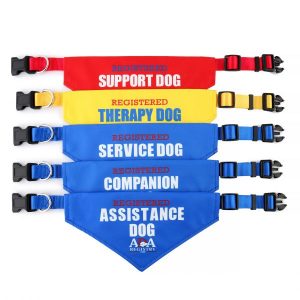
Service Dog Bandana
$39.95 Learn more This product has multiple variants. The options may be chosen on the product page
Custom ID Cards

Custom ID Cards
Custom Service Dog Tags

Official Dog Vests

Smart Vests
Official Public Access Kits
Complete Kits
USA & CANADA Letters
High Quality Bandanas
Service Dog Tags
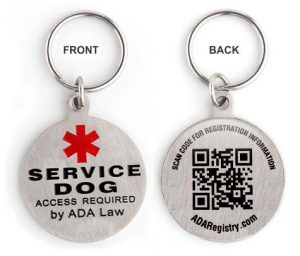
Smart Tags

ESA TAGS