German Shepherd Dog as a Therapy Dog
Register Any Breed
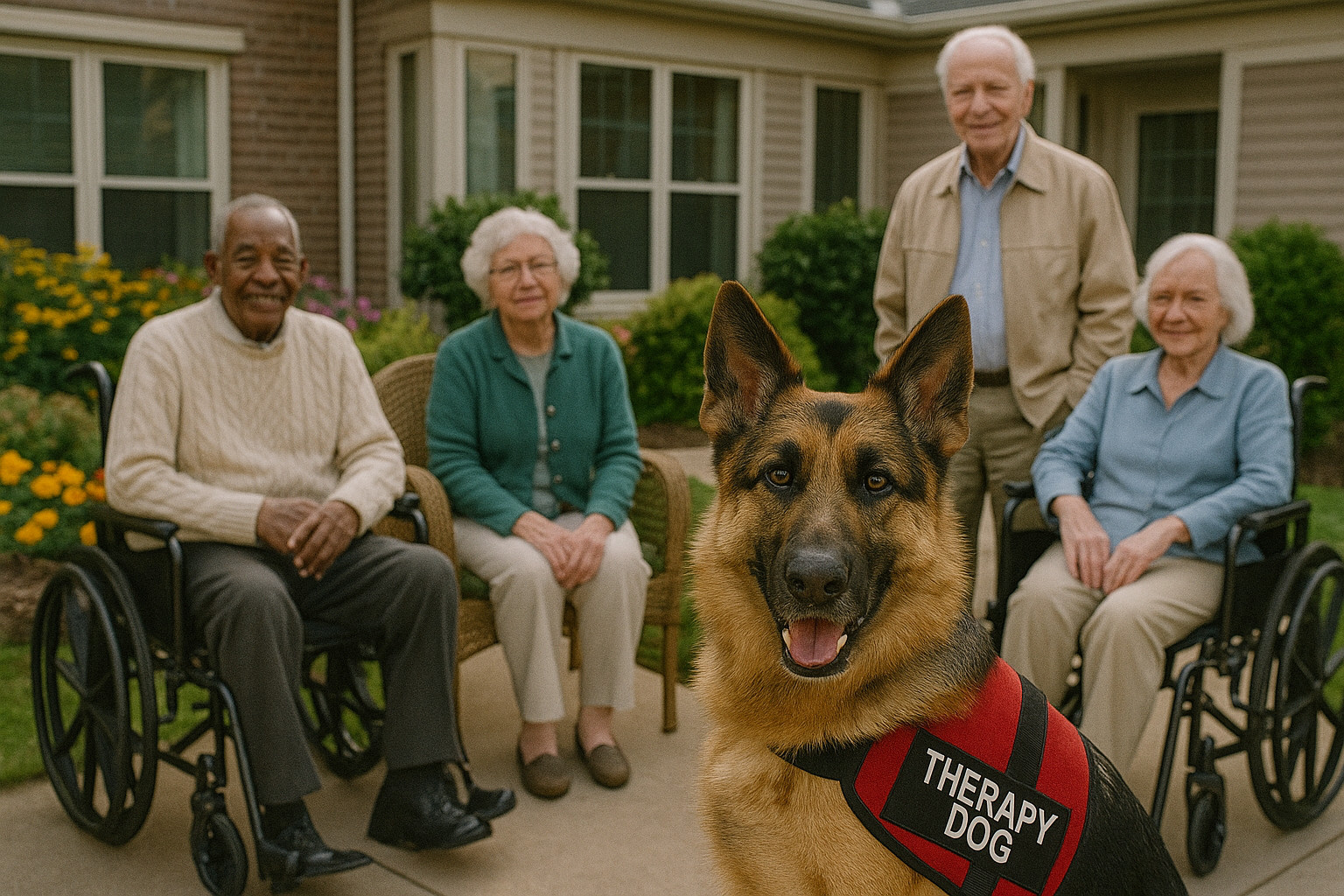
The German Shepherd Dog (GSD) is renowned for its intelligence, loyalty, and versatility across various roles. Even though they are often associated with working or protective roles, their capabilities as therapy dogs are immense. This article delves into the German Shepherd’s potential and effectiveness in the therapeutic realm, offering a detailed guide for trainers, volunteers, or healthcare professionals considering this breed for therapy.
German Shepherd Dog as a Therapy Dog Overview
Understanding the Therapy Dog Role
Therapy dogs have unique contributions in enhancing emotional well-being and facilitating healing in different settings. Unlike service dogs, which perform specific tasks for individuals with disabilities, therapy dogs provide comfort and support broadly. They visit hospitals, schools, nursing homes, and disaster areas to provide emotional support and comfort.
- Empathy & Interaction: Therapy dogs excel through their ability to resonate with human emotions, providing non-judgmental companionship.
- Calm Presence: They help reduce stress, anxiety, and loneliness, contributing positively to the psychological health of those they interact with.
Physical Appearance and Energy Level
The German Shepherd Dog is a large, well-balanced dog with a harmonious and powerful build, contributing to its dignified presence in therapy settings. However, their energy level needs to be managed to suit the role of a calm companion.
- Appearance Traits: Their solid, muscular build can offer reassurance, particularly in settings where physical presence needs to project stability and comfort.
- Energy Adaptability: While naturally energetic, they can learn to adapt to quieter, more passive roles when properly exercised and trained.
Personality and Emotional Intelligence
German Shepherds are known for their intelligent and observant nature, attributes that serve well in therapy roles, where intuitive responses to human emotions are paramount. These dogs naturally bond with humans, showcasing patience and calmness in varying environments.
- Emotional Connectivity: They have a strong ability to sense emotion and respond with compassion.
- Calm Demeanor: Contrary to expectations of their energetic nature, they can exhibit calmness, especially when early socialization is emphasized.
Environments Where German Shepherd Dog Excels
The versatility of the German Shepherd makes it suitable for a variety of therapeutic environments, from bustling facilities to more subdued residential settings.
- Hospitals: The confident and calm demeanor they can exhibit makes them excellent in medical settings, offering comfort to patients and families.
- Educational Settings: Their patience and resilience allow them to serve well in schools, offering therapeutic support to students.
- Rehabilitation Centers: Patients in rehabilitation benefit from their encouraging, stable presence, which aids recovery and motivation.
Common Therapy Settings
German Shepherds perform well in numerous therapeutic settings, adapting their roles to fit the needs of the individuals they interact with.
- Elderly Care: They provide companionship and stimulation for older adults, reducing feelings of isolation.
- Disaster Relief: Their natural protective instincts and energy can help individuals overcome trauma in crisis intervention scenarios.
- Special Needs Support: Their sympathetic nature is advantageous for children with special needs, offering emotional support and stability.
Interactions with Different Populations
The adaptability of the German Shepherd extends to various demographics, making them an inclusive choice for therapy work.
Register Any Breed
- Children and Adolescents: Their gentle nature enables them to bond easily, providing security and encouragement to younger populations.
- Adults under Stress: The breed’s steadiness and empathy are comforting to stressed adults, helping in stress-related therapeutic protocols.
- Veterans and Trauma Survivors: The breed’s mixed strength and compassion provide comfort and camaraderie to trauma survivors.
Health and Wellness Factors
A healthy German Shepherd can perform therapy roles effectively, but being proactive about their wellness is crucial due to their breed-specific health conditions.
- Diet and Exercise Needs: Proper diet and regular exercise will ensure they maintain the health and poise necessary for their role.
- Routine Vet Check-ups: Regular visits can prevent or manage common breed-specific issues such as hip dysplasia, ensuring they remain fit for therapy work.
Lifespan and Common Health Issues
German Shepherds have a lifespan of around 9 to 13 years but are prone to certain health issues that could impact their performance as therapy dogs.
- Common Ailments: Hip and elbow dysplasias are prevalent and should be carefully managed.
- Veterinary Care: Regular health screenings can help catch issues early and minimize their impact on the dog’s ability to serve in therapy roles.
Maintenance and Care Needs
Maintaining the health and comfort of a German Shepherd involves fulfilling their grooming and lifestyle needs.
- Grooming: Regular grooming is essential to manage shedding and ensure they remain presentable for therapy work.
- Lifestyle Adjustments: They thrive with a routine that includes physical exercise, mental stimulation, and interactive play. These elements are crucial for maintaining their therapy-readiness.
Training and Certification Readiness
German Shepherds demonstrate high trainability, a significant factor for therapy dog certification. Their intelligence and eagerness to learn are central to their success in therapy roles.
- Training Techniques: Positive reinforcement approaches work well, ensuring they respond to commands in varied situations.
- Certification Process: They are typically quick learners, making them suitable candidates for projects that require obtaining therapy dog certification through organizations like the American Kennel Club or Pet Partners.
Learning Style and Responsiveness
German Shepherds are known for their quick learning style and responsiveness to training, which bolsters their adaptability in therapy settings.
- Learning Preferences: They respond well to consistent, respectful training methods that focus on reward rather than punishment.
- Socialization Importance: Early and deliberate socialization is vital in ensuring they remain composed in different environments.
Handling Social and Emotional Stimuli
The German Shepherd’s receipt and response to social and emotional stimuli can make or break their effectiveness in therapy settings.
- Sensory Acuity: Their heightened senses allow them to react appropriately to the emotions of those they interact with.
- Emotional Sensitivity: Properly trained, they can detect and respond to human emotions thoughtfully, providing compassion and understanding.
Strengths, Limitations, and Ideal Roles for German Shepherd Dog
While German Shepherds possess many of the qualities needed for a therapy dog, they also have limitations that may impact their versatility in some therapeutic roles.
- Strengths: Intelligence, empathy, and trainability stand out as key beneficial traits.
- Limitations: Their size and energy can be overwhelming if not properly channeled, and they might not be suitable for all settings, such as quiet environments where a smaller, less active dog would be more appropriate.
Final Thoughts
In the realm of therapy, the German Shepherd shines with its adaptive and empathetic nature. They possess many traits that make them ideal for comforting and assisting various populations through difficult times. While attentive care and proper training are required to mitigate their limitations, their contributions to emotional well-being exhibit a broadly beneficial impact across therapeutic settings.
Key Takeaways for the German Shepherd Dog as a Therapy Dog
- Best suited for: Active roles offering emotional support in dynamic environments.
- Not ideal for: Extremely sedentary or ultra-quiet therapy settings where gentler breeds might excel.
- Temperament highlights: Loyal, intelligent, empathetic, and responsive to training.
- Care and health notes: Regular grooming and attentive health management; mindful of breed-related health issues.
- Therapy environments where they shine: Hospitals, schools, rehabilitation centers, and in roles requiring active interaction.
Through this guide, the German Shepherd’s potential as a therapy dog is highlighted, offering a glimpse into the tremendous impact they can have in therapy roles with the right preparation and environment.


-
Public Access Kits
$149.00 Learn more This product has multiple variants. The options may be chosen on the product page -
Quick Ship Premium Vests
$48.00 – $82.00 Learn more This product has multiple variants. The options may be chosen on the product page -
Service Dog Bandana
$39.95 Learn more This product has multiple variants. The options may be chosen on the product page
Custom ID Cards

Custom ID Cards
Custom Service Dog Tags

Official Dog Vests

Smart Vests
Official Public Access Kits

Complete Kits
USA & CANADA Letters

High Quality Bandanas

Service Dog Tags

Smart Tags

ESA TAGS