
Glen of Imaal Terrier as a Therapy Dog
Register Any Breed
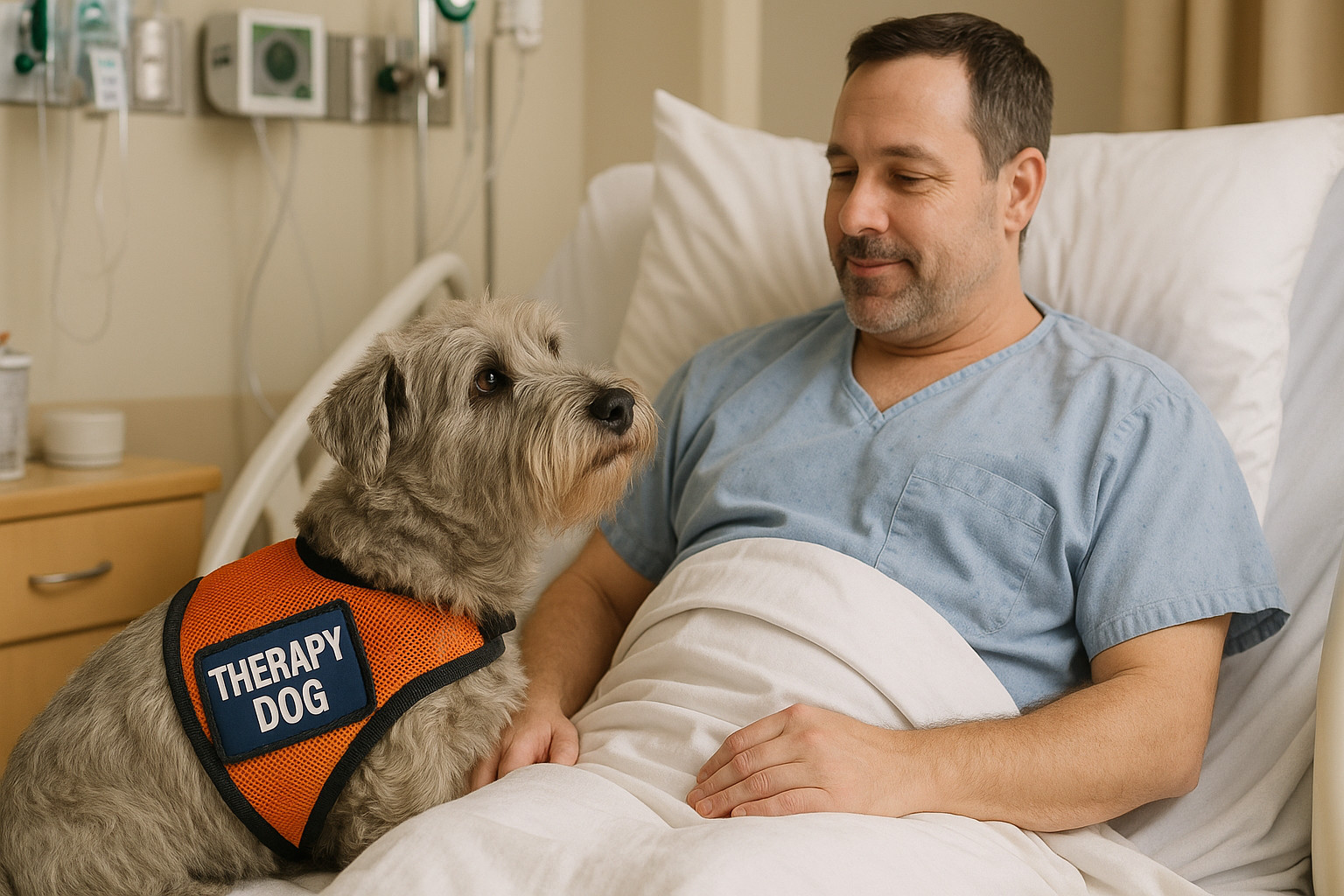
Therapy dogs have become an instrumental part of many therapeutic and healing environments, bringing comfort, joy, and companionship to people in need. The Glen of Imaal Terrier, a breed originally from Ireland, might not be the first breed one thinks of for therapy work, but their unique characteristics can make them surprisingly effective in this role. Let's explore the potential of the Glen of Imaal Terrier as a therapy dog.
Glen of Imaal Terrier as a Therapy Dog Overview
Understanding the Therapy Dog Role
Therapy dogs are trained to provide affection, comfort, and support to people, often in settings such as hospitals, retirement homes, nursing homes, schools, and disaster areas. Unlike service dogs, they are not trained to perform specific tasks for individuals with disabilities but rather to be interactively present in therapeutic environments. They must possess impeccable temperaments, demonstrating patience, calmness, and adaptability in a variety of settings and situations.
Physical Appearance and Energy Level
- Size and Build: The Glen of Imaal Terrier is a medium-sized dog, with a sturdy build that ensures they are neither too fragile nor too imposing in therapeutic settings. Their manageable size allows them to fit comfortably in tighter spaces such as hospitals or small therapy rooms.
- Energy Level: These terriers have a balanced energy level that is neither too high to be disruptive nor too low to lack engagement. They require regular exercise to maintain their calm demeanor but are capable of remaining composed during therapy sessions, which often demand a more laid-back attitude.
Personality and Emotional Intelligence
- Temperament: Known for being gentle, patient, and intelligent, the Glen of Imaal Terrier's demeanor is ideal for therapy roles. Their calm nature helps put patients at ease, while their intelligence allows them to react appropriately in various situations.
- Emotional Intelligence: This breed exhibits a notable level of empathy, understanding human emotions and providing comfort through their mere presence. They are capable of showing affection and provide emotional support intuitively, which is crucial in therapeutic contexts.
Environments Where Glen of Imaal Terrier Excels
- Hospitals and Rehabilitation Centers: Their calm and composed nature makes Glens well-suited for environments where calmness prevails.
- Schools and Libraries: The Glen of Imaal's adaptability allows them to thrive in dynamic, sometimes noisy settings where children gather. Their gentle nature makes them an excellent company for children needing emotional support.
- Nursing Homes: Elderly patients benefit from the Glen’s gentle demeanor and loving presence, making them a comforting companion in settings where residents might otherwise feel isolated.
Common Therapy Settings
- Medical and Psychiatric Facilities: Their calm demeanor helps reduce anxiety and stress in patients.
- Community Centers and Libraries: Their adaptability makes them an asset to environments geared towards emotional and educational engagement.
- Disaster Recovery Units: This breed’s resilience and calmness can provide necessary emotional relief in high-stress situations.
Interactions with Different Populations
- Children: With a gentle demeanor, these terriers can be patient playmates for children who require companionship.
- Elderly: The Glen of Imaal Terrier's small size and affectionate nature make it a suitable companion for the elderly, many of whom may enjoy quieter interactions.
- Individuals with Anxiety or PTSD: The breed’s ability to remain calm under pressure makes them an excellent choice for working with individuals facing emotional stress.
Health and Wellness Factors
The health of a therapy dog is integral to its performance and satisfaction in the role. Here are key factors to consider:
- Grooming Needs: Regular grooming is necessary to maintain coat and skin health, which helps ensure the dog remains comfortable during therapy sessions and visits.
- Exercise Requirements: Adequate physical activity ensures they are relaxed, preventing potential behavioral problems such as restlessness during visits.
Lifespan and Common Health Issues
- Lifespan: The Glen of Imaal Terrier typically lives for 12-15 years, providing a long-term therapy companion when healthy.
- Common Health Issues: They are generally healthy but may face issues such as hip dysplasia and progressive retinal atrophy, which need regular veterinary check-ups to prevent hindrances in their working capacity.
Maintenance and Care Needs
- Coat Care: Their double coat requires consistent grooming to prevent matting and maintain a professional appearance fitting for therapy settings.
- Diet and Nutrition: Proper nutrition supports their overall health, ensuring they have the energy and vitality needed for engagement in therapy activities.
- Regular Veterinary Care: Preventative healthcare is vital to minimize time off work due to health issues, ensuring they remain a consistent part of their clients' lives.
Training and Certification Readiness
- Learning Style and Responsiveness: Glen of Imaal Terriers are perceptive and eager to learn, responding well to positive reinforcement training techniques.
- Handling Social and Emotional Stimuli: Their sensitivity to social cues and emotional states enables them to adapt their behavior suitably, a vital trait for a therapy dog's success.
Strengths, Limitations, and Ideal Roles for Glen of Imaal Terrier
- Strengths: Their adaptability across environments and their non-intimidating demeanor make them ideal for a variety of settings.
- Limitations: The breed isn’t suited for situations where high-energy play is needed; they perform better in tranquil environments.
- Ideal Roles: Glens excel in roles requiring calm and patient interaction with individuals in schools, hospitals, and senior care facilities.
Final Thoughts
In conclusion, the Glen of Imaal Terrier possesses many qualities that can make them an excellent choice for certain therapy settings. Their moderate size, calm temperament, and emotional sensitivity lend themselves well to therapeutic work, particularly with populations that benefit from gentle, patient interactions.
Key Takeaways for the Glen of Imaal Terrier as a Therapy Dog
- Best suited for: Hospitals, schools, nursing homes
- Not ideal for: Highly active therapy environments requiring dynamic energy
- Temperament highlights: Patient, gentle, emotionally intelligent
- Care and health notes: Requires regular grooming and exercise; vigilant health monitoring
- Therapy environments where they shine: Stress-relief roles in medical settings and emotional support in schools and libraries


-
Public Access Kits
$149.00 Learn more This product has multiple variants. The options may be chosen on the product page -
Quick Ship Premium Vests
$48.00 – $82.00 Learn more This product has multiple variants. The options may be chosen on the product page -
Service Dog Bandana
$39.95 Learn more This product has multiple variants. The options may be chosen on the product page
Custom ID Cards

Custom ID Cards
Custom Service Dog Tags

Official Dog Vests

Smart Vests
Official Public Access Kits

Complete Kits
USA & CANADA Letters

High Quality Bandanas

Service Dog Tags

Smart Tags

ESA TAGS
