Great Swiss Mountain Dog as a Therapy Dog
Register Any Breed
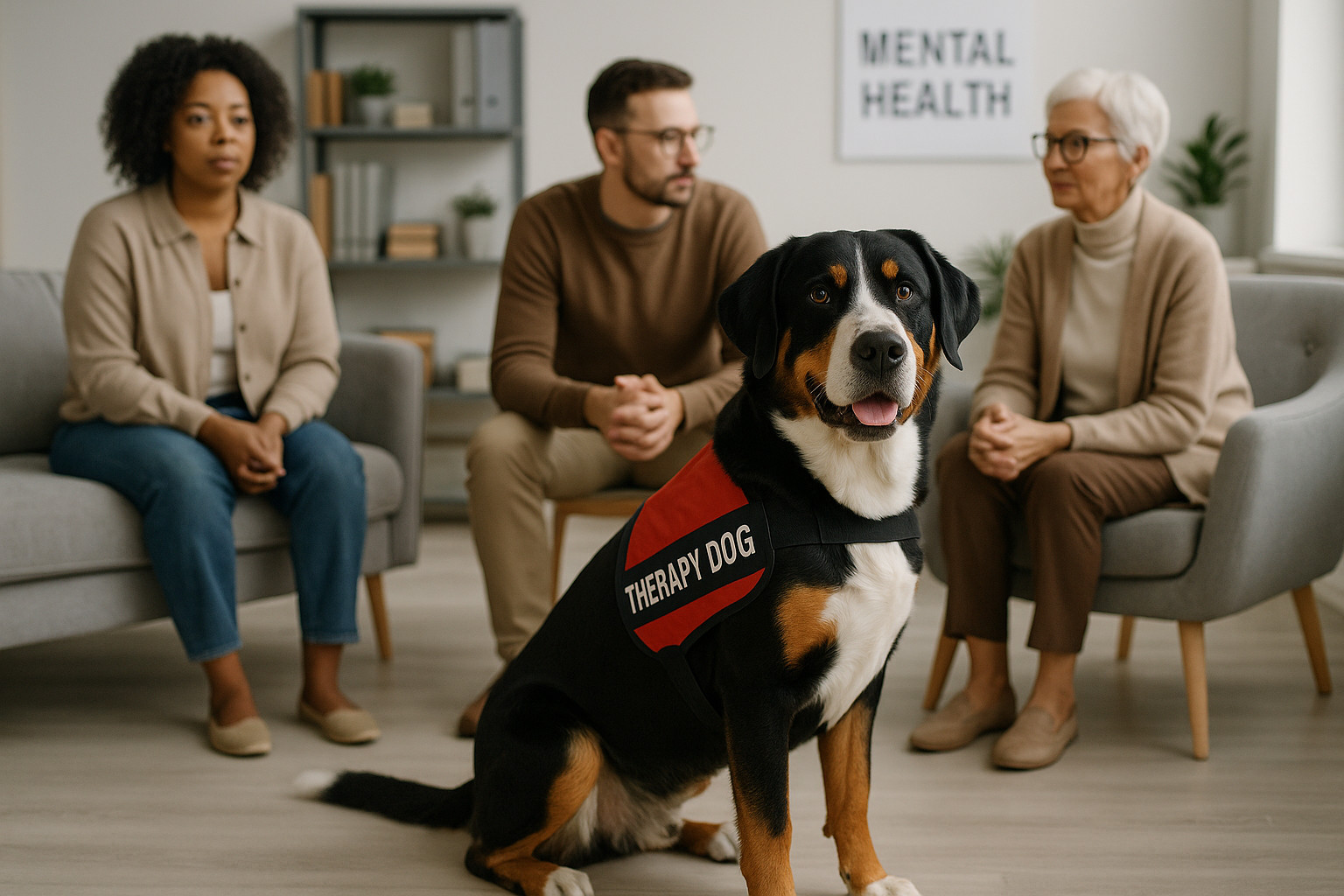
The Great Swiss Mountain Dog is a breed renowned for its strength, composure, and adaptability, making it an intriguing choice for therapy work. Understanding the unique attributes and potential challenges of this breed as a therapy dog is essential for professionals seeking to maximize their effectiveness in therapeutic settings.
Great Swiss Mountain Dog as a Therapy Dog Overview
The Great Swiss Mountain Dog, with its gentle demeanor and robust physique, has become an increasingly popular choice for therapy work. This article delves into various aspects of the breed, evaluating their suitability and effectiveness in providing emotional support and comfort in diverse environments.
Understanding the Therapy Dog Role
Therapy dogs play a crucial role in promoting emotional well-being and enhancing physical recovery in therapeutic settings. Their presence offers comfort, reduces anxiety, and fosters a sense of safety and companionship in people of all ages. A successful therapy dog must possess traits such as patience, calmness, adaptability, and the ability to remain unfazed by various stimuli.
Physical Appearance and Energy Level
The Great Swiss Mountain Dog is a large, powerful breed with a distinctive tri-color coat. Their impressive physique can be both a benefit and a concern in therapy contexts. While their strength aids in providing physical support, such as leaning or aiding in balance, their size may also be intimidating for some individuals.
- Energy Levels: Typically moderate, which supports their ability to remain calm in therapy settings without becoming overexcited.
- Physical Strength: Useful for therapeutic exercises that involve mobility assistance.
- Appearance: Their gentle eyes and approachable demeanor often draw people in, making initial engagement in therapy less daunting.
Personality and Emotional Intelligence
The emotional depth of the Great Swiss Mountain Dog is notable. Their innate sensitivity enables them to connect with individuals on an emotional level.
- Empathy: These dogs are naturally empathetic, often sensing emotional discomfort in humans and responding accordingly.
- Personality: Affectionate and loyal, yet composed, their stable nature helps maintain a calming presence.
- Adaptability: They adjust well to various settings, making them versatile therapy companions.
Environments Where Great Swiss Mountain Dog Excels
While adaptable, the Great Swiss Mountain Dog truly thrives in particular environments where their strengths can be best utilized.
- Hospitals and rehabilitation centers: Their ability to provide physical support is beneficial in environments where patients require mobility assistance.
- Schools and educational settings: Their gentle nature makes them excellent companions for children, helping to reduce anxiety and foster a supportive learning atmosphere.
- Elder care homes: Their calm demeanor is particularly soothing for elderly residents.
Common Therapy Settings
In therapeutic contexts, the environments where Great Swiss Mountain Dogs are most effective often involve one-on-one interactions or small groups.
Register Any Breed
- Hospitals: They offer comfort to patients, helping reduce stress before medical procedures.
- Rehabilitation Centers: Their steady presence encourages individuals recovering from injuries to engage more confidently in rehabilitation activities.
- Schools: By engaging with students, they help reduce tension and support educational goals related to empathy and kindness.
Interactions with Different Populations
The Great Swiss Mountain Dog’s versatility allows it to connect with a wide spectrum of individuals, from young children to the elderly.
- Children: Their gentle yet protective nature makes them a hit with younger audiences, providing a sense of security and stability.
- Elderly: Their calm and reassuring presence offers companionship, reducing feelings of loneliness.
- Individuals with disabilities: Providing physical and emotional support, they help build confidence and encourage engagement.
Health and Wellness Factors
For therapy dogs, maintaining optimal health and wellness is paramount to ensure their effectiveness and safety during interactions.
Lifespan and Common Health Issues
Traditionally, the Great Swiss Mountain Dog has a lifespan of 8 to 11 years. However, being aware of common health issues is crucial to maintaining their well-being as therapy dogs.
- Joint Issues: Hip dysplasia is common; regular vet check-ups are essential to manage this.
- Bloat: Due to their size, bloat can be a concern, requiring mindful feeding and activity routines.
- Regular Exercise: Moderate exercise helps manage weight and maintain joint health while ensuring their energy levels are appropriate for therapy work.
Maintenance and Care Needs
Proper grooming and care are significant for therapy dogs, not only for health but also for ensuring comfort and hygiene during visits.
- Grooming: Regular brushing reduces shedding and keeps their coat healthy, minimizing allergens.
- Dental Care: Routine dental chews and brushing to prevent periodontal disease.
- Diet: A balanced diet is vital to maintain their energy levels without resulting in obesity.
Training and Certification Readiness
Successfully training a Great Swiss Mountain Dog for therapy work involves understanding their unique learning style and inherent strengths.
Learning Style and Responsiveness
Their intelligent and eager-to-please nature facilitates the training process.
- Intelligence: Quick learners, they respond well to positive reinforcement techniques.
- Consistency: Regular and consistent training schedules help reinforce behavior and increase reliability in diverse settings.
Handling Social and Emotional Stimuli
The breed’s ability to manage social and emotional stimuli is one of their strongest assets in therapy roles.
- Calmness: They remain composed in potentially overstimulating environments.
- Sensitivity: Able to detect and respond to emotional cues, creating meaningful interactions with individuals.
Strengths, Limitations, and Ideal Roles for Great Swiss Mountain Dog
While the Great Swiss Mountain Dog exhibits numerous traits that contribute to successful therapy work, it is essential to consider their limitations and identify ideal scenarios for their involvement.
- Strengths: Empathetic, adaptable, physically supportive, excellent in calming individuals.
- Limitations: Size may be intimidating to some; potential joint health issues require attention.
- Ideal Roles: Best suited for environments where their physical presence offers comfort, such as hospitals and elderly care facilities.
Final Thoughts
The Great Swiss Mountain Dog is without a doubt a commendable candidate for therapy work. Their empathetic nature, adaptability, and calming presence make them invaluable companions in therapeutic settings. By understanding their unique qualities and addressing their needs, they can provide unmatched emotional support and comfort.
Key Takeaways for the Great Swiss Mountain Dog as a Therapy Dog
- Best suited for: Hospitals, rehabilitation centers, and elder care homes.
- Not ideal for: Environments intimidated by large breeds, those requiring high-energy interactions.
- Temperament highlights: Empathetic, gentle, calm, and highly adaptable.
- Care and health notes: Regular grooming, mindful diet, and joint health management are essential.
- Therapy environments where they shine: Situations that benefit from physical support and a calming dog presence.
The Great Swiss Mountain Dog’s partnership in therapy can be transformative, offering benefits to many individuals with their presence alone.


-
Public Access Kits
$149.00 Learn more This product has multiple variants. The options may be chosen on the product page -
Quick Ship Premium Vests
$48.00 – $82.00 Learn more This product has multiple variants. The options may be chosen on the product page -
Service Dog Bandana
$39.95 Learn more This product has multiple variants. The options may be chosen on the product page
Custom ID Cards

Custom ID Cards
Custom Service Dog Tags
Official Dog Vests
Smart Vests
Official Public Access Kits
Complete Kits
USA & CANADA Letters

High Quality Bandanas
Service Dog Tags
Smart Tags

ESA TAGS