Irish Terrier as a Therapy Dog
Register Any Breed
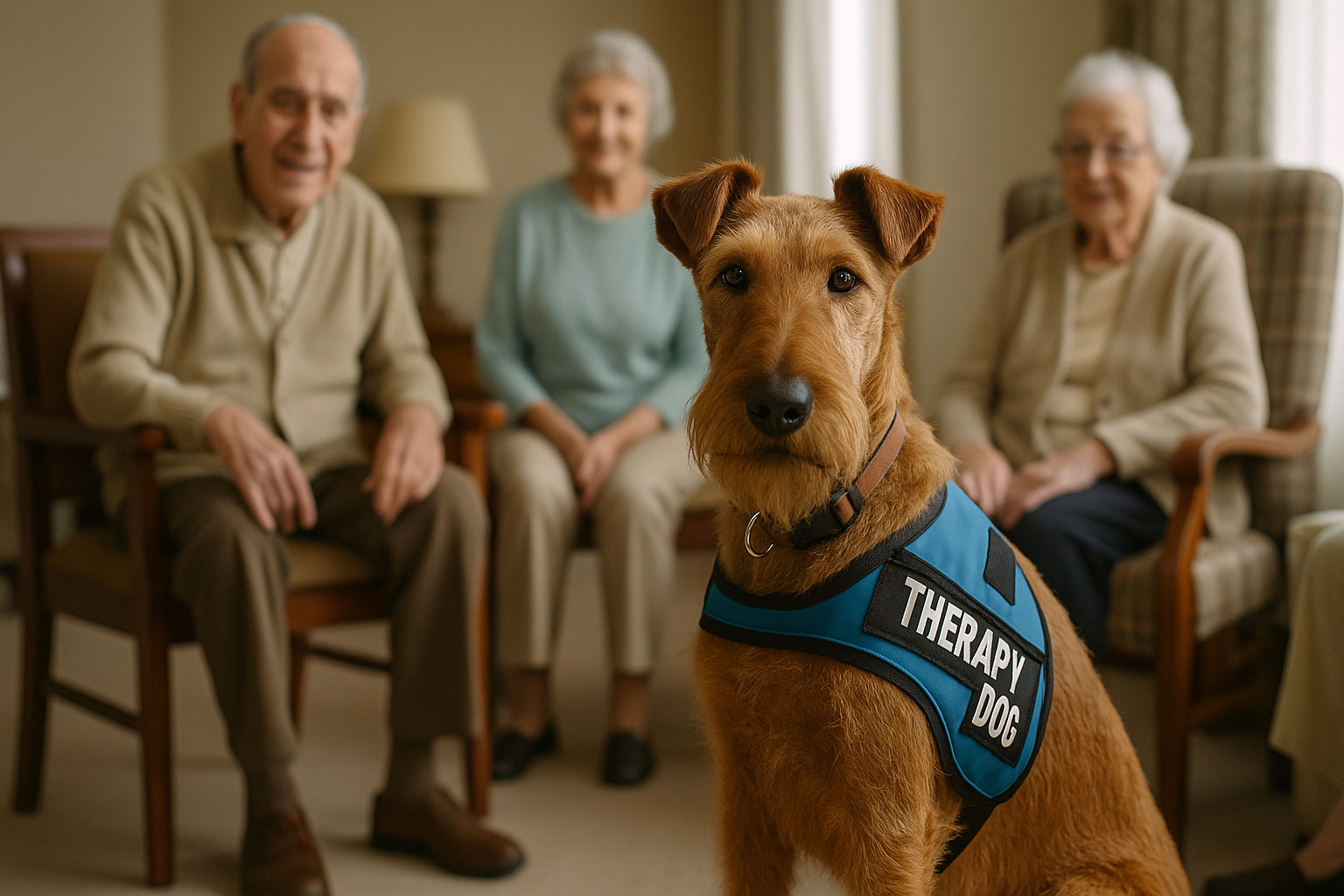
In the world of therapy dogs, the Irish Terrier presents a unique blend of characteristics that can make it an exceptional companion for those in need of emotional support and comfort. With their innate intelligence, lively spirit, and deep bond with humans, they have potential beyond their traditional roles as family pets. This article delves into the specifics of what makes the Irish Terrier a potentially great therapy dog while offering a comprehensive guide for those considering this breed for therapeutic purposes.
Irish Terrier as a Therapy Dog Overview
Understanding the Therapy Dog Role
Therapy dogs provide emotional support, comfort, and companionship to a wide range of people in various environments. These roles require specific traits, like patience, empathy, and the ability to remain calm under pressure. The Irish Terrier, with its affable and spirited nature, is a breed that can thrive in these settings when properly trained. They are not to be confused with service dogs, which perform specific tasks for individuals with disabilities; instead, therapy dogs support emotional well-being.
Physical Appearance and Energy Level
Irish Terriers are medium-sized dogs with a distinctive wiry coat and a dignified yet lively presence. Their energetic disposition is balanced by an athletic build, contributing to their ability to engage with different populations in a therapy setting. These dogs require regular exercise and mental stimulation, which can enhance their performance as therapy animals.
- Height: About 18 inches at the shoulder
- Weight: Typically between 25-27 pounds
- Coat: Dense, wiry, and red in color, requiring regular grooming to maintain health and cleanliness
Their manageable size and physical stamina are ideal for therapy sessions that involve interactive play or gentle companionship, ensuring they can participate actively without causing intimidation or discomfort.
Personality and Emotional Intelligence
Irish Terriers are known for their boldness, intelligence, and showing great affection towards their families. These traits translate well into a therapy context, as their natural curiosity and sharp intelligence allow them to pick up on emotional cues from their handlers and those they serve.
- Emotional Responsiveness: Strong ability to tune into human emotions
- Adaptability: Capable of adjusting to different settings and individuals
- Companionship: Strong bonds with handlers and those in their care, with a notable eagerness to please
This breed’s loyalty and protective instincts can be channeled into providing consistent and supportive therapy experiences, particularly effective in emotionally charged environments.
Environments Where Irish Terrier Excels
Irish Terriers can adapt to various environments, making them suitable for a range of therapy settings. Their confident and adaptable nature allows them to thrive in places like:
Register Any Breed
- Hospitals and Care Facilities: Their soothing presence can offer comfort to patients enduring long-term stays or those recovering from medical procedures.
- Schools and Special Education Institutions: Their playful and engaging demeanor can support children with special needs, helping promote interaction and socialization.
- Rehabilitation Centers: Their energy and empathy can uplift the spirits of individuals in recovery, encouraging participation in therapeutic activities.
Common Therapy Settings
Each of these environments requires specific behaviors and traits. In hospitals, the Irish Terrier's calmness and empathy are crucial as they engage with patients recovering from illness or surgery. In schools, their playful intelligence can help children with learning disabilities improve their social interactions. In rehabilitation centers, their loyalty and encouragement can aid physical therapy and emotional healing processes.
Interactions with Different Populations
The Irish Terrier interacts differently with adults, children, and older individuals, adapting its behavior to each demographic. Children often enjoy their playful and approachable nature, while adults and seniors might appreciate their loyalty and keen sense to recognize emotional needs.
- Children and Young People: Offers playfulness and affection; capable of promoting engagement and social learning.
- Adults and Veterans: Provides empathy and companionship, easing stresses related to mental health challenges.
- Seniors: Capable of offering gentle company and emotional stability, alleviating feelings of loneliness.
The emotional intelligence of this breed enables them to sense shifts in mood, providing targeted comfort where needed, enhancing their effectiveness as therapy dogs.
Health and Wellness Factors
Maintaining a healthy Irish Terrier is crucial for ensuring their performance and endurance as therapy dogs. Their well-being can directly influence their efficacy in providing support and companionship.
Lifespan and Common Health Issues
The Irish Terrier typically has a lifespan of 13-15 years, with general good health, although they may be prone to specific conditions:
- Skin Allergies: Regular grooming and checking for irritants can help manage allergic reactions.
- Hip Dysplasia: Routine vet visits and maintaining a healthy weight through diet and exercise are preventative measures.
- Eye Disorders: Regular eye check-ups can help identify and manage issues early.
A focus on preventive healthcare ensures that Irish Terriers remain active, healthy participants in therapy settings.
Maintenance and Care Needs
Grooming and general care for Irish Terriers require diligence to maintain their health and comfort in therapy environments:
- Coat Maintenance: Regular brushing and occasional professional grooming help keep their coat neat and skin healthy.
- Exercise Regimen: Daily walks and interactive play sessions meet their physical and mental needs, supporting their calm demeanor in therapy settings.
Investing in these aspects ensures the Irish Terrier remains a reliable and effective therapy dog.
Training and Certification Readiness
For therapy certification, Irish Terriers need not just general obedience training but special training that hones their ability to provide emotional support:
- Basic Obedience: Commands such as sit, stay, and come are foundational.
- Therapy-Specific Skills: Techniques to enhance their ability to remain calm and reassuring in unpredictable environments.
- Socialization: Interaction with various demographics to foster adaptability to different human behaviors and emotions.
Learning Style and Responsiveness
The Irish Terrier's intelligence makes them quick learners, although their independent streak can present challenges:
- Training Approach: Positive reinforcement is effective, helping build successful training outcomes.
- Responsiveness: Quick to respond to known commands; however, they require consistent and engaging training sessions to maintain focus.
Fostering these attributes supports their readiness for certifications necessary to function as therapy animals.
Handling Social and Emotional Stimuli
Irish Terriers are responsive to social and emotional stimuli, showcasing their potential to intuitively react to human emotional states:
- Empathic Detection: Able to sense and respond to stress or sadness, offering comfort.
- Social Adaptability: Interacts well in dynamic social settings, maintaining poise and providing reassurance.
Their ability to handle unexpected social situations makes them suitable for diverse therapy contexts, from classrooms to hospitals.
Strengths, Limitations, and Ideal Roles for Irish Terrier
Irish Terriers bring numerous strengths to the table as therapy dogs:
- Strengths: Loyalty, intelligence, empathy, and adaptability.
- Limitations: Stubbornness and need for consistent, rewarding training.
- Ideal Roles: Excellent for environments requiring interaction and engagement, such as educational settings and rehabilitation centers.
These traits ensure that when guided properly, the Irish Terrier can excel in a therapy role, providing consistent and uplifting support.
Final Thoughts
When considering the Irish Terrier as a therapy dog, it’s essential to evaluate both their strengths and the specific settings in which they are intended to serve. While their intelligence and loyalty offer significant benefits, their energy and needs for mental and physical exercise must be considered within the context of therapy work. With the right training and care, Irish Terriers can be invaluable allies in therapeutic settings, bringing joy, comfort, and healing to those in need.
Key Takeaways for the Irish Terrier as a Therapy Dog
- Best suited for: Educational institutions, rehabilitation centers, and environments needing enthusiastic engagement.
- Not ideal for: Settings where minimal interaction or complete calmness is required at all times.
- Temperament highlights: Loyal, intelligent, and empathetic, with an ability to tune into human emotions.
- Care and health notes: Regular grooming and exercise are vital; a focus on preventive healthcare ensures optimal performance.
- Therapy environments where they shine: Schools, veteran recovery programs, and environments conducive to active participation.
This guide aims to provide a thorough understanding of the Irish Terrier as a therapy dog, assisting trainers, volunteers, and healthcare professionals in making informed decisions about incorporating this breed into their therapeutic endeavors.


-
Public Access Kits
$149.00 Learn more This product has multiple variants. The options may be chosen on the product page -
Quick Ship Premium Vests
$48.00 – $82.00 Learn more This product has multiple variants. The options may be chosen on the product page -
Service Dog Bandana
$39.95 Learn more This product has multiple variants. The options may be chosen on the product page
Custom ID Cards

Custom ID Cards
Custom Service Dog Tags

Official Dog Vests

Smart Vests
Official Public Access Kits
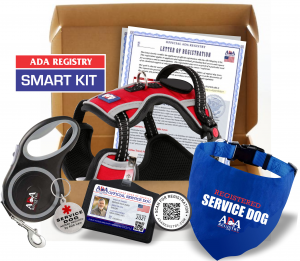
Complete Kits
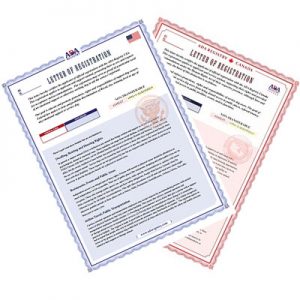
USA & CANADA Letters
High Quality Bandanas

Service Dog Tags
Smart Tags

ESA TAGS