Japanese Chin as a Therapy Dog
Register Any Breed
Japanese Chin as a Therapy Dog Overview
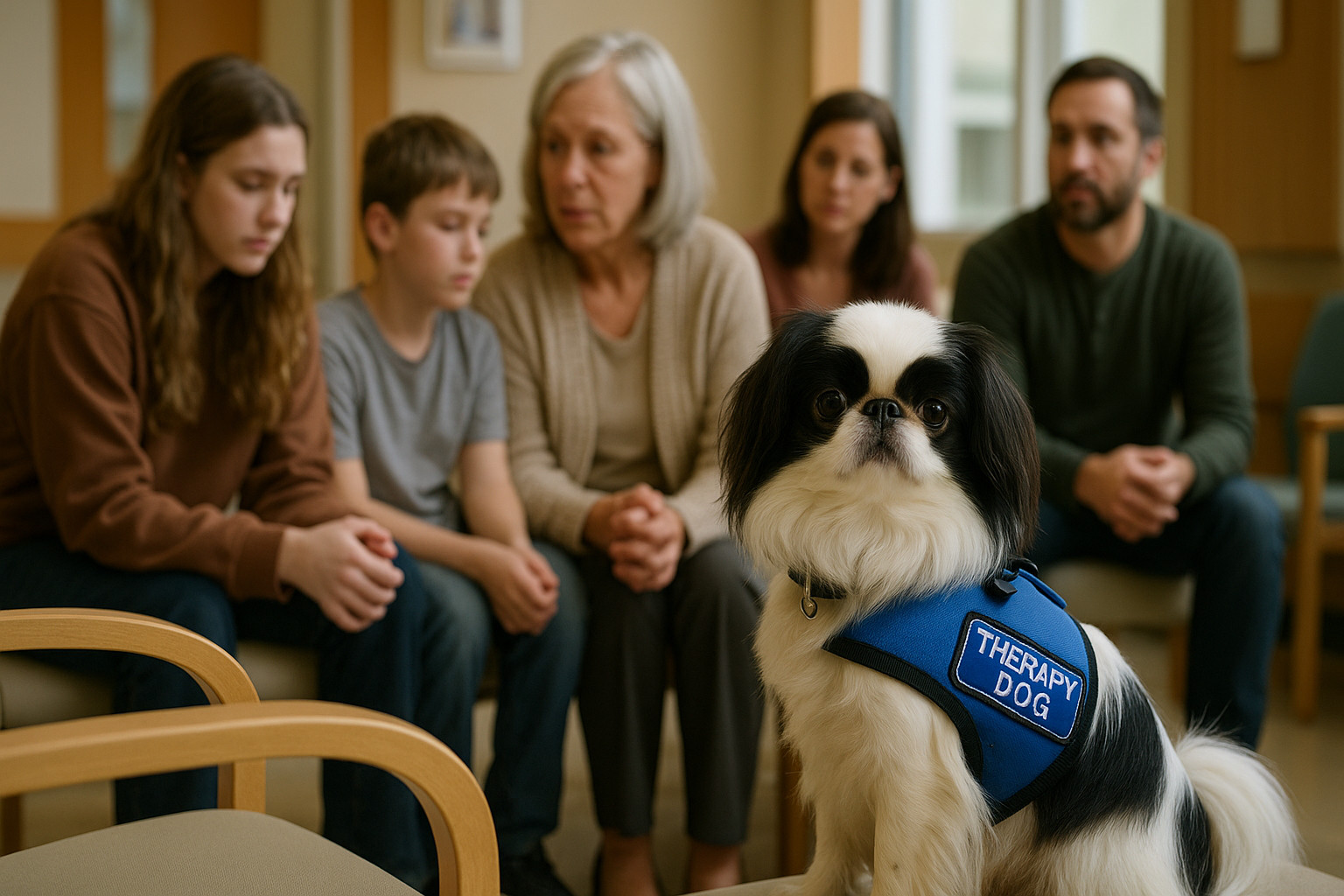
The Japanese Chin, a breed renowned for its elegant appearance and charming personality, offers unique potential as a therapy dog. Their small size and sociable nature make them adaptable companions capable of providing comfort and companionship in a variety of therapeutic settings. This article delves into the distinctive aspects of the Japanese Chin as a therapy dog, examining their traits, training requirements, and suitability for various environments.
Understanding the Therapy Dog Role
Therapy dogs play a critical role in emotional and psychological support through interactions designed to bring comfort and joy to those in need. Unlike service dogs, who perform specific tasks for individuals with disabilities, therapy dogs visit hospitals, schools, nursing homes, and other facilities to provide a general therapeutic presence. The Japanese Chin, with its affectionate demeanor and innate sensitivity, fits well into this role, providing an emotional boost to anyone they interact with.
Physical Appearance and Energy Level
The Japanese Chin is a petite and elegant dog, typically weighing between 4 to 9 pounds. Their energy levels are moderate, making them suitable for environments where a calm presence is required. These dogs exhibit graceful movements, enhancing their appeal during therapy visits. Their compact size allows them to comfortably sit in laps or on beds, encouraging gentle interaction and making them less intimidating to individuals who may be apprehensive about dogs.
Personality and Emotional Intelligence
One of the Japanese Chin’s most defining characteristics is their endearing personality. Known for their affectionate and friendly nature, they form strong bonds with humans. Their emotional intelligence is particularly noteworthy, as they are adept at detecting people's moods and responding appropriately, a crucial trait for a therapy dog. This breed’s proclivity for forming connections helps in fostering therapeutic relationships during sessions as they can provide comfort through touch and presence.
Environments Where Japanese Chin Excels
Japanese Chins thrive in environments that are calm and structured. Their size and temperament make them ideal for indoor settings, and they excel in spaces like:
- Hospitals: Offering comfort to patients during recovery or treatment.
- Nursing Homes: Providing companionship to the elderly, who may benefit from tactile interactions.
- Schools: Assisting children with stress reduction and school engagement through interaction.
- Rehabilitation Centers: Playing a role in emotional and physical therapy regimens by interacting gently during therapeutic exercises.
Common Therapy Settings
In therapy settings, the Japanese Chin’s adaptability shines. They can handle diverse atmospheres and participate in various programs, from one-on-one interactions to group therapy sessions. Their presence in a hospital room can reduce patient anxiety and promote healing through stress-relief. In schools, they can serve as reading companions, encouraging reluctant readers through their gentle and patient demeanor.
Interactions with Different Populations
Japanese Chins are incredibly versatile in their interactions with different populations. Their gentle disposition makes them suitable for both the young and old, and they adapt to body language cues and verbal communication with ease. When visiting nursing homes, their small stature allows them to easily be picked up or sit with residents, increasing interaction opportunities. In schools, their calming presence can assist children with disabilities or anxiety in developing social skills and confidence.
Register Any Breed
Health and Wellness Factors
While the Japanese Chin is generally a healthy breed, there are certain considerations to keep in mind when preparing them for a therapy role. Regular veterinary check-ups are crucial to maintain their health, as common issues that may arise include respiratory conditions due to their flat faces. Their luxurious coats require consistent grooming to ensure they remain clean and allergy-friendly when interacting with sensitive individuals.
Lifespan and Common Health Issues
The average lifespan of a Japanese Chin ranges from 10 to 12 years. Awareness of their common health issues is vital for maintaining their well-being as a therapy dog. These issues can include:
- Patellar Luxation: A knee condition common in small breeds.
- Heart Murmurs: Regular checks can catch problems early.
- Eye Problems: Due to prominent, delicate eyes, they require frequent monitoring and care.
Proactive care and management of these health concerns ensure that the Japanese Chin remains capable of their therapy duties throughout their life.
Maintenance and Care Needs
Due to their long, flowing coats, Japanese Chins require regular grooming. This not only keeps them looking their best visually but also plays a part in their hygiene. Regular brushing can prevent matting and reduce shedding, which is beneficial in maintaining allergy-friendly environments. Their grooming routine also includes regular teeth cleaning and nail trimming.
Training and Certification Readiness
Training a Japanese Chin for therapy work involves understanding their learning style and leveraging their natural inclinations. They are intelligent and quick learners, responding well to positive reinforcement methods. However, their sometimes independent streak may require patience during training sessions. Certification programs often require a rigorous assessment of temperament, including the ability to remain calm in high-stress situations, which this breed can capably handle with the correct guidance.
Learning Style and Responsiveness
Japanese Chins are known for their keen responsiveness to training, as their intelligence allows them to understand commands quickly. Training should focus on socialization and obedience, ensuring they are accustomed to different environments and people. Techniques that emphasize praise and treats tend to work exceptionally well given their eagerness to please their handlers.
Handling Social and Emotional Stimuli
In therapy situations, Japanese Chins display commendable abilities to handle emotional stimuli. They are extraordinarily empathetic, often sensing and mirroring the emotions of those around them. This breeds a therapeutic process where they can soothe agitated minds with their tranquil demeanor. Handlers must ensure these dogs receive regular breaks to avoid overstimulation, which could lead to stress or anxiety.
Strengths, Limitations, and Ideal Roles for Japanese Chin
The strengths of the Japanese Chin as a therapy dog are primarily found in their empathy, size, and adaptability. They are perfectly suited for roles requiring emotional support and tactile interaction due to their becoming demeanor and gentleness. Their limitations, however, include a predisposition to certain health issues and a need for regular grooming, which could restrict time spent in active therapy roles without proper care.
Final Thoughts
The Japanese Chin, with its poised presence and affectionate nature, holds considerable promise as a therapy dog. Their intrinsic ability to connect emotionally with people, combined with appropriate care and training, makes them effective in therapeutic settings. While they require commitment in grooming and health monitoring, the rewards they offer in their capacity to improve the quality of life for those they visit are immeasurable.
Key Takeaways for the Japanese Chin as a Therapy Dog
- Best suited for: Calm therapeutic environments, one-on-one patient interaction, environments that require small, gentle dogs.
- Not ideal for: Highly active or noisy therapy settings, environments with extensive need for physical tasks.
- Temperament highlights: Affectionate, gentle, adaptable to new situations, emotionally intelligent.
- Care and health notes: Regular grooming needed, watch for common small breed health issues.
- Therapy environments where they shine: Hospitals, nursing homes, schools, and rehabilitation centers.
This article is designed to serve as a reliable guide for therapy dog trainers, volunteers, and healthcare professionals seeking to understand the potential of the Japanese Chin in therapy contexts.


-
Public Access Kits
$149.00 Learn more This product has multiple variants. The options may be chosen on the product page -
Quick Ship Premium Vests
$48.00 – $82.00 Learn more This product has multiple variants. The options may be chosen on the product page -
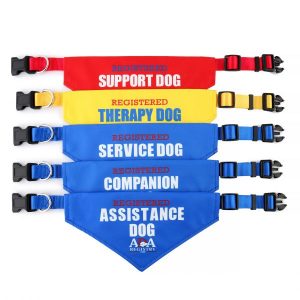
Service Dog Bandana
$39.95 Learn more This product has multiple variants. The options may be chosen on the product page
Custom ID Cards

Custom ID Cards
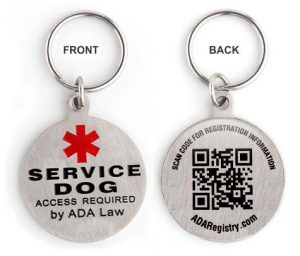
Custom Service Dog Tags
Official Dog Vests

Smart Vests
Official Public Access Kits
Complete Kits
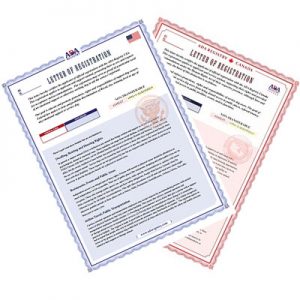
USA & CANADA Letters
High Quality Bandanas
Service Dog Tags
Smart Tags

ESA TAGS