Maltese as a Therapy Dog

Register Any Breed
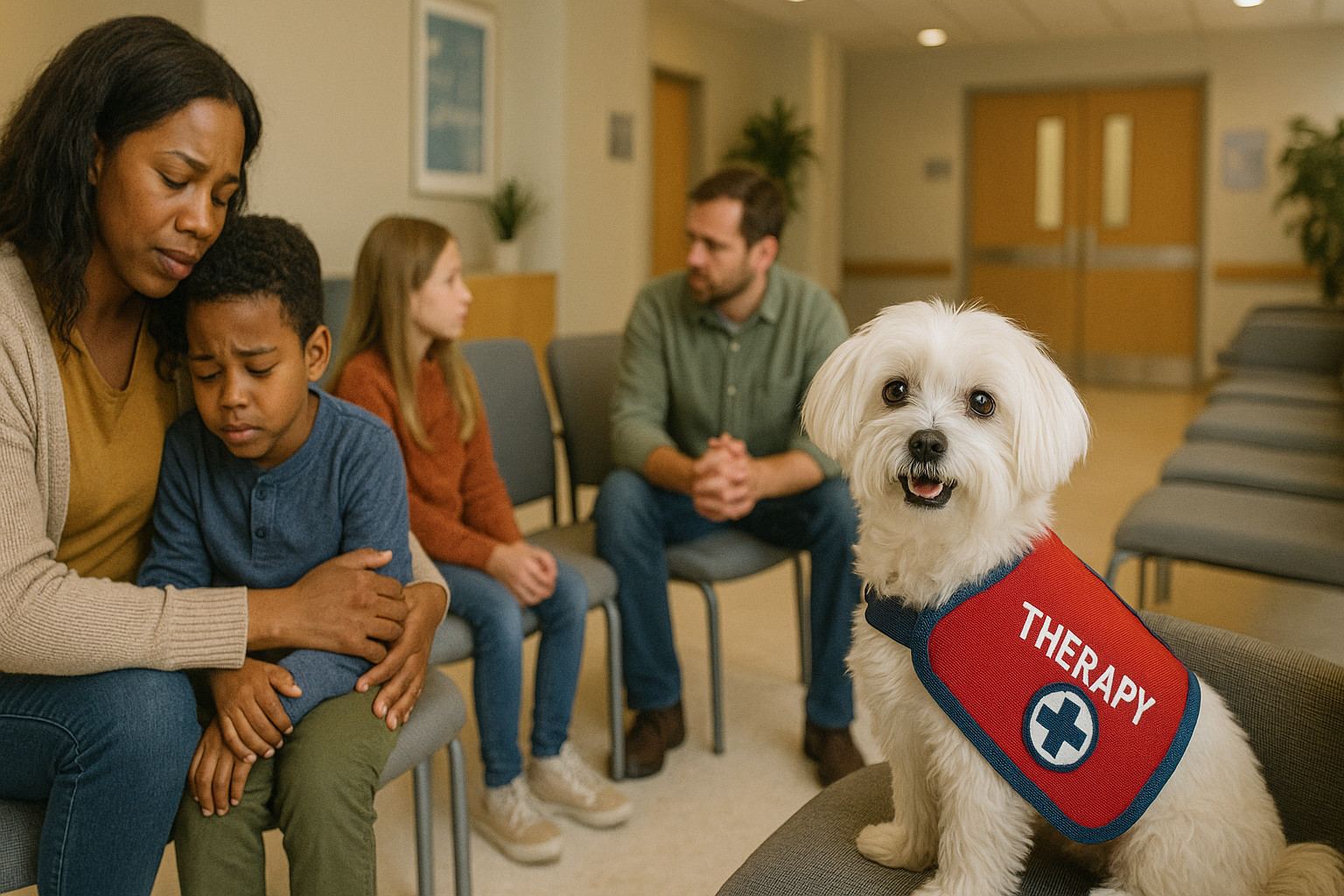
The Maltese dog breed, known for its gentle demeanor and elegant appearance, has long captivated dog enthusiasts. Though traditionally appreciated as a companion dog, the Maltese also possesses qualities that make it a suitable candidate for therapy work. This article delves into the Maltese's potential as a therapy dog, examining the breed's suitability, strengths, limitations, and the environments where it can excel.
Maltese as a Therapy Dog Overview
Therapy dogs play an essential role in providing comfort and emotional support to individuals in various settings, such as hospitals, therapy centers, and schools. The Maltese, with its affectionate nature and endearing personality, has attributes that align with the demands of this role. In this article, we'll explore the characteristics that make Maltese particularly adept in therapy settings and their potential impact on therapy recipients.
Understanding the Therapy Dog Role
Therapy dogs have a unique task: offering emotional support and comfort to enhance the well-being of various individuals. Unlike service dogs, they do not have specific tasks to perform; instead, they are there to be present, calm, and engaging.
- Empathy and Bonding: Maltese dogs possess an innate ability to form strong emotional bonds, providing a deep sense of empathy to those around them. Their sociable nature makes them skilled at perceiving and responding to human emotions, which is crucial for therapy roles.
- Calmness and Stability: Known for their calm demeanor, Maltese dogs can maintain their composure in emotionally charged or stressful environments. Their ability to remain steady and composed provides a grounding force for individuals in therapeutic settings.
- Adaptability: Maltese dogs can adapt to various environments, making them versatile companions in diverse therapy contexts.
Physical Appearance and Energy Level
One of the defining features of the Maltese breed is their small size and elegant, hypoallergenic coat. These physical traits are advantageous for therapy work:
- Size and Portability: Being small and lightweight, Maltese are easy to transport to different locations, whether it be hospitals, schools, or nursing homes. Their size also allows them to be held or sit on a patient’s lap comfortably, providing close-contact comfort.
- Energy Levels: Maltese dogs have moderate energy levels, which are perfect for therapy settings. Their calm yet playful disposition strikes a balance, allowing them to engage with patients without becoming overactive or overwhelming.
Personality and Emotional Intelligence
The Maltese breed is known for its affectionate and friendly nature, which plays a crucial role in therapy success:
- Affectionate Nature: Maltese are naturally loving dogs that thrive on human interaction. Their desire for social engagement makes them effective in offering companionship to therapy recipients.
- Emotional Intelligence: Maltese dogs are highly attuned to human emotions, allowing them to respond appropriately to the emotional needs of individuals. Their ability to intuitively sense distress makes them perfect for emotional support.
Environments Where Maltese Excels
Maltese dogs can thrive in a range of therapeutic environments, including:
- Hospitals: Their calm, affectionate nature suits hospital settings, where they can provide comfort to patients and reduce stress and anxiety.
- Schools: Maltese can excel in schools, particularly in reading programs where they help children build confidence. Their gentle demeanor helps create a relaxing atmosphere conducive to learning.
- Rehabilitation Centers: In rehab centers, their companionship can encourage resilience and motivate patients during recovery or therapy.
Common Therapy Settings
Specific therapy settings where Maltese are particularly effective include:
Register Any Breed
- Senior Living Facilities: Their gentle nature and low exercise needs make Maltese ideal for providing companionship to the elderly.
- Child Therapy Sessions: The Maltese’s small size and gentle behavior allow them to interact safely with children, providing comfort and support.
Interactions with Different Populations
Maltese dogs adapt well to interacting with diverse populations. Their ability to modulate their behavior according to the needs of different individuals enhances their effectiveness:
- With Children: Maltese are patient and gentle, serving as great companions for children who require emotional support. Their size and temperament ensure safe interaction.
- With Older Adults: They offer tranquility and companionship, reducing feelings of isolation or loneliness commonly experienced by the elderly.
- With Individuals with Disabilities: Their understanding and calm presence can provide an emotional anchor, helping individuals feel more at ease and content.
Health and Wellness Factors
Maintaining the health and wellness of a Maltese dog is essential to ensure its effectiveness in therapy roles:
- Coat Maintenance: Regular grooming is necessary to keep their long coat in optimal condition, ensuring hygiene and comfort during interactions.
- Health Monitoring: Monitoring for common health issues such as dental problems and allergies can prevent discomfort, ensuring visits remain positive experiences for both the dog and recipients.
Lifespan and Common Health Issues
Maltese dogs typically enjoy a lifespan of around 12-15 years. However, like all breeds, they are prone to certain health issues that need consideration:
- Common Health Issues: Maltese may experience dental issues, which require regular veterinary check-ups. Additionally, they can suffer from patellar luxation and progressive retinal atrophy.
- Preventative Care: Consistent veterinary care and a balanced diet can mitigate health risks, ensuring the dog remains fit for therapy work throughout its life.
Maintenance and Care Needs
The Maltese requires specific care considerations to maintain well-being and effectiveness in therapy settings:
- Grooming Needs: Regular grooming sessions are essential to prevent mats and tangles in their long coats. Maintaining their coat promotes hygiene, which is crucial when visiting sensitive environments.
- Exercise Needs: While they are not overly active, Maltese still require daily walks to maintain fitness. This ensures they are healthy, happy, and ready to provide therapy services.
Training and Certification Readiness
Training and certification are critical components for Maltese dogs working in therapy roles:
- Socialization and Training: Early socialization and obedience training enhance a Maltese's responsiveness and ability to cope in therapy settings.
- Certification Programs: Completing therapy dog certification programs prepares Maltese not only in behavioral commands but also in handling various stimuli encountered during visits.
Learning Style and Responsiveness
The Maltese's intelligence and responsiveness to training are advantageous for therapy work:
- Quick Learners: Maltese are eager to please, learning commands swiftly and adapting to new situations.
- Consistency: Consistent training with positive reinforcement ensures they understand boundaries and expectations in therapy environments.
Handling Social and Emotional Stimuli
A therapy dog's effectiveness depends on its ability to handle different stimuli:
- Emotional Sensitivity: Maltese can sense emotional cues from humans, enabling them to provide appropriate reactions, whether through calm presence or playful interaction.
- Environmental Adaptability: Their ability to remain composed amid diverse stimuli makes them reliable in various therapy settings.
Strengths, Limitations, and Ideal Roles for Maltese
Understanding where Maltese excel and their limitations helps define their ideal roles:
- Strengths: Their compassion, adaptability, and gentle nature make them excellent in emotional support roles across varied settings.
- Limitations: Their grooming needs and potential separation anxiety require consideration when determining work capacity and frequency.
- Ideal Roles: Providing emotional support in schools for children, companionship in nursing homes, and motivational presence in rehabilitation centers.
Final Thoughts
The Maltese's compassionate nature, adaptability, and affinity for human interaction underscore its potential as an exceptional therapy dog. When cared for appropriately and with proper training, the Maltese can transform lives by offering warmth, emotional support, and profound companionship across multiple therapeutic settings.
Key Takeaways for the Maltese as a Therapy Dog
- Best suited for: Emotional support roles in schools, hospitals, and senior living facilities.
- Not ideal for: Environments requiring high physical demands or extended periods without companionship.
- Temperament highlights: Affectionate, emotionally intelligent, adaptable, and calm.
- Care and health notes: Regular grooming and health checks are essential for maintaining condition; prone to dental and eye issues.
- Therapy environments where they shine: Schools, child therapy sessions, senior living facilities, and rehabilitation centers.
The Maltese is a gentle guide, ready to enrich the lives of those it touches with genuine affection and presence, making it a cherished member of any therapeutic setting.


-
Public Access Kits
$149.00 Learn more This product has multiple variants. The options may be chosen on the product page -
Quick Ship Premium Vests
$48.00 – $82.00 Learn more This product has multiple variants. The options may be chosen on the product page -
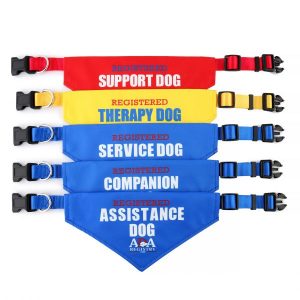
Service Dog Bandana
$39.95 Learn more This product has multiple variants. The options may be chosen on the product page

Custom ID Cards

Custom ID Cards
Custom Service Dog Tags
Official Dog Vests
Smart Vests
Official Public Access Kits
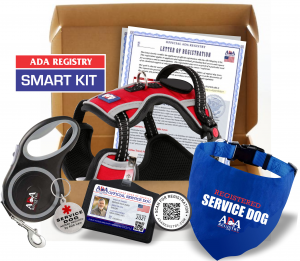
Complete Kits
USA & CANADA Letters

High Quality Bandanas
Service Dog Tags
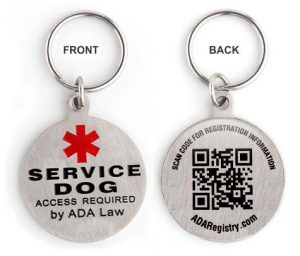
Smart Tags

ESA TAGS