Mastiff as a Therapy Dog
Register Any Breed
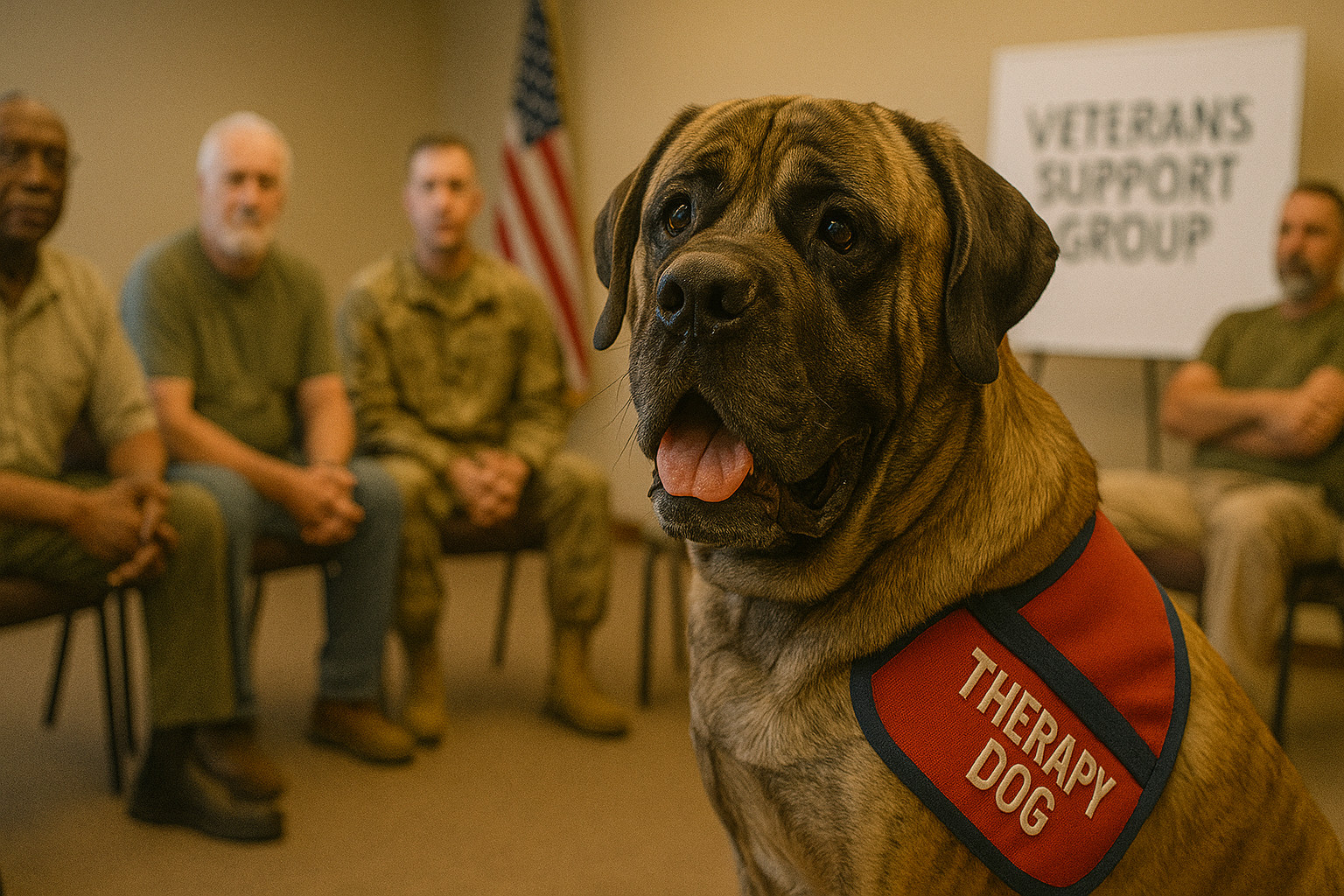
Therapy dogs bring comfort, joy, and healing to individuals in various settings. Among the myriad breeds suited for this role, the Mastiff stands out due to its gentle nature and substantial presence. This article will explore the potential, strengths, and considerations of using a Mastiff as a therapy dog.
Mastiff as a Therapy Dog Overview
The Mastiff, known for its imposing size and gentle demeanor, is increasingly recognized as a valuable asset in therapy settings. This overview outlines the breed’s characteristics that make it a suitable candidate for therapy work.
Understanding the Therapy Dog Role
Therapy dogs offer emotional support, reduce stress, and promote well-being through their interactions. Unlike service dogs, whose roles are tailored to individual needs, therapy dogs assist a broader audience across varied environments. Mastiffs, with their calm and composed nature, excel in creating a sense of security and warmth embraced by many needing comfort.
Physical Appearance and Energy Level
Mastiffs are one of the largest dog breeds, often weighing between 120 and 230 pounds. Despite their size, they are known for their low to moderate energy levels, which allows them to remain calm and composed in therapeutic settings. Their substantial size can be both a comfort and a limitation; while their presence is reassuring, their size can be intimidating to some individuals at first.
- Empathy and Calmness: They exhibit a stable and gentle disposition that helps in creating a soothing environment.
- Adaptability: Their low-energy demeanor allows them to remain composed even in chaotic or high-stress environments.
Personality and Emotional Intelligence
Mastiffs are renowned for their loyalty, kindness, and sensitivity. Their emotional intelligence enables them to perceive human emotions effectively, which is vital in their role as therapy dogs. They are incredibly attuned to human emotions, often exhibiting comforting behavior when they sense distress.
- Sensitivity to Emotions: They often respond instinctively to sadness or anxiety, offering a reassuring presence.
- Loyalty and Affection: Known for their affectionate nature, they build strong bonds with individuals quickly, enhancing their therapy effectiveness.
Environments Where Mastiff Excels
The Mastiff’s temperament and size make them particularly suitable for specific therapy settings. Their calming presence is beneficial in environments that require patience and empathy.
Common Therapy Settings
Mastiffs perform exceptionally in the following settings due to their calming and reassuring nature:
Register Any Breed
- Hospitals: Their presence in healthcare settings offers emotional support, easing patient anxiety and promoting faster recovery.
- Rehabilitation Centers: They provide motivation and emotional support to individuals recovering from physical or psychological trauma.
- Schools: Their ability to remain calm makes them ideal for helping children with emotional or behavioral challenges.
Interactions with Different Populations
Due to their adaptable nature, Mastiffs interact well with diverse populations, including children, the elderly, and individuals with disabilities. Their gentle demeanor ensures safe and effective therapy sessions.
- With Children: Their patience and gentle nature make them ideal companions for children requiring emotional support.
- With the Elderly: Their stability and calm presence are comforting to the elderly, rekindling emotional connections and alleviating loneliness.
- With Individuals with Disabilities: Their attentive and non-judgmental presence encourages communication and emotional expression.
Health and Wellness Factors
Maintaining the health and well-being of a Mastiff is crucial in ensuring their effectiveness as therapy dogs. Several factors contribute to their overall ability to perform their tasks effectively.
Lifespan and Common Health Issues
Mastiffs typically live between 6 to 10 years. They are prone to certain health issues that can affect their ability to perform as therapy dogs, though regular veterinary care can address these concerns.
- Common Health Issues: Hip dysplasia, heart issues, and joint problems are prevalent in Mastiffs and may require regular health checks.
- Implications for Therapy Work: Regular veterinary visits ensure that Mastiffs remain fit for therapy roles, minimizing their time off from work due to ailments.
Maintenance and Care Needs
Mastiffs require regular grooming, which includes brushing to keep their coat clean and healthy. Their size necessitates regular physical examinations to ensure that they are fit to perform their therapy roles.
- Grooming Requirements: Regular brushing and dental hygiene are essential for their well-being.
- Exercise Needs: Moderate exercise supports their physical health without overexerting them due to their predisposition to joint issues.
Training and Certification Readiness
The Mastiff’s intelligence and willingness to please make them highly trainable for therapy roles. Their training should focus on acclimating them to various therapy environments and stimuli.
Learning Style and Responsiveness
Mastiffs respond well to positive reinforcement and consistent training practices. Their desire to please their handlers and gentle nature aids in their swift adaptation to therapy training.
- Training Techniques: Employing positive reinforcement improves compliance and builds trust.
- Adaptability to Training: Their calm demeanor allows them to adapt quickly to various therapeutic scenarios through structured training programs.
Handling Social and Emotional Stimuli
Mastiffs exhibit exceptional emotional steadiness, enabling them to handle various social and emotional stimuli with ease. Their steadfast temperament makes them reliable in fluctuating environments.
- Social Behavior: Their ability to remain calm makes them ideally suited to environments where emotional tensions are high.
- Emotional Responsiveness: Their capacity to sense and respond to emotions enhances their effectiveness in intuitive comforting roles.
Strengths, Limitations, and Ideal Roles for Mastiff
Mastiffs bring a unique set of strengths to therapy roles, paired with some limitations that must be considered for their effective deployment.
- Strengths: Calm, gentle, and emotionally intelligent, Mastiffs are valuable assets in therapy roles.
- Limitations: Their size may be intimidating, and they can suffer from health problems affecting their mobility and longevity.
- Ideal Roles: They excel in environments where tranquility and emotional support are primary needs, such as hospitals, rehabilitation centers, and senior homes.
Final Thoughts
Mastiffs are magnificent therapy dogs whose gentle nature and emotional intelligence make them well-suited to various therapy environments. While their size and potential health issues require special consideration, their capacity for empathy and comfort can profoundly influence those they serve.
Key Takeaways for the Mastiff as a Therapy Dog
- Best suited for: Hospitals, rehabilitation centers, and environments needing emotional support.
- Not ideal for: High-intensity therapy environments where mobility and agility are key.
- Temperament highlights: Calm, gentle, empathetic, and emotionally intelligent.
- Care and health notes: Regular health checks and moderate exercise are essential to maintain their therapy work readiness.
- Therapy environments where they shine: Hospitals, schools, and senior homes, where their calming presence offers significant therapeutic benefits.


-
Public Access Kits
$149.00 Learn more This product has multiple variants. The options may be chosen on the product page -
Quick Ship Premium Vests
$48.00 – $82.00 Learn more This product has multiple variants. The options may be chosen on the product page -
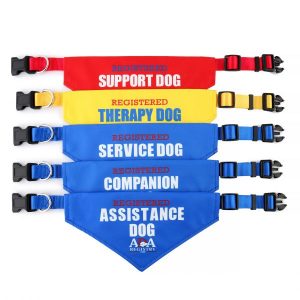
Service Dog Bandana
$39.95 Learn more This product has multiple variants. The options may be chosen on the product page
Custom ID Cards

Custom ID Cards
Custom Service Dog Tags
Official Dog Vests

Smart Vests
Official Public Access Kits
Complete Kits
USA & CANADA Letters

High Quality Bandanas
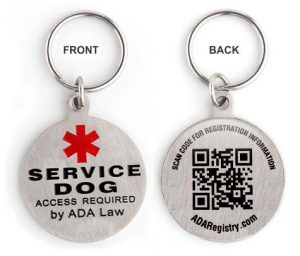
Service Dog Tags
Smart Tags

ESA TAGS