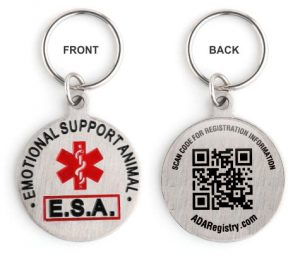
Mudi as a Therapy Dog
Register Any Breed
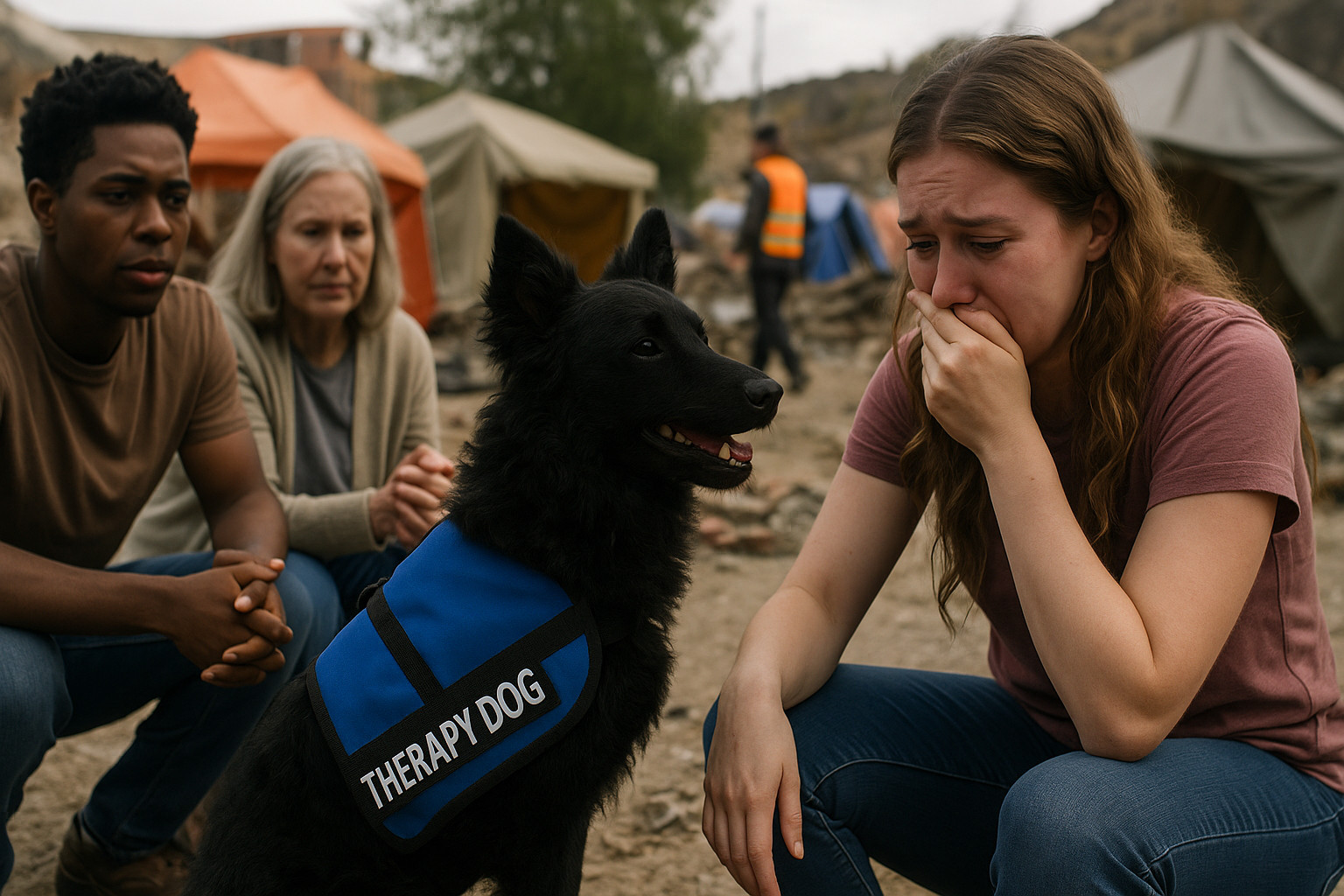
Mudi as a Therapy Dog Overview
The Mudi, a lesser-known breed noted for its intelligence and eagerness to work, is gaining recognition in animal-assisted therapy. Originating from Hungary and traditionally serving as sheepdogs, Mudis possess an extraordinary blend of physical and psychological characteristics that can contribute significantly to therapeutic environments. This article explores the potential of Mudi dogs in therapy settings, examining their unique traits and how they can impact therapy success.
Understanding the Therapy Dog Role
Therapy dogs are crucial in offering emotional support, comfort, and relief to individuals in clinical and social settings. Unlike service dogs, whose primary responsibilities revolve around performing specific tasks for individuals with disabilities, therapy dogs provide therapeutic benefits to a broader audience. In therapy settings, a dog's calm demeanor, empathy, and ability to respond to human emotions play an essential role.
Physical Appearance and Energy Level
The Mudi is a medium-sized dog with a muscular build and a distinctive curly coat, often found in various colors including black, merle, and white. Their agile and energetic nature, inherited from their herding background, makes them highly active and alert. These physical attributes, alongside their boundless energy, can be harnessed positively in therapy settings where physical engagement plays a role.
- Energy management: In therapeutic environments, Mudis require structured activities to keep their energy in check without overwhelming individuals.
- Stamina for visits: Their endurance enables them to participate in longer or consecutive therapy sessions without losing interest or becoming fatigued.
Personality and Emotional Intelligence
The Mudi's intelligence and sensitivity are standout features that make them suitable for therapy work. Known for their intense loyalty and strong bonds with human companions, they exhibit exceptional emotional intelligence.
- Empathy: Mudis can sense emotional shifts in people, which can be pivotal in settings where emotional support is needed.
- Adaptability: Their ability to quickly adjust to various environments and situations is a compliment to therapy dynamics requiring flexibility.
Environments Where Mudi Excels
Therapy dogs encounter diverse environments, each requiring different skill sets. Mudis have shown particular prowess in specific settings due to their attributes.
- Hospitals and healthcare facilities: Their calming presence can ease the anxiety of patients and staff alike.
- Schools and educational programs: Their playful nature can engage and motivate children, especially those with learning or social challenges.
- Rehabilitation centers: Their energetic and encouraging demeanor helps motivate endurance and participation in recovery exercises.
Common Therapy Settings
Typically, therapy dogs serve in various capacities such as comforting patients in medical facilities, easing stress in academic settings, and assisting clinicians during therapy sessions.
- Pediatric clinics: Their friendly and non-threatening appearance makes them approachable for children.
- Elderly care facilities: Their companionship can reduce feelings of loneliness and depression among seniors.
Interactions with Different Populations
The Mudi's interactions with diverse groups show a marked adaptability that is essential for effective therapy work.
Register Any Breed
- Children: Their playful yet gentle disposition fosters positive interactions, encouraging communication and emotional expression.
- Adults and seniors: Mudis provide calm companionship that is particularly beneficial for stress-relief and emotional support.
Health and Wellness Factors
Considerations around the health and wellness of therapy dogs are crucial to ensure their longevity and ability to perform their roles effectively.
Lifespan and Common Health Issues
The Mudi typically enjoys a lifespan of 12-14 years, with relatively few breed-specific health issues. However, as with any breed, potential health concerns should be monitored.
- Joint health: Regular exercise and weight management can prevent joint-related problems.
- Coat care: Their coat requires minimal grooming, but regular checks for skin health are advisable to prevent issues that might affect their appearance or comfort.
Maintenance and Care Needs
Maintaining a Mudi in optimal condition for therapy work involves attention to their physical and emotional needs.
- Grooming: Their low-maintenance coat requires occasional brushing to keep it healthy and free of tangles.
- Mental stimulation: Providing activities that challenge their intelligence helps keep them satisfied and prevents boredom.
Training and Certification Readiness
Training plays a critical role in preparing a Mudi for therapy certification. Their intelligence and eagerness to please make them quick learners, although individual attention tailored to their learning style is essential.
Learning Style and Responsiveness
Mudis are highly trainable due to their quick learning abilities and responsiveness to commands. Positive reinforcement methods yield excellent results.
- Command mastery: Consistent training helps in perfecting obedience commands essential for therapy work.
- Socialization: Exposure to varied environments and people ensures they remain well-adjusted and responsive in different settings.
Handling Social and Emotional Stimuli
Mudis thrive on social interaction and have demonstrated capability in emotionally charged environments. Handling various stimuli without becoming overwhelmed is critical.
- Calmness under stress: Their ability to remain composed amidst chaotic environments makes them reliable companions.
- Emotional connectivity: They can form strong emotional bonds that enhance their therapeutic value across a range of interactions.
Strengths, Limitations, and Ideal Roles for Mudi
Every breed has strengths and limitations that shape their effectiveness as therapy dogs. The Mudi's attributes make them well-suited for certain roles while presenting challenges in others.
- Strengths: Their intelligence, agility, and emotional sensitivity make them adept at versatile therapy roles.
- Limitations: Their energy levels may require extra management in very quiet or sedentary environments.
- Ideal roles: Mudis excel in dynamic settings like schools or rehabilitation centers where their energy can be a positive asset.
Final Thoughts
The Mudi, with its combination of intelligence, empathy, and energy, shows potential as a highly effective therapy dog. While they may require careful management of their energy levels, their capacity to connect emotionally with humans makes them an invaluable asset in therapy settings. Their versatility and intuitive nature position them well in a variety of therapeutic environments, contributing to their increasing popularity in animal-assisted interventions.
Key Takeaways for the Mudi as a Therapy Dog
- Best suited for: Dynamic and interactive therapy settings such as schools and rehabilitation centers.
- Not ideal for: Very quiet or sedentary environments that might not match their high energy levels.
- Temperament highlights: Empathetic, adaptable, and highly responsive.
- Care and health notes: Requires regular physical and mental exercise and basic grooming to ensure health and well-being.
- Therapy environments where they shine: Hospitals, schools, and rehabilitation centers where their energy and emotional intelligence can be capitalized on effectively.
By understanding and catering to their unique traits, the Mudi can become an outstanding therapy dog, providing unmatched support and joy to those in need.


-
Public Access Kits
$149.00 Learn more This product has multiple variants. The options may be chosen on the product page -
Quick Ship Premium Vests
$48.00 – $82.00 Learn more This product has multiple variants. The options may be chosen on the product page -
Service Dog Bandana
$39.95 Learn more This product has multiple variants. The options may be chosen on the product page
Custom ID Cards

Custom ID Cards
Custom Service Dog Tags
Official Dog Vests
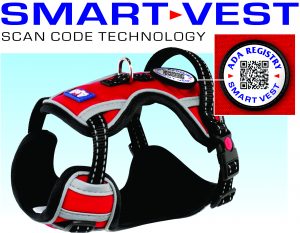
Smart Vests
Official Public Access Kits
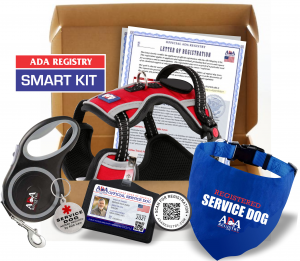
Complete Kits
USA & CANADA Letters

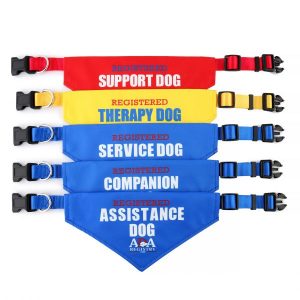
High Quality Bandanas
Service Dog Tags
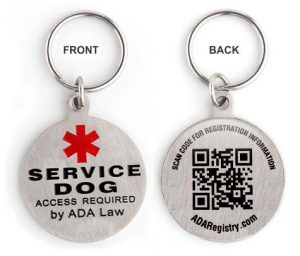
Smart Tags

ESA TAGS