Otterhound as a Therapy Dog
Register Any Breed
Otterhound as a Therapy Dog Overview
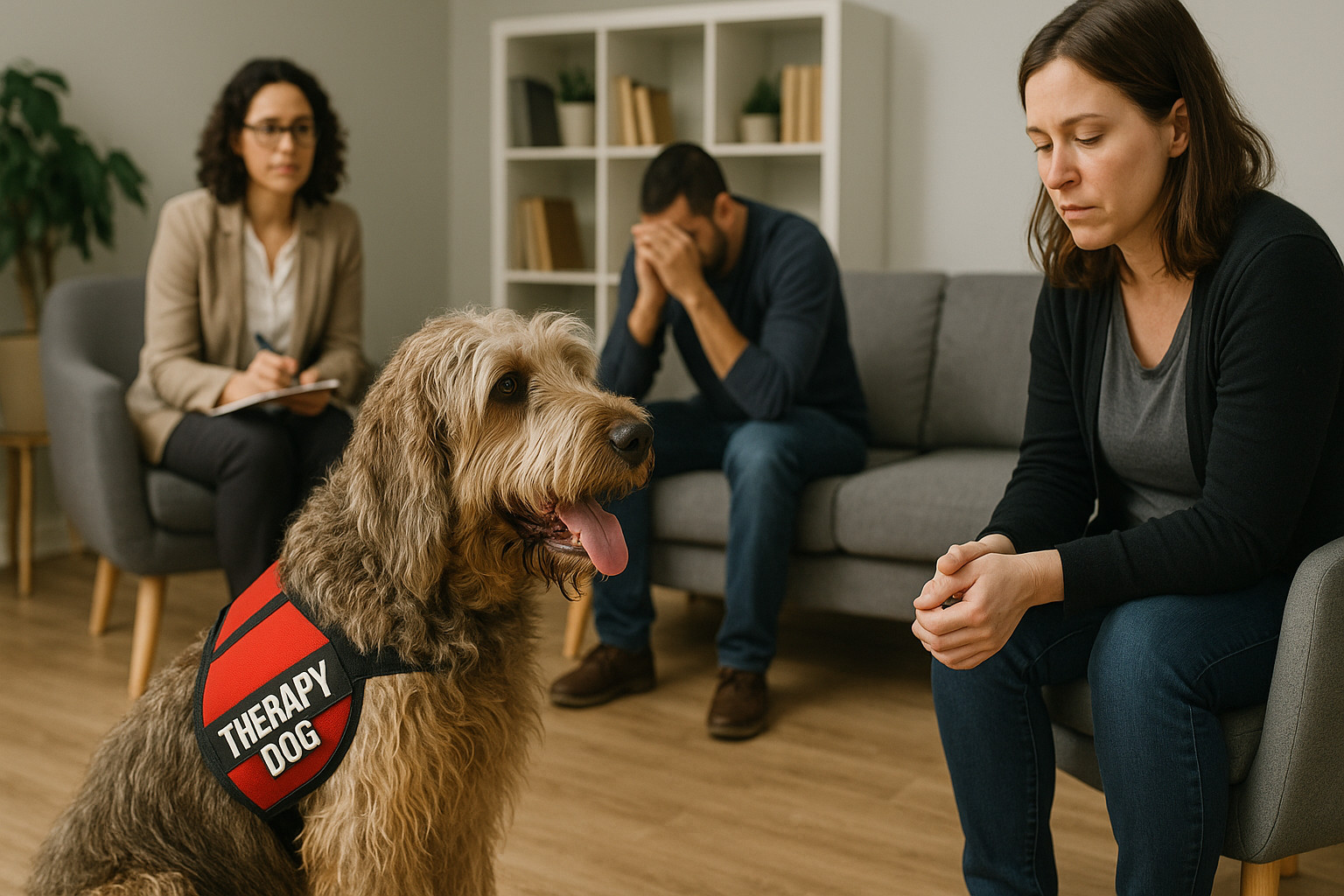
The Otterhound is a large, amiable breed with a rich history extending back to medieval Britain. Initially bred for hunting otters, these dogs possess a distinct combination of strength, intelligence, and gentle demeanor, making them splendid candidates for therapy work. As therapy dogs, Otterhounds are seen to provide emotional comfort, companionship, and a unique touch of joy to individuals in various environments such as hospitals, nursing homes, and schools. This article explores the multifaceted attributes of the Otterhound in the context of therapy dog roles.
Understanding the Therapy Dog Role
Therapy dogs are trained to provide affection and comfort to individuals in various settings — such as hospitals, schools, and rehabilitation centers — to improve mental and emotional health. Their role is vastly different from service dogs that perform specific tasks for one individual with a disability. Therapy dogs encompass qualities like empathy, patience, and an inherently calm demeanor, which enables them to effectively assist people undergoing emotional or physical hardships.
Physical Appearance and Energy Level
With a weight ranging from 80 to 115 pounds and standing between 24 to 27 inches at the shoulder, the Otterhound is a large breed characterized by a rugged, weather-resistant double coat and webbed feet. Their physical structure allows them to excel in environments where tactile interaction is beneficial for therapy recipients. Their energy level balances between active and calm, ideal when on-the-go settings contrast with quieter therapeutic spaces:
- Natural energy reserves: Allows them to adapt to both active and passive sessions.
- Distinctive appearance: Their large, friendly appearance often helps in breaking the ice with individuals who may initially be apprehensive around dogs.
Personality and Emotional Intelligence
The Otterhound’s temperament is both friendly and determined, key traits for therapy dogs. They are known for their good-natured disposition, making them less likely to react negatively in stressful situations. Their emotional intelligence is marked by a keen ability to sense human emotion and respond appropriately:
- Empathy: Demonstrates a high level of sensitivity to human emotions, showing comfort through presence and gentle interaction.
- Patience: Essential when dealing with diverse human behaviors, especially beneficial in settings like schools or elderly care facilities.
- Adaptability: Versatile in new environments, which supports their role in various therapy scenarios.
Environments Where Otterhound Excels
The Otterhound's welcoming nature and robust constitution allow them to thrive in numerous environments where therapy sessions are conducted:
- Hospitals: Their calm demeanor and affectionate nature contribute significantly to patient recovery and morale boosting.
- Schools: They resonate well with children and young adults, participating in programs that aid with reading, social anxiety, and companionship.
Their broad appeal rests in the unique ability to offer comfort while simultaneously being reassuringly present, providing solace through their inherent friendliness.
Common Therapy Settings
In various institutional and private settings, Otterhounds can be observed working alongside mental health professionals and educators. They are often found in environments that require:
Register Any Breed
- Social support and engagement: Active participation in activities designed to promote interaction and emotional well-being.
- Stress reduction: Interaction with individuals suffering from stress-related conditions.
The presence of an Otterhound can significantly improve therapeutic outcomes through non-verbal communication methods—such as maintaining an attentive posture or providing a soft area for tactile interaction.
Interactions with Different Populations
Otterhounds adapt their approach when interacting with different populations, exercising flexibility and sensitivity to improve therapy effectiveness:
- Children: Engaging and playful, yet patient, their interactions help improve social skills and confidence among young ones.
- Elderly: Their gentle and non-intimidating nature reassures elderly individuals, fostering a calming therapy environment.
Through genuine interactions, they help bridge the gap where human interaction may otherwise be challenging, emphasizing their capability as empathetic therapy companions.
Health and Wellness Factors
A major factor in therapy success is the health and well-being of the therapy dog itself. Otterhounds require good health to maintain the energy needed for therapy activities:
- Diet and exercise: Necessary to prevent obesity and maintain fitness for activities. Encouraging a balanced nutritional regimen and regular exercise ensures they are in their best form.
- Regular veterinary check-ups: Vital to track common health issues like hip dysplasia and epilepsy that could affect their performance and ability to work.
Lifespan and Common Health Issues
Otterhounds have a lifespan of approximately 10 to 12 years. Awareness of common health issues aids in extending their working life as therapy dogs:
- Inherited diseases: Hip dysplasia and bloating are concerns, requiring preventive measures such as proper diet and exercise routines.
- Regular monitoring: Ongoing health evaluations help to promptly address any arising issues, ensuring they remain active and effective.
Maintenance and Care Needs
This breed requires dedicated care to maintain the energy and health necessary for therapy work:
- Grooming: Regular coat maintenance to manage their double coat, minimizing allergens which is crucial when visiting health-sensitive environments.
- Hygiene: Regular teeth and ear cleaning to prevent infections, contributing to the dog's comfort and professionalism.
Training and Certification Readiness
The Otterhound's intelligence and eagerness to please contribute positively to their trainability for therapy work. However, proper certification involves addressing specific behavioral and obedience challenges due to their independent nature:
- Structured training programs: Training should stress gentle communication and reinforcing positive behavior.
- Continued socialization: Exposure to diverse environments, sounds, and scenarios to build confidence and adaptability.
Learning Style and Responsiveness
Otterhounds are known for their independent thinking, which requires a patient and consistent training approach. Encouraging their naturally inquisitive mindset helps in overcoming their sporadic distractedness:
- Positive reinforcement: Emphasizing rewards enhances their learning and retains their interest in training activities.
- Problem-solving skills: Training that challenges them intellectually ensures ongoing enthusiasm and prevents boredom.
Handling Social and Emotional Stimuli
Acclimating Otterhounds to social and emotional stimuli is imperative for their therapy dog role:
- Exposure to varying environments: Cultivating their comfort in diverse social settings prepares them for interactions ranging from crowded to intimate.
- Sensitivity and response training: Fine-tuning their reactions ensures they remain composed and effective during therapy sessions.
Strengths, Limitations, and Ideal Roles for Otterhound
Efforts to harness the Otterhound’s strengths in therapy roles focus on combining their:
- Strengths: Empathy, patience, and robustness make them effective in therapy roles where emotional support is needed.
- Limitations: Their size and strength require guidance, specially when working with frail individuals to prevent any unintended harm.
Ideal roles involve settings where both physical presence and mental calmness are crucial, like therapy sessions for children.
Final Thoughts
In the context of therapy work, the Otterhound is a breed that excels through its friendly disposition, emotional intelligence, and physical strength. With proper training and maintenance, Otterhounds serve as exceptional therapy dogs, offering peace, comfort, and joy to diverse populations in need. Their lovable nature and gentle approach make them a cherished breed in the therapy dog community.
Key Takeaways for the Otterhound as a Therapy Dog
- Best suited for: Hospitals, schools, and rehabilitation centers requiring emotional support.
- Not ideal for: Settings needing small, low-maintenance dogs due to their size and grooming needs.
- Temperament highlights: Empathetic, patient, adaptable, and friendly.
- Care and health notes: Requires regular grooming, a balanced diet, exercise, and veterinary check-ups.
- Therapy environments where they shine: Children’s therapy programs and elderly care facilities.
Crafted with a focus on the therapy capabilities of the Otterhound, this comprehensive analysis offers a foundation for trainers and professionals to consider them as viable therapy companions.


-
Public Access Kits
$149.00 Learn more This product has multiple variants. The options may be chosen on the product page -
Quick Ship Premium Vests
$48.00 – $82.00 Learn more This product has multiple variants. The options may be chosen on the product page -
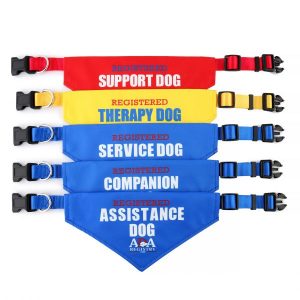
Service Dog Bandana
$39.95 Learn more This product has multiple variants. The options may be chosen on the product page
Custom ID Cards

Custom ID Cards
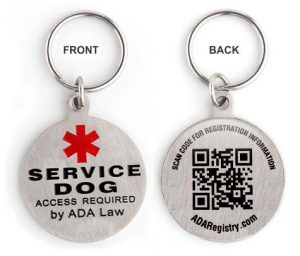
Custom Service Dog Tags
Official Dog Vests

Smart Vests
Official Public Access Kits
Complete Kits
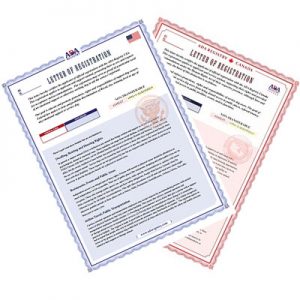
USA & CANADA Letters
High Quality Bandanas
Service Dog Tags
Smart Tags

ESA TAGS