Pekingese as a Therapy Dog
Register Any Breed
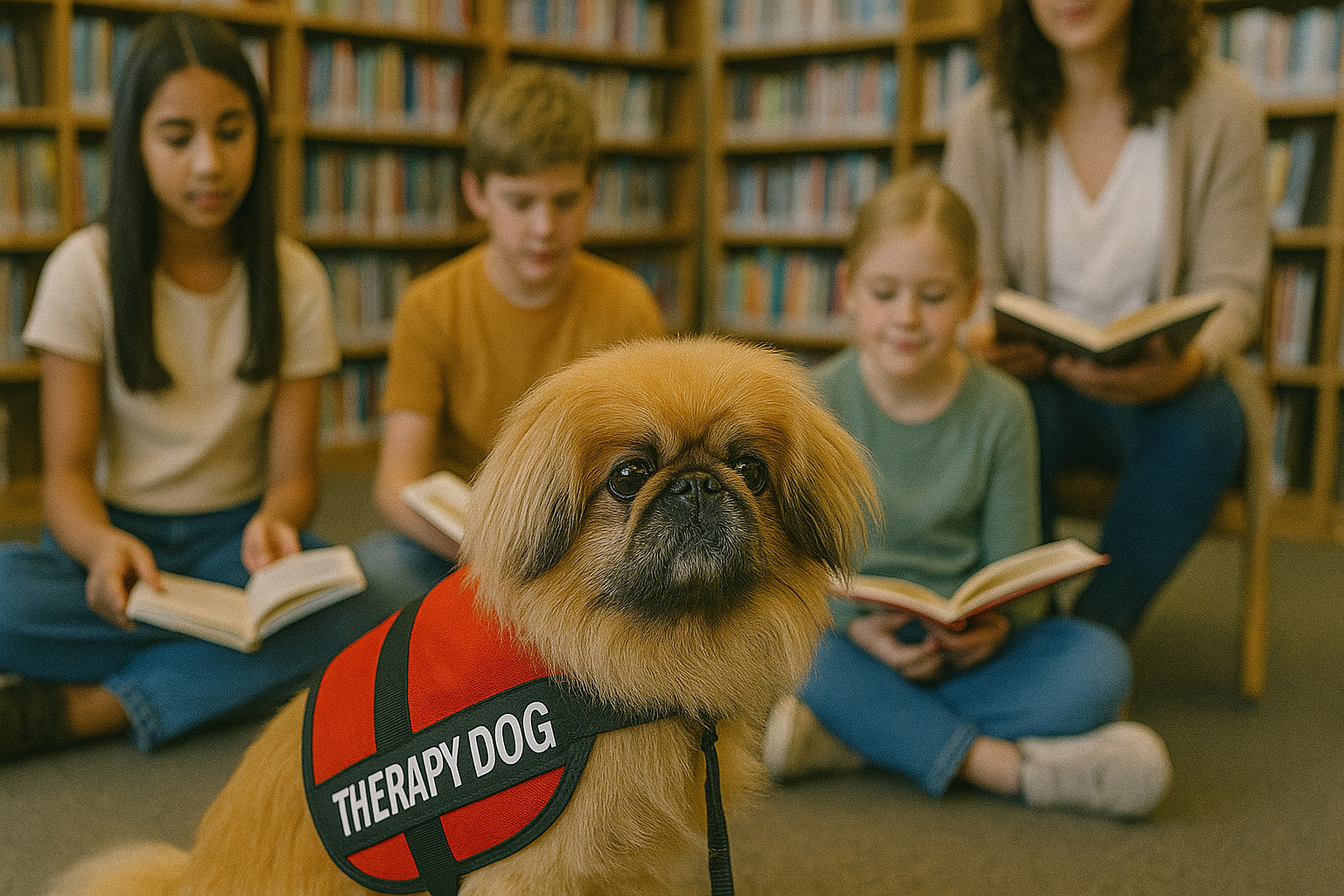
The Pekingese, known for its dignified demeanor and affectionate nature, offers strong potential as a therapy dog. This ancient breed, with its origins tracing back to Chinese imperial courts, can be an excellent companion in various therapeutic settings. Understanding its unique characteristics and how they can be harnessed effectively in therapy roles is essential for trainers and healthcare professionals interested in utilizing the Pekingese in animal-assisted therapy.
Pekingese as a Therapy Dog Overview
The value of a Pekingese in therapy roles lies in their temperament and physical attributes. While they may not be the first choice for high-energy environments, their calm presence and emotional attunement make them particularly suitable for specific therapy situations.
Understanding the Therapy Dog Role
A therapy dog's primary role is to provide comfort, alleviate stress, and enhance the emotional well-being of individuals in settings such as hospitals, nursing homes, and schools. These dogs must possess certain traits, such as a stable temperament, patience, and an affinity for human interaction.
For the Pekingese, their natural inclination toward empathy makes them effective at bonding with patients or clients, creating a comforting presence that supports emotional healing and psychological well-being. Their small size further allows easy accessibility for individuals with limited mobility or those in constrained environments.
Physical Appearance and Energy Level
The Pekingese's compact build, flowing double coat, and regal appearance contribute to its charm as a therapy dog. Their moderate energy levels are advantageous in environments where a calm, reassuring presence is paramount. Unlike higher-energy breeds, Pekingese are content with moderate exercise, making them suited to less demanding settings.
Their distinctive features include:
- A lion-like mane and distinctive flat face, offering a comforting appearance.
- A small stature, easily managed in enclosed spaces.
- Low to moderate exercise needs, fitting for quieter environments.
Personality and Emotional Intelligence
The personality of a Pekingese is characterized by independence combined with intense loyalty. They exhibit an innate ability to form strong emotional connections, key for therapeutic engagements. Their typical demeanor includes:
Register Any Breed
- Empathy and sensitivity, allowing them to sense the emotional states of their human companions.
- A dignified, yet affectionate nature, offering warm interactions without overwhelming the patient.
Their emotional intelligence enables them to remain calm under pressure, adapting to a patient’s pace and needs, which is vital for effective therapeutic interaction.
Environments Where Pekingese Excels
While a Pekingese may not adapt well to highly energetic settings like busy pediatric therapy sessions, they thrive in more controlled, quieter environments. Ideal settings include:
- Elderly care facilities, where a calming presence is beneficial.
- Individual therapy sessions where personalized attention is needed.
- Palliative care environments, providing comforting companionship.
In these settings, their calm and composed nature allows them to offer consistent, nurturing support.
Common Therapy Settings
Pekingese dogs excel in specific therapy settings due to their size and demeanor:
- Hospitals and Rehabilitation Centers: Their presence can be soothing, helping to alleviate anxiety in patients.
- Educational Settings: Particularly useful in reading programs for children who are intimidated by larger dogs.
- Nursing Homes: Elderly residents often find comfort in the careful, unhurried interaction a Pekingese offers.
These environments benefit from the breed’s non-intrusive, stable presence, complementing therapeutic goals.
Interactions with Different Populations
The Pekingese’s sensitive and discerning nature means they interact effectively with diverse populations, including:
- Children: Ideal in situations where gentle engagement is required, such as assisting with reading or building confidence.
- The Elderly: Their small size and calm nature make them excellent companions for elderly individuals who may have limited mobility.
- Therapy for Individuals with Anxiety or Depression: The Pekingese's ability to remain a steady, calming presence can significantly aid in emotional support therapy.
Their nuanced understanding of human emotions allows for adaptable interaction across varying patient needs.
Health and Wellness Factors
While the Pekingese offers many benefits, their health and grooming needs require consideration:
- Maintaining a Healthy Weight: Their small stature requires careful diet management to prevent obesity, which can impede their ability to serve effectively.
- Regular Grooming Needs: Their long coat requires consistent grooming to maintain comfort and health.
- Brachycephalic Considerations: Due to their flat faces, care must be taken to avoid respiratory distress, particularly in warm environments.
These factors must be managed to ensure the dog's well-being and ability to perform their therapy duties effectively.
Lifespan and Common Health Issues
Pekingese dogs generally have a lifespan of 12-15 years. However, they are prone to certain breed-specific health issues that must be managed:
- Respiratory Challenges: Careful monitoring of their breathing, especially during exercise, is necessary.
- Eye Health: Their bulging eyes require regular checks for irritation or injury.
- Joint Health: Due to their build, conditions such as patellar luxation may arise.
Proactive health management ensures their continued capability as reliable therapy companions.
Maintenance and Care Needs
Daily grooming, regular vet check-ups, and a balanced diet are essential for maintaining the Pekingese’s readiness for therapy work:
- Daily Grooming: Regular brushing to prevent matting and maintain their coat.
- Routine Health Checks: Regular vet visits to manage any emerging health concerns early.
- Exercise and Enrichment: While not high-energy, they benefit from daily walks and mental stimulation.
Meeting these care needs is crucial for their ongoing health and comfort in therapy roles.
Training and Certification Readiness
While the Pekingese is traditionally independent, they can be trained effectively for therapy certification with the right approach:
- Positive Reinforcement: Responsive to gentle, reward-based training which encourages desired behaviors.
- Socialization: Early and ongoing socialization to a variety of environments and stimuli.
- Patience and Consistency in Training: Given their independent nature, consistent and patient training is necessary.
Successfully attaining therapy certification hinges on understanding these nuances of Pekingese training.
Learning Style and Responsiveness
Pekingese dogs learn best in encouraging, patient environments:
- Responsive to Attention: Thrives when rewarded with attention and treats.
- Alert and Observant: Their natural curiosity aids in learning new tasks when the approach is gentle and consistent.
- Repetition and Routine: Beneficial for reinforcing behaviors necessary for therapy work.
Their unique learning style demands an approach that respects their individuality while maintaining the structure.
Handling Social and Emotional Stimuli
The Pekingese’s sensitivity to emotional stimuli is a crucial asset in therapy settings:
- Calm Under Pressure: Their ability to maintain composure helps provide a stable presence in emotionally charged environments.
- Adaptive Social Engagement: Can adjust their level of engagement based on the emotional needs of clients.
These skills ensure they remain effective even in varied or challenging social situations.
Strengths, Limitations, and Ideal Roles for Pekingese
The potential strengths and limitations of a Pekingese as a therapy dog are shaped by their inherent traits:
- Strengths: Empathy, loyalty, calm demeanor, and low energy requirements.
- Limitations: Health vulnerabilities, such as respiratory challenges and grooming needs.
- Ideal Roles: Companionship in low-stress environments with routine interactions.
Understanding these dynamics is essential for aligning their capabilities with suitable therapy roles.
Final Thoughts
Incorporating a Pekingese into therapy programs can offer unrivaled emotional support through their particular blend of warmth, dignified presence, and empathy. When health considerations are managed carefully, and gentle, consistent training is applied, their potential as therapy dogs is profound. Given the appropriate environment and care, Pekingese dogs can provide unparalleled comfort and healing to those they serve.
Key Takeaways for the Pekingese as a Therapy Dog
- Best suited for: Low-stress settings such as nursing homes and gentle therapy sessions.
- Not ideal for: High-energy environments or settings requiring extensive physical activity.
- Temperament highlights: Calm, dignified, empathetic, and highly attuned to human emotions.
- Care and health notes: Regular grooming, careful weight management, and monitoring respiratory and eye health.
- Therapy environments where they shine: Hospitals, reading programs, elderly care, and individual therapy settings.


-
Public Access Kits
$149.00 Learn more This product has multiple variants. The options may be chosen on the product page -
Quick Ship Premium Vests
$48.00 – $82.00 Learn more This product has multiple variants. The options may be chosen on the product page -
Service Dog Bandana
$39.95 Learn more This product has multiple variants. The options may be chosen on the product page
Custom ID Cards

Custom ID Cards
Custom Service Dog Tags
Official Dog Vests

Smart Vests
Official Public Access Kits

Complete Kits
USA & CANADA Letters
High Quality Bandanas

Service Dog Tags

Smart Tags

ESA TAGS