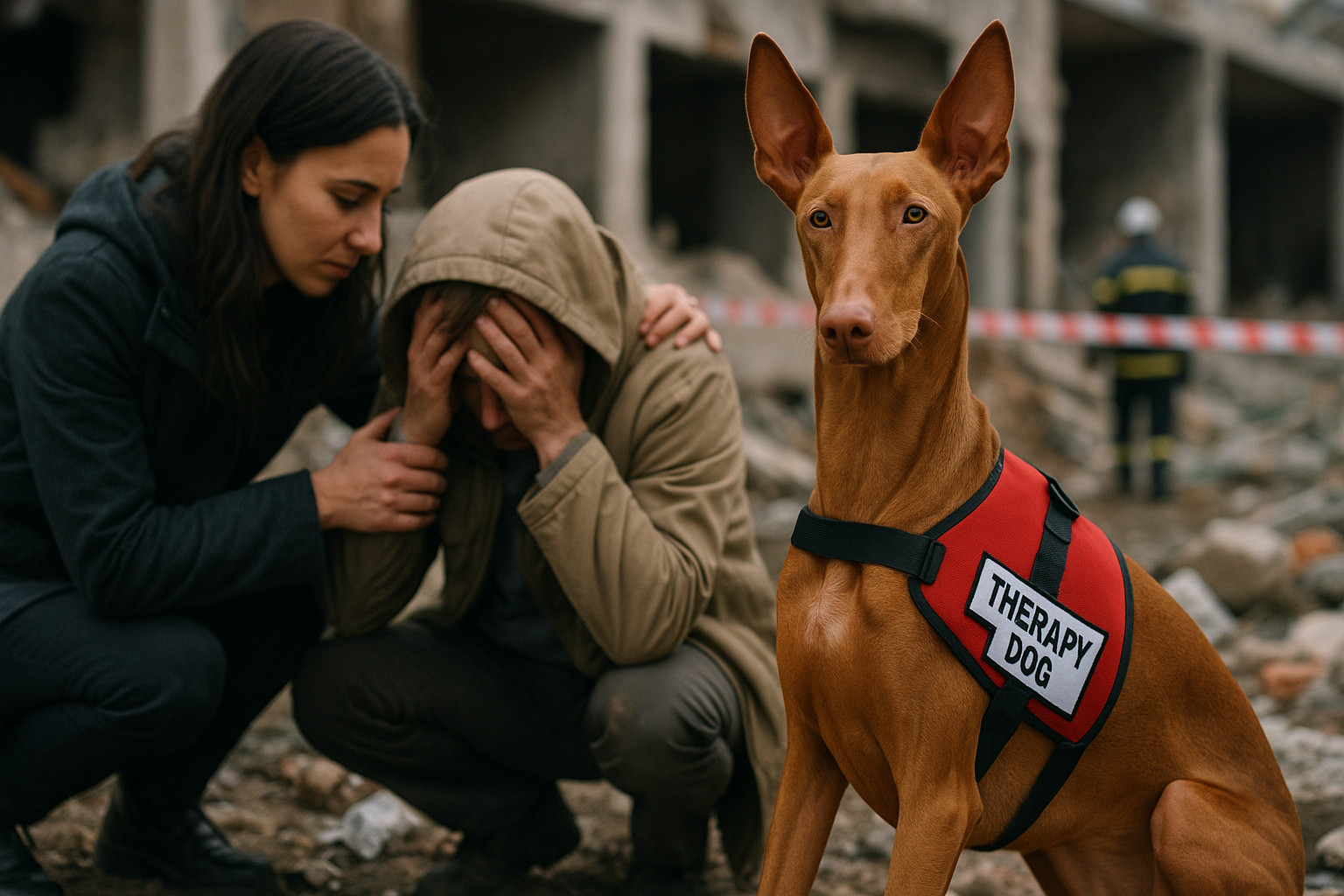
Pharaoh Hound as a Therapy Dog
Register Any Breed
Pharaoh Hound as a Therapy Dog Overview
The Pharaoh Hound is an ancient breed known for its distinctive elegance and keen hunting skills. However, its regal appearance and sharp senses also translate into a unique potential as a therapy dog. This article explores the various facets of the Pharaoh Hound's suitability for therapy work, diving deep into its temperament, physical attributes, and role in therapeutic settings.
Understanding the Therapy Dog Role
Therapy dogs provide comfort, support, and joy to individuals in need, whether they are in hospitals, nursing homes, or schools. Their primary role is to interact and assist humans by promoting emotional well-being and enhancing the therapeutic environment. Unlike service or working dogs, therapy dogs do not perform specific tasks but offer a calming presence and unconditional affection.
Physical Appearance and Energy Level
Pharaoh Hounds are medium-sized dogs with a sleek and athletic build, characterized by their alert and intelligent eyes. They possess a high energy level, which must be managed effectively to ensure they remain calm during therapy sessions. With proper exercise routines before visits, these hounds can maintain a gentle demeanor, making them appealing to individuals needing a calm and reassuring presence.
Personality and Emotional Intelligence
The personality of the Pharaoh Hound is marked by playfulness, curiosity, and a strong bond with humans. They carry an innate sensitivity and empathy, enabling them to sense and respond to human emotions effectively. Such traits are crucial in therapy contexts, where picking up on subtle emotional cues can enhance interactions. Their natural grace and gentle nature help them navigate various emotional landscapes and provide soothing companionship.
Environments Where Pharaoh Hound Excels
Pharaoh Hounds thrive in environments that require a balance of activity, engagement, and serenity. Their social adaptability allows them to shine in diverse settings, from quiet therapy rooms in hospitals to bustling school classrooms. The breed's adaptability in adjusting their energy according to the environment showcases their flexibility, making them valuable assets in numerous therapeutic contexts.
Common Therapy Settings
- Hospitals: They excel in offering comfort to patients, promoting a sense of calmness and improving overall mood.
- Schools: In educational settings, Pharaoh Hounds can aid in stress reduction and improve student focus through their calming presence.
- Rehabilitation Centers: Their interactive nature and playfulness can motivate patients engaged in physical therapy or recovery programs.
- Elder Care Facilities: Their gentle temperament and sociable nature make them well-suited for companionship roles with the elderly.
Interactions with Different Populations
The Pharaoh Hound's empathetic nature makes them suitable for various populations, including children, adults, and the elderly. They are known to be gentle with children and patient with the elderly, bridging the gap between canine and human interactions. Their ability to adapt to the emotional states of different individuals allows them to provide tailored comfort, making each engagement meaningful and effective.
Health and Wellness Factors
For a Pharaoh Hound to thrive as a therapy dog, their health must be prioritized to ensure they can participate safely in visits. Regular veterinary check-ups, a balanced diet, and sufficient exercise are vital in maintaining their well-being. Additionally, Pharaoh Hounds are relatively low-maintenance in terms of grooming, but their short coat requires regular checks to prevent any skin irritations that could impede their visiting capabilities.
Register Any Breed
Lifespan and Common Health Issues
Pharaoh Hounds typically have a lifespan of 12 to 14 years and are generally healthy. However, like any breed, they can be prone to certain genetic health concerns, such as hip dysplasia or eye conditions. Ensuring that they are screened for common breed-specific issues helps maintain their efficacy in a therapy role over their lifespan.
Maintenance and Care Needs
- Grooming: Minimal grooming is required due to their short coat, which only needs regular brushing to manage shedding and maintain cleanliness.
- Exercise: Daily exercise is essential to manage their energy levels, which is crucial for maintaining their focus and composure during therapy sessions.
- Diet: A balanced diet rich in nutrients supports their active lifestyle and overall health, ensuring they are always in prime condition for their role.
Training and Certification Readiness
Training a Pharaoh Hound for therapy certification requires a keen understanding of their learning style and responsiveness. The breed's intelligence and sensitivity necessitate a positive reinforcement approach, where patience and consistency are key. Enrolling them in specific therapy dog training programs can enhance their ability to perform the role effectively, focusing on honing their social skills and obedience.
Learning Style and Responsiveness
Pharaoh Hounds are exceptionally quick learners due to their inherent intelligence. However, they may display independent tendencies, requiring trainers to employ engaging and varied training sessions to maintain their interest. Their responsiveness is heightened when commands are delivered in a calm, clear manner, underscoring the importance of a patient training approach.
Handling Social and Emotional Stimuli
In therapy settings, Pharaoh Hounds demonstrate remarkable ability to handle social and emotional stimuli. They can read emotional cues and adjust their behavior accordingly, providing a calm and reassuring presence. Their sensitivity to Human emotions makes them adept at alleviating anxiety, promoting relaxation, and fostering positive social interactions.
Strengths, Limitations, and Ideal Roles for Pharaoh Hound
The strengths of the Pharaoh Hound as a therapy dog include their empathy, adaptability, and gentle demeanor. However, potential handlers must consider their high energy levels, requiring consistent management to maintain composure in therapy environments.
- Strengths: Empathy, adaptability, sensitivity.
- Limitations: High energy, independent streaks.
- Ideal Roles: Emotional support in diverse settings such as hospitals, schools, and retirement homes.
Final Thoughts
The Pharaoh Hound, with its unique blend of physical elegance and emotional intelligence, offers tremendous potential as a therapy dog. While their high energy levels require thoughtful management, their capacity for empathy and adaptability make them a valuable asset in providing comfort and support to those in need. Proper training and care are essential to maximize their effectiveness and longevity in a therapy role.
Key Takeaways for the Pharaoh Hound as a Therapy Dog
- Best suited for: Hospitals, schools, rehabilitation centers, elder care facilities.
- Not ideal for: Environments requiring low-energy, independently-driven tasks.
- Temperament highlights: Empathetic, adaptable, gentle.
- Care and health notes: Minimal grooming, regular exercise, and health check-ups crucial.
- Therapy environments where they shine: Engaging with diverse populations needing emotional support and comfort.


-
Public Access Kits
$149.00 Learn more This product has multiple variants. The options may be chosen on the product page -
Quick Ship Premium Vests
$48.00 – $82.00 Learn more This product has multiple variants. The options may be chosen on the product page -
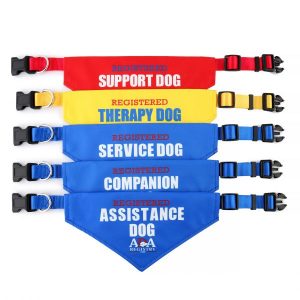
Service Dog Bandana
$39.95 Learn more This product has multiple variants. The options may be chosen on the product page

Custom ID Cards

Custom ID Cards
Custom Service Dog Tags
Official Dog Vests

Smart Vests
Official Public Access Kits

Complete Kits
USA & CANADA Letters

High Quality Bandanas
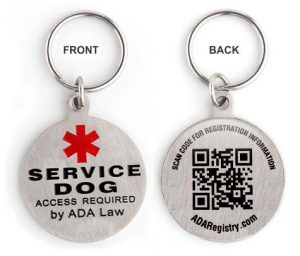
Service Dog Tags
Smart Tags

ESA TAGS