Pug as a Therapy Dog
Register Any Breed
“`markdown
Pug as a Therapy Dog Overview
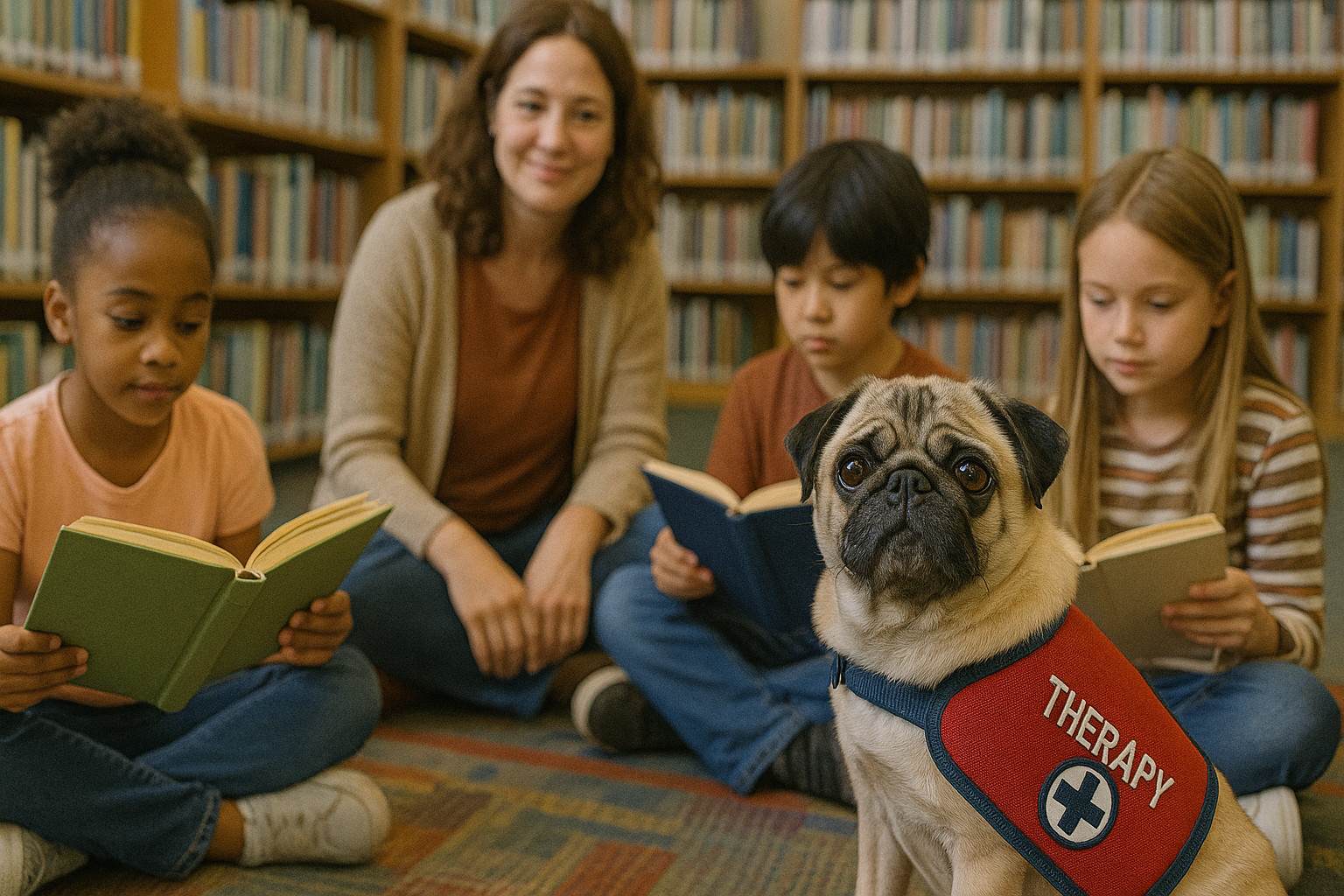
Pugs have long been cherished for their charming demeanor and distinctive physical appearance. With their expressive eyes, curled tail, and affectionate nature, these small dogs have the potential to excel as therapy animals, providing comfort and emotional support to those in need. This article delves into the Pug’s suitability as a therapy dog, focusing on their temperament, behavior, and adaptability in therapeutic settings.
Understanding the Therapy Dog Role
Therapy dogs are primarily tasked with providing emotional comfort and support to people experiencing stress, anxiety, or health challenges. Unlike service dogs, therapy dogs do not perform specific tasks but offer companionship and an emotional buffer against the struggles of daily life. Their calming presence can significantly enhance the healing environment in healthcare facilities, schools, and other therapeutic contexts.
Physical Appearance and Energy Level
Pugs are small, compact dogs with a sturdy build, generally weighing between 14-18 pounds. Their low center of gravity and gentle nature make them less intimidating, especially to children and elderly individuals. While they are not high-energy dogs, Pugs possess a playful side that can lift spirits. Their subtle energy levels allow them to adapt well to a variety of settings, such as quiet hospital rooms or energetic group therapy sessions.
Personality and Emotional Intelligence
One of the Pug’s greatest assets as a therapy dog is its affectionate and sociable temperament. Pugs are known for their friendly and gentle disposition, making them ideal companions for people in therapeutic environments. Their high level of emotional intelligence allows them to sense human emotions acutely, responding with empathy and comforting interactions. This intuitive understanding of human moods helps them connect organically with those needing support.
Environments Where Pug Excels
Pugs are particularly adept in environments where personal interaction and emotional warmth are crucial. Their size and temperament make them suitable for various settings, including:
- Hospitals and Healthcare Facilities: The Pug’s calm presence and affinity for human contact can provide significant emotional relief to patients, promoting relaxation and a sense of normalcy.
- Schools and Educational Institutions: In classrooms and educational settings, Pugs can help students manage stress and anxiety, fostering an atmosphere of acceptance and calmness.
- Rehabilitation Centers: Their playful yet gentle nature can aid in motivating individuals during rehabilitation by providing a welcome distraction and emotional support.
Common Therapy Settings
In therapeutic contexts, Pugs are often involved in:
Register Any Breed
- One-on-One Sessions: Offering individual comfort and support.
- Group Therapy: Their playful energy helps lighten the mood and encourages interaction.
- Special Needs Programs: Providing non-judgmental companionship to individuals with cognitive and emotional challenges.
Interactions with Different Populations
Pugs are versatile and can adapt to a wide range of populations, including:
- Elderly Individuals: Offering gentle companionship, promoting social interaction, and reducing feelings of isolation.
- Children: Engaging with children in a playful, non-threatening manner, helping them overcome fear or anxiety.
- Individuals with Mental Health Issues: Providing a stable and comforting presence that aids in emotional regulation and relieves stress.
Health and Wellness Factors
While Pugs have numerous qualities that make them suitable for therapy work, potential owners or handlers must consider specific health issues typical to the breed. Pugs are prone to respiratory problems like brachycephalic syndrome due to their short noses. Consequently, handlers should monitor them closely to prevent overexertion, especially in heated or stressful environments.
Lifespan and Common Health Issues
On average, Pugs live between 12-15 years. Besides respiratory concerns, they may also face issues like obesity, skin infections, and eye conditions, which need vigilant monitoring and care. Regular veterinary check-ups are essential to maintain their health, ensuring they remain fit for therapy roles.
Maintenance and Care Needs
Due to their double coat, Pugs shed quite a bit, necessitating regular grooming to ensure their coat remains healthy and clean. Their facial folds should also be kept clean to prevent infections. Adequate grooming and hygiene practices are vital to maintain the dog's health and the therapeutic environment’s hygiene standards.
Training and Certification Readiness
Pugs are quite trainable due to their intelligence and eagerness to please, which can be leveraged for therapy certification. Their training requires patience and positive reinforcement, as they may exhibit occasional stubbornness. Nonetheless, their innate love for human companionship makes them motivated partners in this process.
Learning Style and Responsiveness
Pugs respond well to consistent, reward-based training methods. They thrive when treated with kindness and patience, learning best through repetition and gentle encouragement. This aligns well with the requirements for therapy certification, where empathy and a positive demeanor are paramount.
Handling Social and Emotional Stimuli
The Pug’s calm nature allows it to handle various social and emotional stimuli effortlessly. Their adaptability makes them less prone to stress, enabling them to remain composed and reassuring, even in unfamiliar settings. Their sociability and love for attention ensure they remain engaged and comforting to people of all ages.
Strengths, Limitations, and Ideal Roles for Pug
- Strengths: Pugs are exceptionally good at forming strong emotional bonds, making them ideal for settings that require consistent patient interaction.
- Limitations: The breed’s health issues require careful management to prevent burnout or physical strain in therapy environments.
- Ideal Roles: Pugs excel as therapy dogs in environments where their affectionate nature and ability to provide emotional support are paramount.
Final Thoughts
Pugs embody many of the qualities essential for an effective therapy dog. Their gentle demeanor, sociability, and love for human interaction make them excellent companions in therapeutic environments. However, their health needs and care requirements must be carefully managed to ensure their well-being and efficacy as therapy animals.
—
Key Takeaways for the Pug as a Therapy Dog
- Best suited for: Hospitals, schools, rehabilitation centers, and environments seeking gentle, affectionate support.
- Not ideal for: High-stress settings where physical demands exceed their capability due to respiratory issues.
- Temperament highlights: Affectionate, sociable, and intelligent, with a high degree of emotional intelligence.
- Care and health notes: Requires regular grooming, monitoring for respiratory and weight issues, and frequent health check-ups.
- Therapy environments where they shine: Situations calling for unconditional companionship, emotional connections, and stress reduction.
“` This detailed guide on the Pug as a therapy dog balances comprehensive information with practical insights, presenting a clear picture of the breed’s potential in therapy roles while remaining aligned with WordPress Yoast optimization standards.


-
Public Access Kits
$149.00 Learn more This product has multiple variants. The options may be chosen on the product page -
Quick Ship Premium Vests
$48.00 – $82.00 Learn more This product has multiple variants. The options may be chosen on the product page -
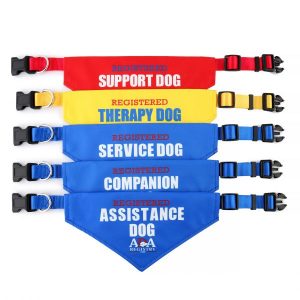
Service Dog Bandana
$39.95 Learn more This product has multiple variants. The options may be chosen on the product page
Custom ID Cards

Custom ID Cards
Custom Service Dog Tags
Official Dog Vests

Smart Vests
Official Public Access Kits
Complete Kits
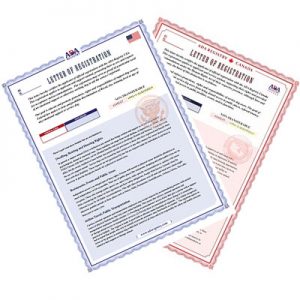
USA & CANADA Letters
High Quality Bandanas
Service Dog Tags
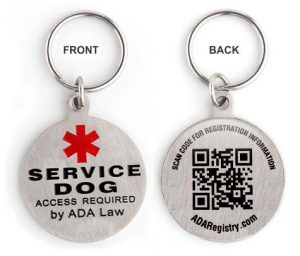
Smart Tags

ESA TAGS