Pyrenean Shepherd as a Therapy Dog
Register Any Breed
Pyrenean Shepherd as a Therapy Dog Overview
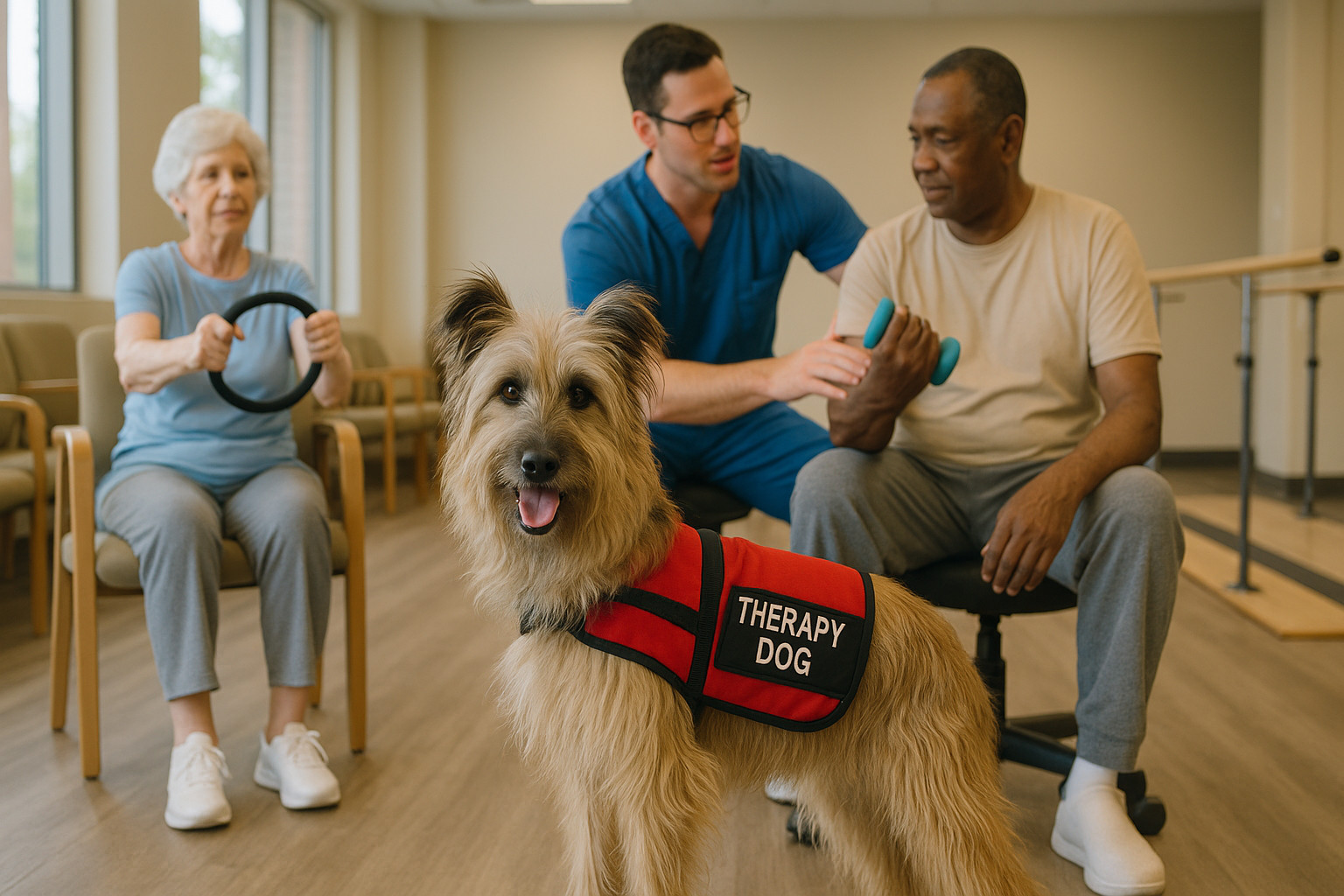
The Pyrenean Shepherd, a breed originating from the Pyrenees Mountains of southern France, has long been revered for its intelligence, agility, and dedication. While traditionally a herding dog, the Pyrenean Shepherd's suitability as a therapy dog has garnered attention for its multifaceted qualities that make it an excellent companion in therapeutic settings. This article will delve into the various characteristics that define the Pyrenean Shepherd as a therapy dog, focusing on its temperament, adaptability, and suitability across different environments and populations.
Understanding the Therapy Dog Role
Therapy dogs are unique canines trained to provide comfort, affection, and relief to individuals in healthcare, educational, and anxiety-inducing environments. Unlike service dogs, whose tasks are more task-specific, therapy dogs primarily offer emotional support and boost mental well-being. The Pyrenean Shepherd's innate ability to connect with people, combined with its observant nature, positions it well for this role.
Physical Appearance and Energy Level
Typically, the Pyrenean Shepherd is a small to medium-sized dog with a highly energetic disposition. Its lightweight frame, covered with a fine, rough coat, is both athletic and durable, attributes that allow for ease of movement in various settings. The breed's high energy level, which can be channeled into interactive exercises, helps maintain engagement with patients, encouraging participation and activity during therapy sessions.
- Energy Channeling: The Pyrenean Shepherd's energy demands structured play and therapeutic exercises, which contribute to more dynamic interactions.
- Adaptability in Movement: Its agility ensures it can navigate crowded or restricted therapy environments without causing discomfort.
Personality and Emotional Intelligence
The Pyrenean Shepherd boasts a highly developed sense of emotional intelligence, characterized by instincts finely tuned to the emotional states of those around it. This sensitivity makes it excel in therapy dog work, leading to effective emotional connections and support.
- Emotional Sensitivity: The breed is adept at responding to emotions, offering comfort to individuals in distress.
- Intuitive Bonding: Strong bonds with patients enhance trust, essential for successful therapeutic relationships.
Environments Where Pyrenean Shepherd Excels
Due to its small size and gentle demeanor, the Pyrenean Shepherd thrives in controlled environments where its energy can be managed effectively. Excellent environments include therapy centers, educational institutions, and home visits for individual therapy.
- Therapy Clinics: The breed's calm nature and ability to read emotions make it ideal for settings requiring a constant yet non-invasive presence.
- Schools: Its playful nature and ability to engage with children provide emotional support in educational environments.
Common Therapy Settings
Pyrenean Shepherds adapt well to various therapy settings due to their versatility and emotional intelligence.
- Hospitals and Rehabilitation Centers: Their calm disposition provides comfort and reduces stress levels in patients recovering from surgery or injury.
- Nursing Homes: They bring joy and companionship to the elderly, providing vital emotional connectivity and physical interaction.
Interactions with Different Populations
The Pyrenean Shepherd's adaptable nature makes it suitable for engaging with diverse populations, ranging from children to the elderly.
Register Any Breed
- Children: Known for its playful yet gentle demeanor, the breed engages children in therapeutic activities, aiding in developmental processes and emotional stability.
- Elderly Individuals: In senior care facilities, their calming presence and affection stimulate positivity and companionship, essential for mental well-being.
Health and Wellness Factors
Understanding the Pyrenean Shepherd's health is crucial for maximizing its potential as a therapy dog while ensuring safety and well-being.
#### Lifespan and Common Health Issues
With a lifespan typically ranging from 15 to 17 years, the Pyrenean Shepherd is relatively healthy. However, potential health issues include hip dysplasia and eye disorders, which need monitoring to ensure the dog's ability to work comfortably in therapy environments.
- Regular Vet Visits: Routine health checks are imperative to detect and manage any arising health issues promptly.
- Monitoring Movement: Observing and maintaining joint health ensures its agility remains an asset rather than a hindrance.
Maintenance and Care Needs
Proper maintenance is key to ensuring a Pyrenean Shepherd can perform its therapy duties effectively.
- Grooming: Regular brushing of its fine, long coat reduces shedding and promotes skin health, making them more comfortable and pleasant to handle.
- Diet and Nutrition: A balanced diet keeps the breed's energy level sustained without overexciting it, essential for maintaining focus during therapy sessions.
Training and Certification Readiness
The Pyrenean Shepherd is remarkably trainable, thanks to its intelligence and willingness to please.
#### Learning Style and Responsiveness
Known for learning quickly, Pyrenean Shepherds enjoy tasks that challenge their intellect and require consistent engagement.
- Engaging Training Sessions: Employ interactive and varied methods to maintain its interest and eagerness to comply.
- Positive Reinforcement: Leverage its sensitivity to positive feedback, encouraging behaviors desirable in a therapeutic setting.
Handling Social and Emotional Stimuli
The Pyrenean Shepherd's ability to process social and emotional stimuli intelligently enhances its effectiveness as a therapy dog.
- Adapting to Social Cues: The breed adjusts behavior based on the social and emotional needs of those around it, ensuring a comforting presence.
- Managing Stress: Training should include exposure to diverse environments to build resilience and flexibility in handling unexpected situations calmly.
Strengths, Limitations, and Ideal Roles for Pyrenean Shepherd
While the Pyrenean Shepherd excels in many aspects, potential owners or trainers must weigh its strengths against its limitations for therapy work.
- Strengths: Notably empathetic, agile, and able to bond closely with humans, making it an effective therapeutic companion.
- Limitations: Its high energy requires patient and consistent management to prevent overstimulation in calm environments.
- Ideal Roles: The Pyrenean Shepherd thrives in settings requiring dynamic interaction and emotional support, like schools and individual home therapy sessions.
Final Thoughts
For trainers and healthcare professionals considering the Pyrenean Shepherd for therapy work, its intelligence, empathy, and agility offer undeniable advantages. With proper training, regular healthcare, and environment-specific adaptation, this breed can excel as a dedicated therapy animal, bringing joy and comfort to those in need.
Key Takeaways for the Pyrenean Shepherd as a Therapy Dog
- Best suited for: Schools, hospitals, rehabilitation, and senior care facilities
- Not ideal for: Environments requiring low-energy, sedentary companionship
- Temperament highlights: Intelligent, empathetic, vibrant, and attentive
- Care and health notes: Regular grooming and consistent health monitoring required
- Therapy environments where they shine: Educational settings, individualized therapy sessions, and dynamic therapeutic interactions.
Understanding the intricacies of the Pyrenean Shepherd as a therapy dog ensures its potential can be harnessed effectively and compassionately, providing significant emotional support wherever needed.


-
Public Access Kits
$149.00 Learn more This product has multiple variants. The options may be chosen on the product page -
Quick Ship Premium Vests
$48.00 – $82.00 Learn more This product has multiple variants. The options may be chosen on the product page -
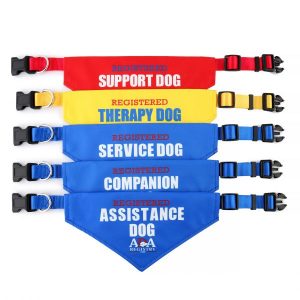
Service Dog Bandana
$39.95 Learn more This product has multiple variants. The options may be chosen on the product page
Custom ID Cards

Custom ID Cards
Custom Service Dog Tags
Official Dog Vests

Smart Vests
Official Public Access Kits
Complete Kits
USA & CANADA Letters
High Quality Bandanas
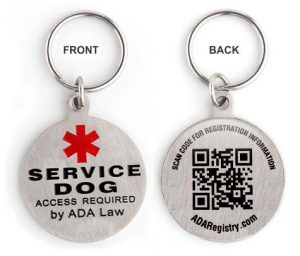
Service Dog Tags
Smart Tags

ESA TAGS