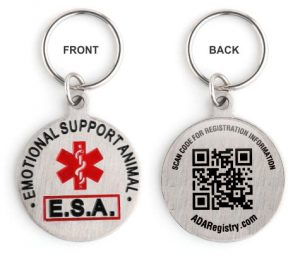
Redbone Coonhound as a Therapy Dog
Register Any Breed
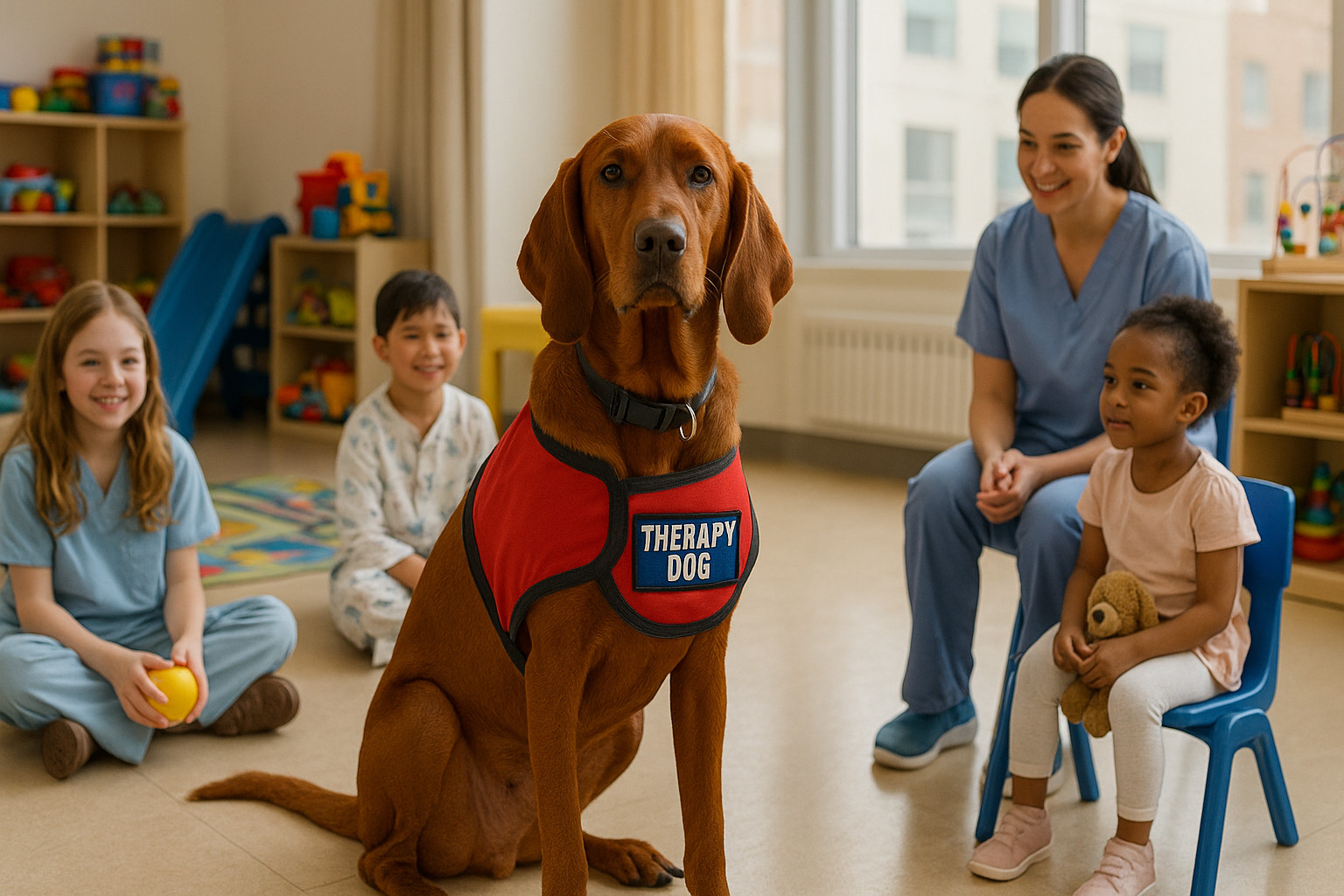
Redbone Coonhound as a Therapy Dog Overview
When considering a breed for therapy work, it's essential to evaluate not only the dog's demeanor and intelligence but also how their physicality and health align with the role's demands. The Redbone Coonhound, cherished for its affectionate and sociable nature, offers unique contributions as a therapy dog. Whether in hospitals comforting patients or in schools boosting students’ morale, this breed is a surprising yet effective choice.
Understanding the Therapy Dog Role
Therapy dogs provide emotional and psychological support through human interaction in various settings. Unlike service dogs trained for specific tasks assisting individuals with disabilities, therapy dogs engage broadly, offering companionship, reducing anxiety, and boosting morale among different populations. This requires a dog that is empathetic, adaptable, and patient—qualities that can be found in the Redbone Coonhound.
Physical Appearance and Energy Level
Redbone Coonhounds are medium-sized dogs with a robust physique, typically weighing between 45-70 pounds. Their sleek, solid red coats are not high-shedding, reducing allergens—a beneficial trait for therapy work in hospitals or care facilities. Their high energy levels mean they need ample exercise, but with proper outlets for their energy, they exhibit calmness and contentment, ideal for a therapy setting.
Personality and Emotional Intelligence
Known for their gentle disposition, Redbone Coonhounds possess a steady temperament, contributing positively to their role as therapy dogs. Their innate friendliness makes them approachable, while their adaptability enables smooth interaction with diverse groups. These dogs excel at reading human emotions, often responding with comfort during distress, an invaluable trait in therapeutic environments.
Environments Where Redbone Coonhound Excels
Redbone Coonhounds thrive in environments where they can engage with people regularly. They perform well in settings where their loving nature and calm presence can shine, such as:
- Hospitals, where their calm demeanor helps soothe patients
- Schools, offering companionship to children
- Rehabilitation centers, encouraging patients through challenging treatments
Their adaptability allows them to adjust to these varying environments, whether bustling or serene.
Common Therapy Settings
In hospitals, their non-intrusive yet affectionate presence helps lower stress and anxiety levels among patients. In educational settings, they serve as excellent reading buddies, promoting literacy and providing a fun break from routine. Their calm nature also proves beneficial in nursing homes and rehabilitation centers, where gentle interaction is needed.
Register Any Breed
Interactions with Different Populations
Redbone Coonhounds exhibit remarkable patience and empathy, making them suitable for interacting with a wide range of populations, including:
- Children, who enjoy their playful yet gentle demeanor
- Seniors, who appreciate their calming presence
- Patients recovering from illnesses or surgeries, benefiting from their quiet support
These interactions are crucial in creating positive emotional responses, providing comfort, and fostering a sense of companionship.
Health and Wellness Factors
Like all breeds, the health of a Redbone Coonhound can impact its efficacy as a therapy dog. Regular veterinary check-ups and a nutritional diet maintain their health, ensuring they are fit to fulfill their roles.
Lifespan and Common Health Issues
Redbone Coonhounds have a lifespan of approximately 12-15 years. While generally healthy, they may be prone to hip dysplasia and ear infections. Regular health monitoring and grooming, such as ear cleaning, are vital to prevent these issues from hindering their ability to participate in therapy sessions.
Maintenance and Care Needs
Their short coat requires minimal grooming, but regular brushing helps reduce shedding. Routine nail trimming and dental care are necessary to maintain overall health and hygiene, especially important when interacting with immunocompromised individuals.
Training and Certification Readiness
Redbone Coonhounds are intelligent, eager to please, and generally responsive, making them suitable candidates for therapy dog training. Their trainability allows them to grasp commands and routines quickly, essential for certification readiness.
Learning Style and Responsiveness
These dogs respond well to positive reinforcement techniques, thriving on encouragement and treats. Their emotional sensitivity aids in understanding and following commands, promoting quicker learning and consistency, which are vital for effective therapy work.
Handling Social and Emotional Stimuli
Redbone Coonhounds' calm and balanced nature allows them to remain composed in diverse social settings and emotional environments. Their ability to handle unfamiliar stimuli without becoming anxious or overzealous makes them excellent companions in therapeutic roles.
Strengths, Limitations, and Ideal Roles for Redbone Coonhound
Strengths:
- Gentle disposition suitable for therapeutic engagement
- Adaptable to a range of environments
- Excellent emotional intelligence and empathy
Limitations:
- May require more exercise than other breeds when off-duty
- Possible health issues like hip dysplasia require attention
Ideal Roles:
- Patient support in hospitals
- Companionship in schools and rehabilitation centers
- Promoting emotional wellbeing in nursing homes
Final Thoughts
The Redbone Coonhound, with its loving nature and adaptability, is a promising candidate for therapy dog work. While they require regular exercise and attention to health, their gentle, empathetic temperaments make them invaluable in providing emotional support across various settings.
Key Takeaways for the Redbone Coonhound as a Therapy Dog
- Best suited for: Hospitals, schools, and rehabilitation centers
- Not ideal for: Environments demanding low-energy/sedentary dogs
- Temperament highlights: Gentle, empathetic, adaptable
- Care and health notes: Regular exercise, preventive health care, and minimal grooming
- Therapy environments where they shine: Hospitals, schools, nursing homes, and rehab centers
By prioritizing their overall wellbeing and harnessing their natural inclinations, Redbone Coonhounds can thrive as therapy dogs, bringing comfort and joy to those who need it most.


-
Public Access Kits
$149.00 Learn more This product has multiple variants. The options may be chosen on the product page -
Quick Ship Premium Vests
$48.00 – $82.00 Learn more This product has multiple variants. The options may be chosen on the product page -
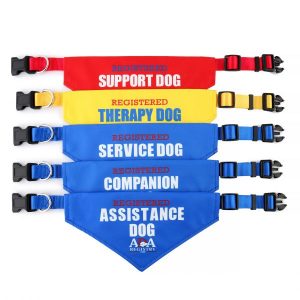
Service Dog Bandana
$39.95 Learn more This product has multiple variants. The options may be chosen on the product page
Custom ID Cards

Custom ID Cards
Custom Service Dog Tags
Official Dog Vests

Smart Vests
Official Public Access Kits
Complete Kits
USA & CANADA Letters

High Quality Bandanas
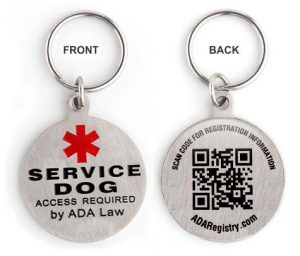
Service Dog Tags
Smart Tags

ESA TAGS