Russell Terrier as a Therapy Dog
Register Any Breed

Russell Terrier as a Therapy Dog Overview
The notion of therapy dogs serving as a bridge between medical procedures and emotional support has gained significant momentum in recent years. Among the plethora of breeds considered for therapy roles, the Russell Terrier stands out due to its lively demeanor paired with an affectionate nature. This article delves into the suitability of Russell Terriers as therapy dogs, exploring their temperament, adaptability, and other traits essential for this role.
Understanding the Therapy Dog Role
Therapy dogs offer emotional and psychological support to individuals across various settings. Unlike service dogs, whose tasks are primarily physical assistance, therapy dogs focus on emotional and social interactions. The Russell Terrier, with its innate curiosity and playful energy, can infuse light-heartedness and joy into the environments in which they serve. Their compact size and agility allow them to maneuver in diverse settings, ensuring they interact with those in need comfortably.
Physical Appearance and Energy Level
While relatively small, typically weighing between 14 to 18 pounds, the Russell Terrier possesses a robust physical presence characterized by its muscular build and agile movements. Their energetic nature enables them to engage in extended sessions of interaction without fatigue. This boundless energy can be channeled into meaningful engagements with patients or clients in therapy settings, promoting positivity and a spirit of liveliness.
Personality and Emotional Intelligence
Russell Terriers are known for their bold and exuberant personalities. Despite their spirited nature, they exhibit high levels of empathy and emotional intelligence, vital for successful therapy dog engagements. Their ability to sense emotions and respond with comforting gestures makes them versatile in calming individuals in distress. This adaptability to emotional cues affords them a unique advantage—converting nervous or guarded patients into open and responsive participants in therapeutic interactions.
Environments Where Russell Terrier Excels
Their friendly and approachable demeanor makes Russell Terriers ideal for various environments, including:
- Hospitals and Clinics: Their small size and gentle manner enable easy navigation through hospital rooms and corridors, providing comfort to patients during their stay.
- Schools: Russell Terriers can engage children with learning difficulties, helping alleviate anxiety, promote focus, and encourage social interaction.
- Rehabilitation Centers: With their active nature, they can partake in physical activities that may aid rehabilitation processes, boosting morale and encouraging movement.
- Nursing Homes: Their presence can brighten residents' days, offering companionship and reducing feelings of loneliness.
Common Therapy Settings
The breed is especially effective in settings demanding substantial emotional support and interaction. Their high adaptability allows them to function well in:
- One-on-one sessions, where personal attention can foster individual connections.
- Group settings, acting as a social catalyst, enhancing interactions among participants.
- Community outreach programs, where diversity in environments challenges their adaptability and enriches their experience in providing support.
Interactions with Different Populations
Children: Their playfulness and patience suit interactions with children, who often respond with enthusiasm and warmth.
Register Any Breed
Elderly: The Russell Terrier's affection and medium energy levels are comforting to elderly individuals, providing emotional stability and companionship.
Psychiatric Patients: Their empathy and ability to react to emotional cues can help de-escalate tense situations, offering a sense of security and non-judgmental companionship.
Health and Wellness Factors
Lifespan and Common Health Issues: Russell Terriers have a lifespan ranging from 12 to 14 years. While generally healthy, they are prone to certain genetic conditions such as patellar luxation and deafness, which can affect their longevity and suitability for therapy work. Regular veterinary check-ups and maintaining a healthy lifestyle are crucial in optimizing their ability to serve effectively as therapy dogs.
Maintenance and Care Needs: Maintaining their health involves regular grooming as their short, dense coat minimally sheds but requires consistent brushing to remain clean and presentable—a vital factor when interacting in sterile environments like hospitals.
Training and Certification Readiness
Learning Style and Responsiveness: Russell Terriers are highly trainable due to their eager-to-please nature and intelligence. Consistent and positive training approaches facilitate their learning and enhance their readiness for therapy certification. Their inquisitive nature demands engaging training activities that can sustain their interest and solidify recall in therapeutic scenarios.
Handling Social and Emotional Stimuli: A major characteristic of successful therapy dogs is their ability to manage and respond to social and emotional stimuli effectively. Russell Terriers excel here, often using their intuition to adapt their behavior, which helps soothe and encourage interaction in individuals who need emotional support.
Strengths, Limitations, and Ideal Roles for Russell Terrier
Despite their strengths, potential handlers must consider:
- Their propensity for high energy can be a limitation in environments where calmness is essential, such as intensive care units.
- Their stubbornness may require experienced handlers who can enforce obedience effectively.
However, they excel in:
- Roles demanding high engagement levels, offering emotional support and playful encounters.
- Engagements needing patients to remain dynamic and interactive, helping them overcome apprehension and engage in meaningful activities.
Final Thoughts
In conclusion, the Russell Terrier can become a cherished therapy dog with appropriate selection based on temperament and health, combined with effective training. They can become wonderful companions in therapeutic settings, providing comfort and joy to individuals across various demographics and medical conditions.
Key Takeaways for the Russell Terrier as a Therapy Dog
- Best suited for: Schools, rehabilitation centers, nursing homes.
- Not ideal for: High-stress environments requiring absolute calmness.
- Temperament highlights: Affectionate, empathetic, high energy.
- Care and health notes: Regular grooming, monitoring for genetic health issues.
- Therapy environments where they shine: Interactive and dynamic settings where engagement boosts emotional well-being.


-
Public Access Kits
$149.00 Learn more This product has multiple variants. The options may be chosen on the product page -
Quick Ship Premium Vests
$48.00 – $82.00 Learn more This product has multiple variants. The options may be chosen on the product page -
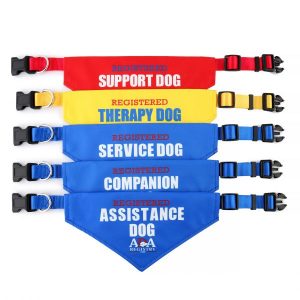
Service Dog Bandana
$39.95 Learn more This product has multiple variants. The options may be chosen on the product page
Custom ID Cards

Custom ID Cards
Custom Service Dog Tags
Official Dog Vests

Smart Vests
Official Public Access Kits
Complete Kits
USA & CANADA Letters
High Quality Bandanas
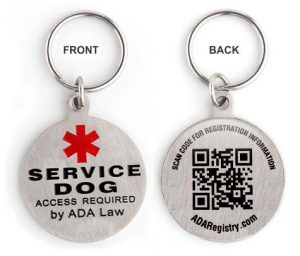
Service Dog Tags
Smart Tags

ESA TAGS