Saluki as a Therapy Dog
Register Any Breed
Saluki as a Therapy Dog Overview
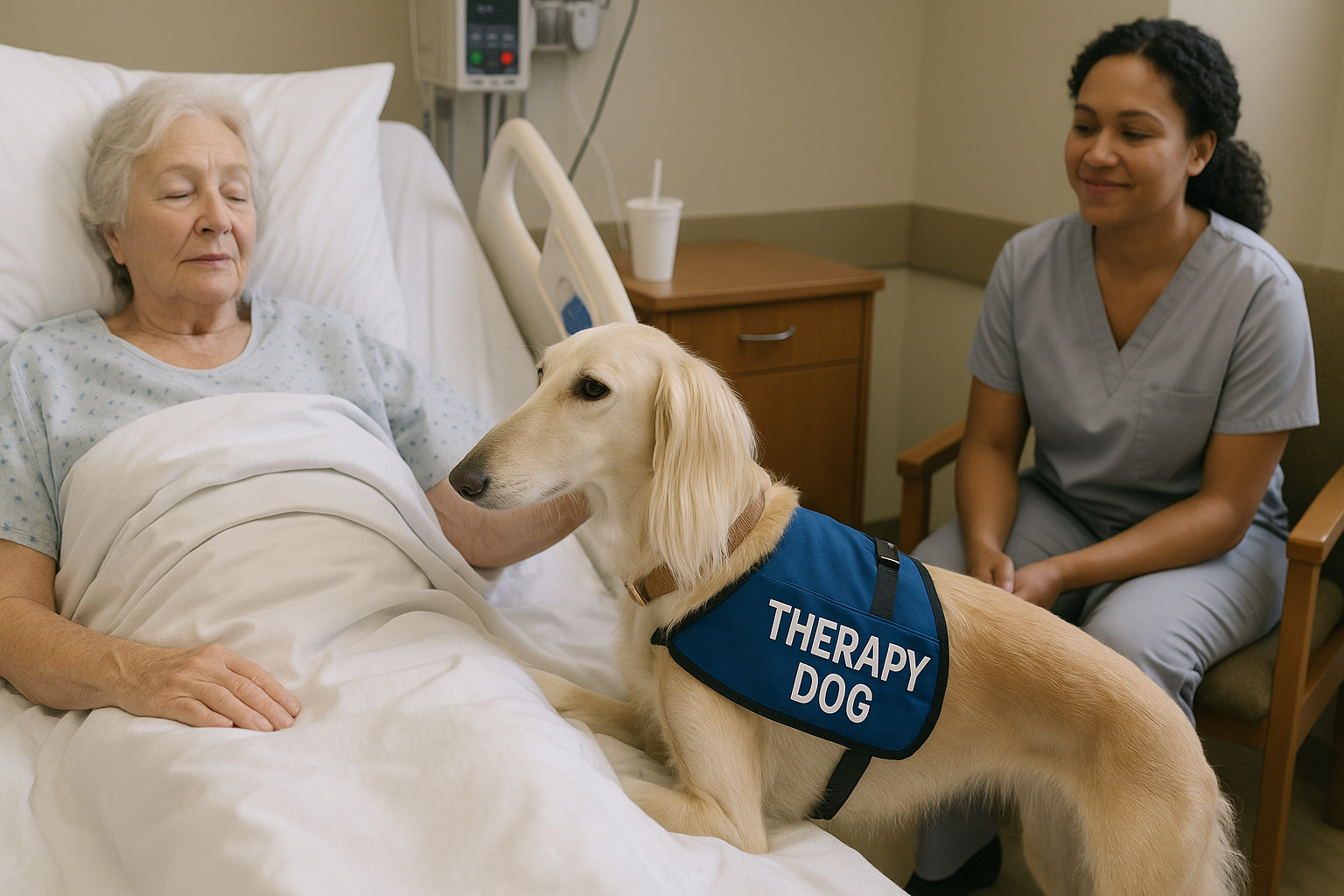
The Saluki, known for its grace and elegance, carries a deep history as one of the oldest dog breeds. While often admired for their speed and agility, there’s more to the Saluki than meets the eye. This breed’s unique combination of characteristics can also make them effective therapy dogs. In therapeutic contexts, Salukis can provide physical comfort, emotional support, and companionship to individuals.
Understanding the Therapy Dog Role
Therapy dogs are trained to offer comfort and support in settings like hospitals, schools, and nursing homes. Unlike service dogs, which perform specific tasks for individuals with disabilities, therapy dogs interact with various people and aid in therapeutic care through presence and gentle interaction. The success of a therapy dog relies heavily on their temperament and interaction style.
Physical Appearance and Energy Level
Salukis are elegant and athletic, with a slim build designed for speed. Despite their high energy levels, they possess an inherent calmness that can be soothing in therapeutic settings. Their graceful movements and gentle demeanor help them adjust well to environments where patients or students may be stressed or anxious. The breed’s physical attributes, characterized by long, silky coats, also invite a comforting tactile experience, often beneficial for therapy work.
Personality and Emotional Intelligence
Known for their shy yet gentle personality, Salukis exhibit a unique blend of independence and affection. This breed tends to bond closely with individuals, offering empathic companionship. Salukis are emotionally intelligent, often sensing when someone is in distress and providing comfort through their presence. Their gentle nature ensures they’re non-intrusive yet available, ideal for break-through moments in emotional therapy.
Environments Where Saluki Excels
Salukis thrive in environments that require patience and a calming presence. Schools, where children may benefit from quiet interaction, are ideal. Additionally, Salukis adapt well to senior care facilities, where their gentle companionship can be profoundly comforting. Their independent yet caring nature allows them to fit into a variety of settings, providing therapeutic benefits through quiet support and connection.
Common Therapy Settings
The most common settings for therapy dogs include hospitals, clinics, schools, and rehabilitation centers. In these spaces, Salukis can make a remarkable impact. Their calming presence is well-suited for interacting with patients undergoing stress or recovery. At schools, they help in programs designed to assist children with reading or social challenges, standing as a peaceful listener that encourages confidence.
Interactions with Different Populations
- Children: With their gentle nature, Salukis can aid in programs for children facing emotional or developmental challenges. Their calm presence helps reduce anxiety and fosters positive interactions.
- Elderly: For the elderly, particularly in nursing homes or hospice care, Salukis provide enduring companionship and comfort, assisting in easing loneliness and anxiety.
- Patients in hospitals: The Saluki’s quiet yet attentive demeanor aids in providing comfort without being overwhelming, making them a cherished presence in recovery scenarios.
Health and Wellness Factors
Maintaining a Saluki’s health is crucial for successful therapy visits. They require regular exercise to dispel their high energy, contributing to their ability to remain calm during therapy work. Routine veterinary care ensures they are in good health, as physical discomfort can impede their ability to perform as therapy dogs.
Register Any Breed
Lifespan and Common Health Issues
The average lifespan of a Saluki ranges from 12 to 14 years, with proper care. Due to their genetics, they may be prone to certain health issues, such as heart diseases or joint problems. Regular check-ups and a balanced diet are essential to manage these risks, ensuring long-term well-being that supports their therapy role.
Maintenance and Care Needs
The Saluki’s coat is relatively easy to maintain, requiring moderate grooming to keep it in good condition. Regular brushing minimizes shedding and ensures comfort during interactions with people who may have allergies or sensitivities. Hygiene is paramount, especially when visiting healthcare settings, to prevent any possible spread of allergens or infections.
Training and Certification Readiness
Salukis, with their intelligence and empathy, are highly trainable for therapy certification. They excel with positive reinforcement techniques that build on their natural gentleness. Consistent training encourages them to engage appropriately within therapy environments, ensuring they are well-prepped for certification and eventual therapy work.
Learning Style and Responsiveness
Salukis are intuitive learners, responding best to gentle, patient training methods. They thrive when treated with respect and kindness, as harshness can lead to shyness or reluctance. Training programs should focus on socialization, calming exercises, and incremental exposure to various stimuli in order to enhance their adaptability and responsiveness.
Handling Social and Emotional Stimuli
The Saluki often remains unfazed by hectic environments due to their calm nature; however, allowing them to acclimate slowly is beneficial. They respond positively to encouraging and consistent socialization, aiding their ability to handle emotional stimuli and making them effective at assessing the needs and emotions of the individuals they interact with.
Strengths, Limitations, and Ideal Roles for Saluki
- Strengths: Salukis possess empathy, calmness, and a non-intrusive nature, which are strengths in therapy roles. Their ability to connect emotionally and provide comfort is notable.
- Limitations: Their independent tendencies may sometimes inhibit immediate responsiveness to commands. Additionally, limited exposure to new stimuli might result in initial shyness.
- Ideal roles: Salukis shine in environments that value calm companionship, such as hospitals and elderly care facilities, where their gentle demeanor can offer solace and support.
Final Thoughts
The Saluki’s combination of grace, empathy, and elegance makes it a promising candidate for therapy dog roles. While they may require time and patience in training, their potential to offer comfort and support is clear. By capitalizing on their gentle nature and emotional intelligence, these remarkable dogs can bring significant benefits to therapeutic settings, supporting individuals across a variety of contexts.
Key Takeaways for the Saluki as a Therapy Dog
- Best suited for: Hospitals, eldercare facilities, educational settings involving children.
- Not ideal for: High-stress environments requiring constant engagement and quick response.
- Temperament highlights: Gentle, empathetic, calm, with occasional independent streaks.
- Care and health notes: Regular exercise and grooming, routine health check-ups to prevent common health issues.
- Therapy environments where they shine: Hospitals, schools, retirement homes where a calming presence is valued.


-
Public Access Kits
$149.00 Learn more This product has multiple variants. The options may be chosen on the product page -
Quick Ship Premium Vests
$48.00 – $82.00 Learn more This product has multiple variants. The options may be chosen on the product page -
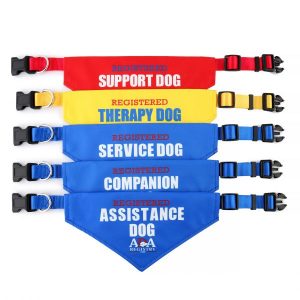
Service Dog Bandana
$39.95 Learn more This product has multiple variants. The options may be chosen on the product page
Custom ID Cards

Custom ID Cards
Custom Service Dog Tags
Official Dog Vests

Smart Vests
Official Public Access Kits
Complete Kits
USA & CANADA Letters

High Quality Bandanas
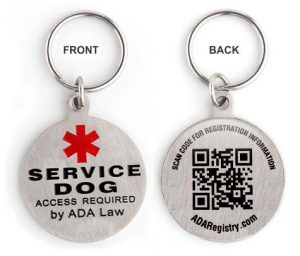
Service Dog Tags
Smart Tags

ESA TAGS