Schipperke as a Therapy Dog
Register Any Breed
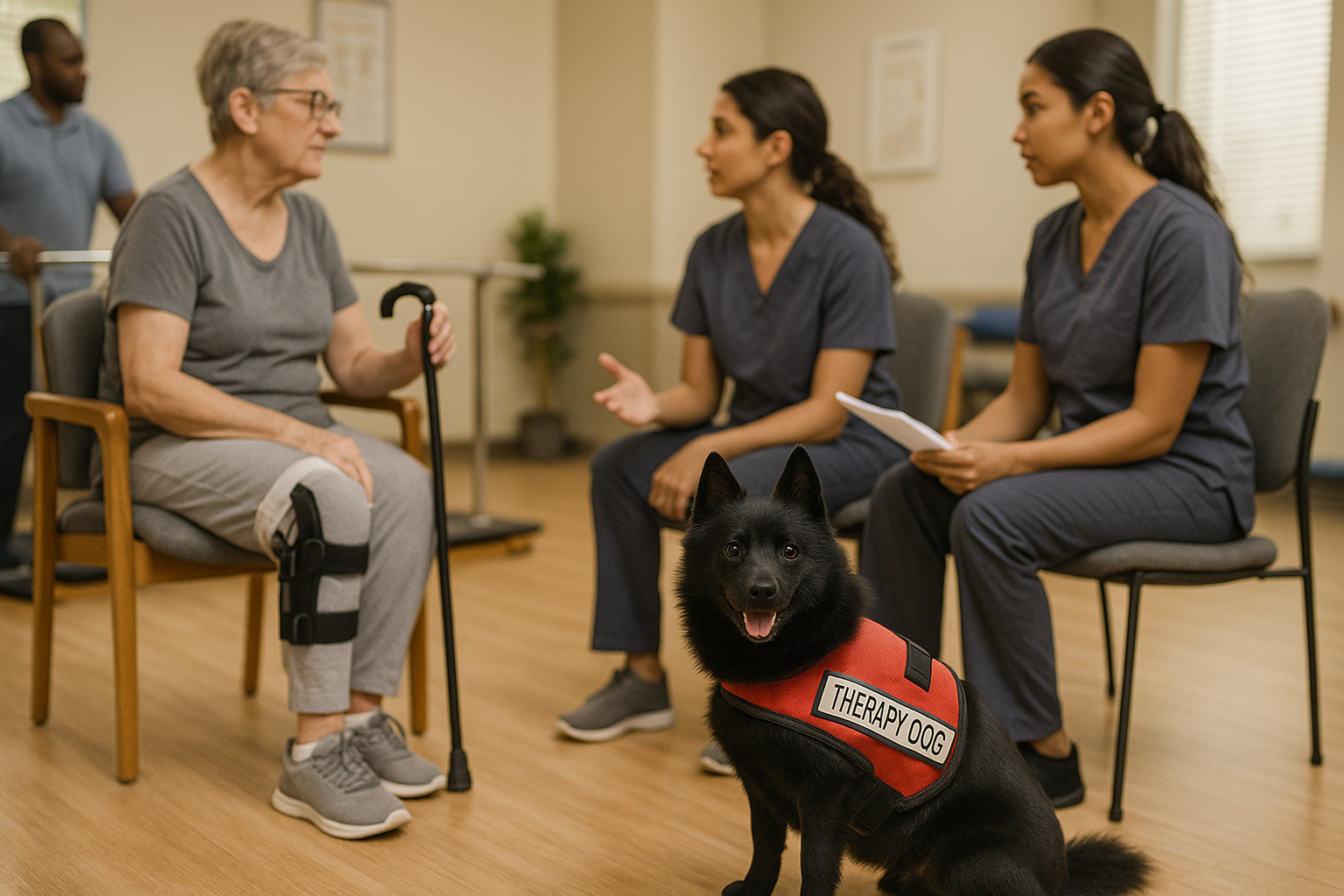
The Schipperke, a small breed known for its lively personality and distinctive appearance, is gradually gaining recognition in the therapy dog world. Their unique combination of energy, intelligence, and emotional sensitivity makes them an intriguing choice for individuals and organizations looking to incorporate animal-assisted therapy into their programs. In this article, we’ll delve into how the Schipperke can excel as a therapy dog, explore their characteristics, and evaluate their potential roles in various therapeutic settings.
Schipperke as a Therapy Dog Overview
Understanding the Schipperke's capabilities and limitations as a therapy dog involves examining several aspects, from their temperament to their physical health, and how these contribute to their effectiveness in a variety of environments.
Understanding the Therapy Dog Role
Therapy dogs are trained to provide comfort and affection to individuals in settings such as hospitals, schools, and rehabilitation centers. Unlike service dogs, therapy dogs are used primarily for their calming presence and emotional support.
- Emotional Support: Therapy dogs must be able to sense and respond to human emotions, providing comfort where necessary.
- Adaptability: Being adaptable to various settings and situations is crucial to meet the demands of different environments.
- Calmness: A degree of calmness is necessary to soothe those in distress and remain composed in unpredictable scenarios.
Physical Appearance and Energy Level
The Schipperke is a small dog characterized by its fox-like face, pricked ears, and a double coat. Despite their size, they have a robust physical presence.
- Stature: Their small frame allows them to easily navigate and interact with people in confined spaces, such as hospital rooms.
- Energy Level: Schipperkes are energetic and require regular physical activity, making them lively companions that can uplift the spirits of many. However, this energy must be managed to avoid overwhelming those they interact with.
Personality and Emotional Intelligence
Schipperkes possess a keen emotional intelligence that enables them to connect deeply with people, a key trait for any therapy dog.
- Empathy: Their ability to pick up on human emotions can make them particularly effective in therapy sessions aimed at emotional healing.
- Confidence: While assertive and confident, Schipperkes should be trained to channel these traits positively in therapy settings.
- Independence: An independent streak can be beneficial, providing them the ability to assess and respond to emotional cues autonomously, though initial training is essential to guide its development in therapeutic contexts.
Environments Where Schipperke Excels
The environment in which a therapy dog operates significantly affects its performance.
- Hospitals: Schipperkes adapt well to hospitals due to their compact size and mobility. They can bring cheer to patients confined to bed or entwined in medical equipment.
- Schools: In educational settings, Schipperkes are effective in helping children manage stress by providing non-judgmental companionship.
- Rehabilitation Centers: Their lively disposition can motivate patients during physical therapy sessions, while their empathetic nature offers emotional support.
Common Therapy Settings
Given their manageable size and affable nature, Schipperkes are well-suited to various therapy settings that require close interaction with individuals.
Register Any Breed
- Elderly Care Facilities: Their gentle demeanor makes them ideal for visiting elderly populations, offering companionship and stimulating engagement with residents.
- Libraries or Reading Programs for Children: Schipperkes can participate in literacy programs, helping children build reading confidence as they read aloud to a non-critical audience.
Interactions with Different Populations
The Schipperke's ability to adapt to various human interactions is critical for its success as a therapy dog.
- Children: Their playful yet gentle nature allows them to connect with children, helping alleviate anxiety and providing joy.
- Elderly: Their calm and attentive demeanor can be particularly comforting to older adults, providing soothing presence and companionship.
- Individuals with Disabilities: Schipperkes can offer emotional support to individuals with physical or developmental challenges, providing comfort and easing experiences of isolation.
Health and Wellness Factors
Maintaining the health of a therapy dog ensures they are fit to provide consistent support in therapeutic settings.
- Common Ailments: While generally healthy, Schipperkes can face issues like hip dysplasia or eye problems, which need to be monitored to ensure their comfort and ability to perform tasks.
- Exercise Needs: Regular activity is necessary to maintain their health, though care must be taken to balance their energy for therapy sessions.
Lifespan and Common Health Issues
Understanding the longevity and potential health challenges of a Schipperke helps in planning its role and integration as a therapy dog.
- Lifespan: Schipperkes generally live between 12 to 15 years, offering many years of service as a therapy dog.
- Health Concerns: Monitoring for common health issues is crucial to maintaining their ability to participate in therapy work without distress or discomfort.
Maintenance and Care Needs
Providing appropriate care ensures a Schipperke is always ready for therapy work.
- Grooming: Their double coat requires regular grooming to maintain condition and hygiene, particularly important in clinical settings to prevent allergens or infection risks.
- Nutrition and Diet: A balanced diet supports their energy needs and overall health, critical to performing their role effectively.
Training and Certification Readiness
The Schipperke's intelligence and responsiveness are assets in training for therapy certification.
- Learning Type: Known for their quick learning ability, Schipperkes benefit from consistent and patient training methods that reinforce positive behaviors.
- Certification Courses: Engaging in specific therapy dog training modules ensures they meet certification standards and are well-prepared for therapy tasks.
Learning Style and Responsiveness
Exploring how Schipperkes learn can guide effective training methods tailored to therapy work.
- Receptiveness to Training: Although independent, they are eager learners when training involves positive reinforcement.
- Sensory Processing: Schipperkes excel in environments where they are required to process sensory stimuli, demonstrating an awareness critical for therapy interactions.
Handling Social and Emotional Stimuli
The emotional environment of therapy settings demands that Schipperkes can handle varying emotional cues effectively.
- Stress Management: Schipperkes need training in managing their stress to avoid transferring anxiety to their human counterparts.
- Social Engagement: Their natural curiosity and sociability allow them to integrate into therapy settings effortlessly, promoting interaction that benefits emotional well-being.
Strengths, Limitations, and Ideal Roles for Schipperke
While Schipperkes possess many traits conducive to therapy work, it’s vital to recognize both their strengths and limitations to place them in roles where they are most effective.
- Strengths: Their empathy, energy, and size are advantageous in creating positive interactions in therapy environments.
- Limitations: Their high energy requires careful management to prevent overwhelming individuals in sensitive settings.
- Ideal Roles: Ideal placements include settings where their lively nature can be a boon, such as with children or in active therapy sessions for physical rehabilitation.
Final Thoughts
The Schipperke's blend of intelligence, energy, and emotional attuneness positions them as potential assets in the therapy world. Their ability to adapt to various environments and connect with diverse populations makes them valuable partners in mental, emotional, and physical health interventions.
Key Takeaways for the Schipperke as a Therapy Dog
- Best suited for: Active engagement environments like children’s therapy or rehabilitation centers.
- Not ideal for: Extremely quiet or low-stimulation environments where their energy may not be adequately channeled.
- Temperament highlights: Empathetic, independent, and lively, with a quick learning ability.
- Care and health notes: Regular grooming and monitoring of common health issues like eye problems are essential.
- Therapy environments where they shine: Hospitals, schools, rehabilitation centers, and elderly care facilities, offering emotional support and engagement.


-
Public Access Kits
$149.00 Learn more This product has multiple variants. The options may be chosen on the product page -
Quick Ship Premium Vests
$48.00 – $82.00 Learn more This product has multiple variants. The options may be chosen on the product page -
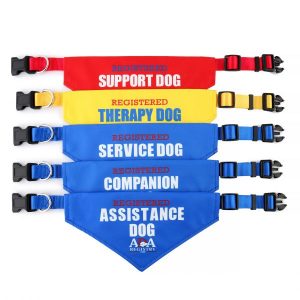
Service Dog Bandana
$39.95 Learn more This product has multiple variants. The options may be chosen on the product page
Custom ID Cards

Custom ID Cards
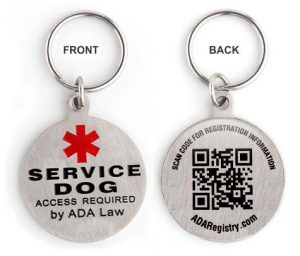
Custom Service Dog Tags
Official Dog Vests

Smart Vests
Official Public Access Kits
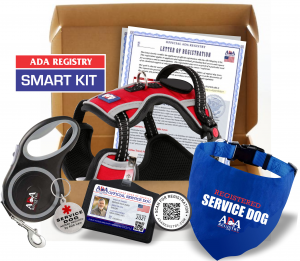
Complete Kits
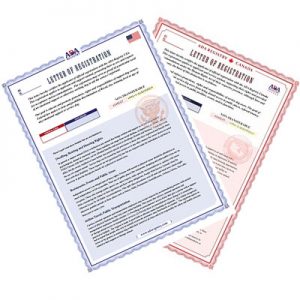
USA & CANADA Letters
High Quality Bandanas
Service Dog Tags
Smart Tags

ESA TAGS