Scottish Deerhound as a Therapy Dog
Register Any Breed
Scottish Deerhound as a Therapy Dog Overview
The Scottish Deerhound, known for its noble presence and calm demeanor, is often overlooked in the search for therapy dogs. This breed, originally bred for hunting, possesses traits that can be harnessed effectively in therapeutic settings. This article explores the potential of the Scottish Deerhound as a therapy dog, examining the breed's temperament, physical attributes, and their suitability for various therapy environments. Throughout, we focus on the specific traits that influence their success in this role and provide guidance on care and training for aspiring therapy dog handlers.
Understanding the Therapy Dog Role
Therapy dogs play an essential role in providing emotional support, improving mental health, and helping people in recovery. Unlike service dogs, therapy dogs provide comfort and affection to multiple people in settings like hospitals, schools, and nursing homes. Their duty is to create a positive emotional atmosphere, which necessitates specific behavioral traits. Essential qualities for a therapy dog include patience, calmness, sociability, and an innate ability to read human emotions. Scottish Deerhounds, with their gentle demeanor and keen sensitivity, are well-suited to this demanding but rewarding role.
Physical Appearance and Energy Level
Scottish Deerhounds are large and graceful, with a dignified and gentle appearance that often puts people at ease. Their physical presence is imposing yet comforting, a crucial factor in therapeutic settings. Standing between 28 and 32 inches tall and weighing between 75 to 110 pounds, they possess an aura of strength mixed with kindness. Their energy levels are moderate, allowing them to remain composed and non-disruptive during therapy sessions.
Their minimal grooming needs also favor their role in therapy, requiring only regular brushing to maintain a healthy coat. This ease of maintenance ensures they can be kept in optimal condition for frequent therapy visits without excessive grooming demands. Additionally, their physical strength allows them to endure extended periods of standing or sitting with clients, proving their adaptability to various therapy environments.
Personality and Emotional Intelligence
The Scottish Deerhound's personality is characterized by an impressive level of emotional intelligence. Known for their gentle and affectionate nature, they have a unique ability to tune into human emotions. These dogs exhibit a calm presence that can soothe even the most anxious individuals, making them ideal candidates for therapy work. They exhibit a notable level of empathy, often seeking to comfort those who are distressed.
While reserved with strangers initially, their friendly demeanor emerges quickly in familiar settings, and they warm up to people with remarkable ease. Their loyalty and propensity for forming strong bonds make Scottish Deerhounds particularly effective in long-term therapy relationships, providing consistent companionship to individuals in need of emotional support.
Environments Where Scottish Deerhound Excels
Scottish Deerhounds excel in a variety of therapy environments due to their adaptable and serene nature. They thrive in settings such as hospitals and nursing homes, where their calm presence can ease anxiety and provide comfort. Their impressive stature can also garner attention and engagement from patients, facilitating therapeutic interactions. Additionally, they are well-suited to rehabilitation centers, where their patience and gentle encouragement can aid in recovery processes.
Register Any Breed
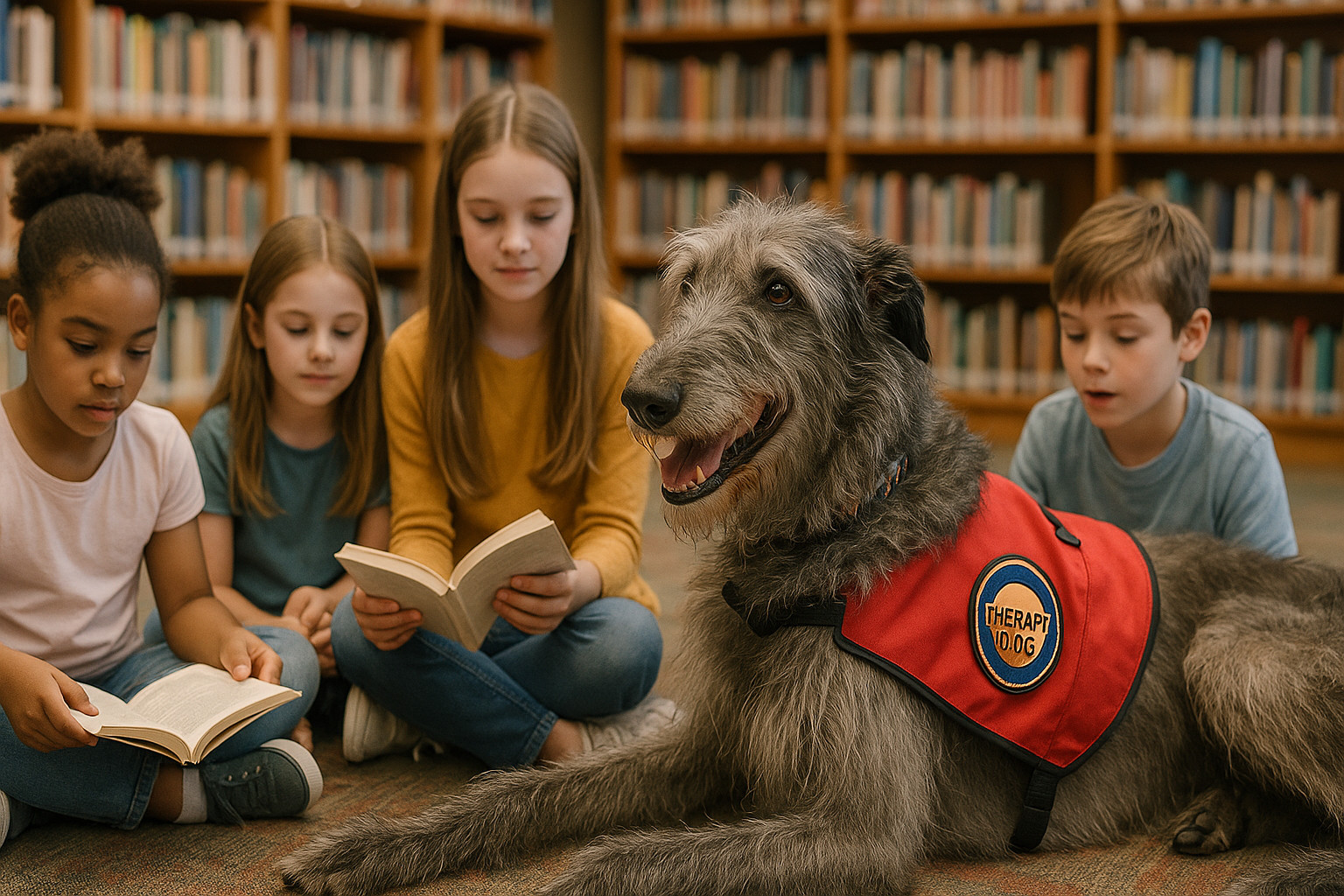
In school settings, their large size and gentle nature make them approachable to children, serving as non-judgmental listeners and companions. Their ability to create a positive, calming atmosphere is invaluable in environments that require emotional resilience and adaptability.
Common Therapy Settings
In clinical and educational environments, Scottish Deerhounds shine due to their calming influence and ability to engage with diverse populations. Common therapy settings for this breed include:
- Hospitals: Their gentle presence can uplift and comfort patients undergoing medical treatments.
- Nursing homes: The deerhound's calm demeanor makes them ideal for spending time with elderly individuals, offering companionship and reducing feelings of loneliness.
- Schools: They can serve as reading buddies for children, promoting literacy and reducing anxiety related to learning.
- Rehabilitation centers: Their patience aids in encouraging progress during physical and emotional recovery.
Their natural disposition to remain calm and non-intrusive ensures they are well-received across these various environments, making them versatile therapy partners.
Interactions with Different Populations
The Scottish Deerhound's gentle and understanding nature allows them to interact effectively with a wide range of individuals. They are particularly adept at bringing comfort and joy to the elderly, engaging positively with children, and offering companionship to patients in recovery. Their intuitive awareness of emotional cues enables them to adjust their behavior according to the needs of the individual they are working with, highlighting their versatility in interacting with diverse populations.
Although their large size may initially intimidate some people, their gentle approach often quickly alleviates any fears, allowing them to form meaningful connections with clients of all ages. This ability to adapt to each individual's needs makes them invaluable assets in therapeutic environments.
Health and Wellness Factors
The health and wellness of therapy dogs are pivotal in ensuring their ability to perform their roles effectively. Scottish Deerhounds, with their robust yet sensitive nature, require careful monitoring to ensure they remain fit for therapy. Regular veterinary check-ups and a balanced diet are essential to maintain their overall health. Due to their size, they're also prone to certain health issues, such as bloat and hip dysplasia, necessitating proactive health management.
Their exercise needs, while moderate, should not be neglected. Regular walks and mental stimulation are necessary to keep them physically and mentally healthy, ensuring they bring forth their best qualities during therapy sessions.
Lifespan and Common Health Issues
The average lifespan of a Scottish Deerhound ranges from 8 to 11 years. However, like many large breeds, they are prone to specific health issues that can impact their role as therapy dogs. Common concerns include:
- Bloat (Gastric Dilatation-Volvulus): A potentially life-threatening condition that requires immediate attention.
- Hip Dysplasia: A genetic condition that can lead to arthritis or pain.
- Cancer: Certain forms of cancer are relatively common in the breed.
Awareness and early detection through regular veterinary care are crucial to managing these health concerns, ensuring that Scottish Deerhounds can maintain their ability to participate in therapy settings to the fullest.
Maintenance and Care Needs
Scottish Deerhounds, while being relatively low-maintenance, do require certain considerations to be kept in optimal health for therapy work. Their wiry coat benefits from weekly brushing to prevent matting and maintain a healthy shine, and regular grooming ensures they remain presentable for therapy sessions.
Their dietary needs must be met with a balanced diet to sustain their energy levels and overall health. Preventive care, such as dental hygiene and regular nail trims, is also essential. With these routines in place, a Scottish Deerhound can thrive as a therapy dog, consistently delivering comfort and support.
Training and Certification Readiness
Training a Scottish Deerhound for therapy work involves developing their natural predisposition for empathy and calmness into structured behaviors suitable for therapeutic contexts. Their keen intelligence and willingness to please make them quick learners, though they benefit from positive reinforcement and gentle guidance due to their sensitive nature.
Earning therapy dog certification necessitates a series of steps, including basic obedience training and socialization, followed by specialized courses focused on therapy tasks. Once certified, Scottish Deerhounds can confidently enter therapy settings, utilizing their inherent characteristics to benefit those they serve.
Learning Style and Responsiveness
Known for their perceptive intelligence, Scottish Deerhounds respond well to training methods rooted in positive reinforcement. Their eagerness to learn, combined with a desire to bond with their trainers, facilitates a smooth training process. Effective training sessions should incorporate consistency, patience, and clear communication to maintain their focus and maximize learning outcomes.
Despite their willingness to learn, it's essential to tailor training to each individual dog's pace, as some might require additional time to master certain commands, especially in environments with multiple distractions. Their adaptability ensures that, with the appropriate approach, they become reliable companions in therapy settings.
Handling Social and Emotional Stimuli
A Scottish Deerhound's capacity to handle social and emotional stimuli is one of their defining traits as a therapy dog. They demonstrate remarkable resilience to unpredictable situations, maintaining composure and providing unwavering support even in high-stress environments. Their ability to read human emotions allows them to offer precise and comforting responses in emotionally charged settings.
While their gentle nature is highly beneficial, handlers should monitor their interactions closely to prevent any potential stress from overloaded environments. Regular breaks and adequate downtime are essential for these sensitive dogs to recharge, ensuring their continued effectiveness as a therapeutic presence.
Strengths, Limitations, and Ideal Roles for Scottish Deerhound
Scottish Deerhounds possess numerous strengths that make them ideal therapy dogs, including their empathy, calm demeanor, and adaptability. Their notable limitations include their size, which may not be suitable for all environments, and susceptibility to certain health conditions, which require vigilant health management.
Ideal roles for Scottish Deerhounds in therapy settings include:
- Emotional support for patients in hospitals and therapy centers.
- Companionship for elderly residents in nursing homes.
- Reading partners for children in educational environments.
Their ability to provide non-judgmental companionship and emotional comfort defines their strengths, making them valuable members of any therapy program.
Final Thoughts
The Scottish Deerhound stands as a gentle giant in the realm of therapy dogs, offering a blend of empathy, calmness, and adaptability that can greatly benefit those in need of emotional and psychological support. By understanding their unique characteristics and tailoring training and care accordingly, these noble creatures can provide invaluable service in a variety of therapeutic contexts, enriching the lives of those they touch.
Key Takeaways for the Scottish Deerhound as a Therapy Dog
- Best suited for: Hospitals, nursing homes, rehabilitation centers, schools.
- Not ideal for: Highly dynamic or chaotic environments requiring constant activity.
- Temperament highlights: Empathy, calmness, adaptability, emotional intelligence.
- Care and health notes: Regular grooming, mindful of bloat and hip dysplasia, moderate exercise needs.
- Therapy environments where they shine: Settings needing a calming presence, patient interactions, educational support.


-
Public Access Kits
$149.00 Learn more This product has multiple variants. The options may be chosen on the product page -
Quick Ship Premium Vests
$48.00 – $82.00 Learn more This product has multiple variants. The options may be chosen on the product page -
Service Dog Bandana
$39.95 Learn more This product has multiple variants. The options may be chosen on the product page
Custom ID Cards

Custom ID Cards
Custom Service Dog Tags
Official Dog Vests

Smart Vests
Official Public Access Kits
Complete Kits
USA & CANADA Letters
High Quality Bandanas
Service Dog Tags
Smart Tags

ESA TAGS