Scottish Terrier as a Therapy Dog
Register Any Breed
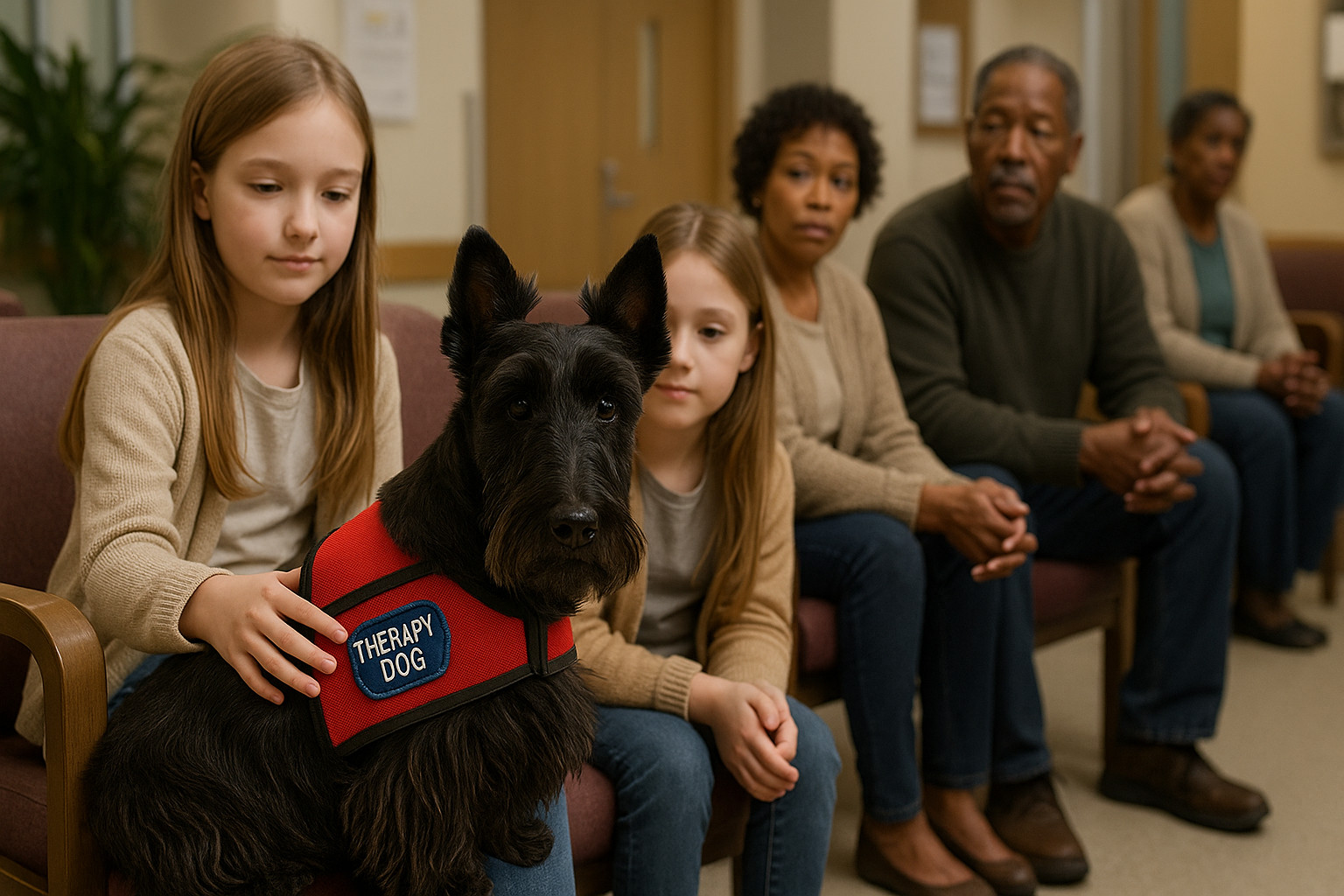
Scottish Terrier as a Therapy Dog Overview
The Scottish Terrier, affectionately known as the "Scottie," is a breed celebrated for its intelligent gaze, spirited attitude, and unwavering loyalty. When considering the role of a therapy dog, the Scottish Terrier offers unique qualities that position it as an effective companion in settings that require emotional sustenance and engagement. While not traditionally the first choice for therapy roles due to their independent nature, with the right training and handler understanding, Scotties can provide meaningful connections in various therapeutic environments. This article explores the suitability of Scottish Terriers in therapy dog roles through a comprehensive examination of their temperament, behavior, health, and training potential.
Understanding the Therapy Dog Role
Therapy dogs are accompanists in healing, providing comfort, support, and relief in numerous settings such as hospitals, schools, and elderly care facilities. Unlike service dogs, therapy dogs are primarily focused on facilitating positive interactions through their presence and affectionate behaviors. The effectiveness of a therapy dog relies heavily on temperament, empathy, adaptability, and the ability to manage stress in diverse social and clinical contexts. The Scottish Terrier, with its keen sense of personality and distinct characteristics, may offer a unique addition to therapy programs when carefully selected and trained.
Physical Appearance and Energy Level
The Scottish Terrier is a small and sturdy dog, generally weighing between 18 to 22 pounds. Its compact size and robust constitution make it an adaptable choice for therapy work, as it can easily navigate various environments without being physically imposing. While their energy levels are moderate, requiring regular exercise to maintain health and happiness, their size ensures they can comfortably be accommodated in confined spaces often found in therapy settings, such as crowded nursing homes or small therapy rooms.
Scotties' notable physical traits:
- Compact size: Allows for easy interaction with different groups, including children or clients who may feel intimidated by larger breeds.
- Moderate energy: Suitable for regular visits without overwhelming excitement that could disrupt therapeutic sessions.
Personality and Emotional Intelligence
A key component of any successful therapy dog is its temperament and emotional intelligence. Scottish Terriers possess a feisty spirit tempered by a dignified demeanor. They have a natural inclination towards forming strong bonds with people, often displaying a unique sensitivity to human emotions. While known for their independence, Scottish Terriers are also incredibly loyal and can become deeply attuned to the emotional states of their handlers and those they interact with.
Personality traits enhancing therapy roles:
- Empathy and sensitivity: Ability to sense and respond to human emotions and adjust behavior accordingly.
- Loyalty and bonding: Capability to establish meaningful connections, crucial for therapeutic interactions.
Environments Where Scottish Terrier Excels
Given their adaptability and size, Scottish Terriers excel in environments where space may be limited, and where individual or small group interactions are prevalent. Their natural inquisitiveness and alert nature make them particularly engaging in settings where cognitive stimulation is beneficial.
Register Any Breed
Ideal environments for therapy work:
- Schools and educational programs: Engaging with children and promoting emotional and social development.
- Hospices or retirement homes: Offering companionship to elderly individuals who may benefit from intimate, ongoing relationships.
Common Therapy Settings
Therapy settings benefit from the structured but varied presence of a dog like the Scottish Terrier, whose adaptability can shine through in several contexts:
Popular therapy settings:
- Hospitals and rehabilitation centers: Helping to reduce anxiety and stress.
- Reading programs: Assisting in literacy development by providing a comforting presence.
Interactions with Different Populations
Scotties showcase versatility in relating to different populations through their controlled and gentle demeanor, provided they have undergone appropriate socialization and training. They can be exceptional with children, promoting physical, emotional, and cognitive growth through carefully supervised programming.
Population-specific interactions:
- With children: Empowers confidence and encourages interaction.
- With elderly patients: Offers companionship and combats isolation, vital for mental well-being.
Health and Wellness Factors
A well-maintained Scottish Terrier can be a robust and long-lived companion well-suited to regular therapy work. However, potential health issues must be actively managed:
Health considerations:
- Lifespan: Average of 11 to 13 years, allowing for a substantial therapy career.
- Common health issues: Risk of specific genetic conditions like Scottie cramp, requiring regular veterinary check-ups.
Lifespan and Common Health Issues
Understanding the breed's lifespan and health predispositions is crucial for a therapy dog's longevity and effectiveness:
Common health challenges:
- Scottie cramp and von Willebrand's disease: Can impact availability for therapy work if not properly managed.
- Regular grooming: Necessary to prevent skin issues and maintain visual clarity, crucial for interactions.
Maintenance and Care Needs
Scottish Terriers require regular grooming to maintain their iconic wiry coat and avoid common dermatological issues. This grooming routine can become an additional bonding experience in therapy settings, providing comfort through tactile interaction.
Care essentials:
- Grooming routine: Involves regular trimming and bathing.
- Diet and exercise: Balanced regime promoting health and energy management.
Training and Certification Readiness
Despite their independent nature, Scottish Terriers are capable of being trained as therapy dogs with persistence and positive reinforcement. Their trainability largely depends on the handler’s understanding of the breed's unique motivations and abilities.
Learning Style and Responsiveness
Scottish Terriers have a distinct learning style that requires patience and consistency. Positive reinforcement with a focus on rewarding calm and controlled behaviors tends to yield the best results. Training sessions should be engaging, incorporating interactive activities that stimulate their natural curiosity.
Training dynamics:
- Consistency and patience: Essential for adherence to therapy protocols.
- Responsiveness: Dependent on mutual respect and understanding between dog and handler.
Handling Social and Emotional Stimuli
A Scottish Terrier’s response to social and emotional stimuli is often thoughtful and measured, making them suitable candidates for therapeutic engagements when properly acclimated. These dogs are naturally aware of their surroundings and can learn to interpret subtle cues from patients, facilitating comforting interactions.
Strengths, Limitations, and Ideal Roles for Scottish Terrier
While Scottish Terriers have strengths that render them effective therapy dogs in specific contexts, there are also limitations to consider. Their independent streak can sometimes be a hindrance if not managed with careful training and understanding. However, their ability to bond and empathize can be a significant asset in relational therapy work.
Strengths:
- Loyal and empathetic nature
- Adaptability to confined and varied environments
Limitations:
- Stubbornness requiring robust training
- Potential health issues impacting participation
Final Thoughts
The Scottish Terrier offers a distinct blend of characteristics well-suited to certain therapy roles. When supported by the right training and an understanding handler, they can bring unique benefits to therapy settings where controlled, loyal, and empathetic interaction is desired. Their physical and emotional ability to connect with diverse populations facilitates impactful therapeutic encounters, making them a viable choice for specialized therapy dog roles.
Key Takeaways for the Scottish Terrier as a Therapy Dog
- Best suited for: Intimate therapy settings such as schools, retirement homes, and educational programs.
- Not ideal for: High-intensity therapy work requiring constant physical interaction or rapid adaptability.
- Temperament highlights: Empathetic, loyal, with a possibility for robust bonding.
- Care and health notes: Regular grooming needed; awareness of common genetic health issues.
- Therapy environments where they shine: Schools, reading programs, and elderly care facilities.
With thoughtful preparation and ongoing care, Scottish Terriers can offer invaluable companionship and support, enhancing the quality of life for many in need of emotional and social interaction.


-
Public Access Kits
$149.00 Learn more This product has multiple variants. The options may be chosen on the product page -
Quick Ship Premium Vests
$48.00 – $82.00 Learn more This product has multiple variants. The options may be chosen on the product page -
Service Dog Bandana
$39.95 Learn more This product has multiple variants. The options may be chosen on the product page
Custom ID Cards

Custom ID Cards
Custom Service Dog Tags

Official Dog Vests

Smart Vests
Official Public Access Kits
Complete Kits
USA & CANADA Letters

High Quality Bandanas

Service Dog Tags
Smart Tags

ESA TAGS