Shetland Sheepdog as a Therapy Dog

Register Any Breed
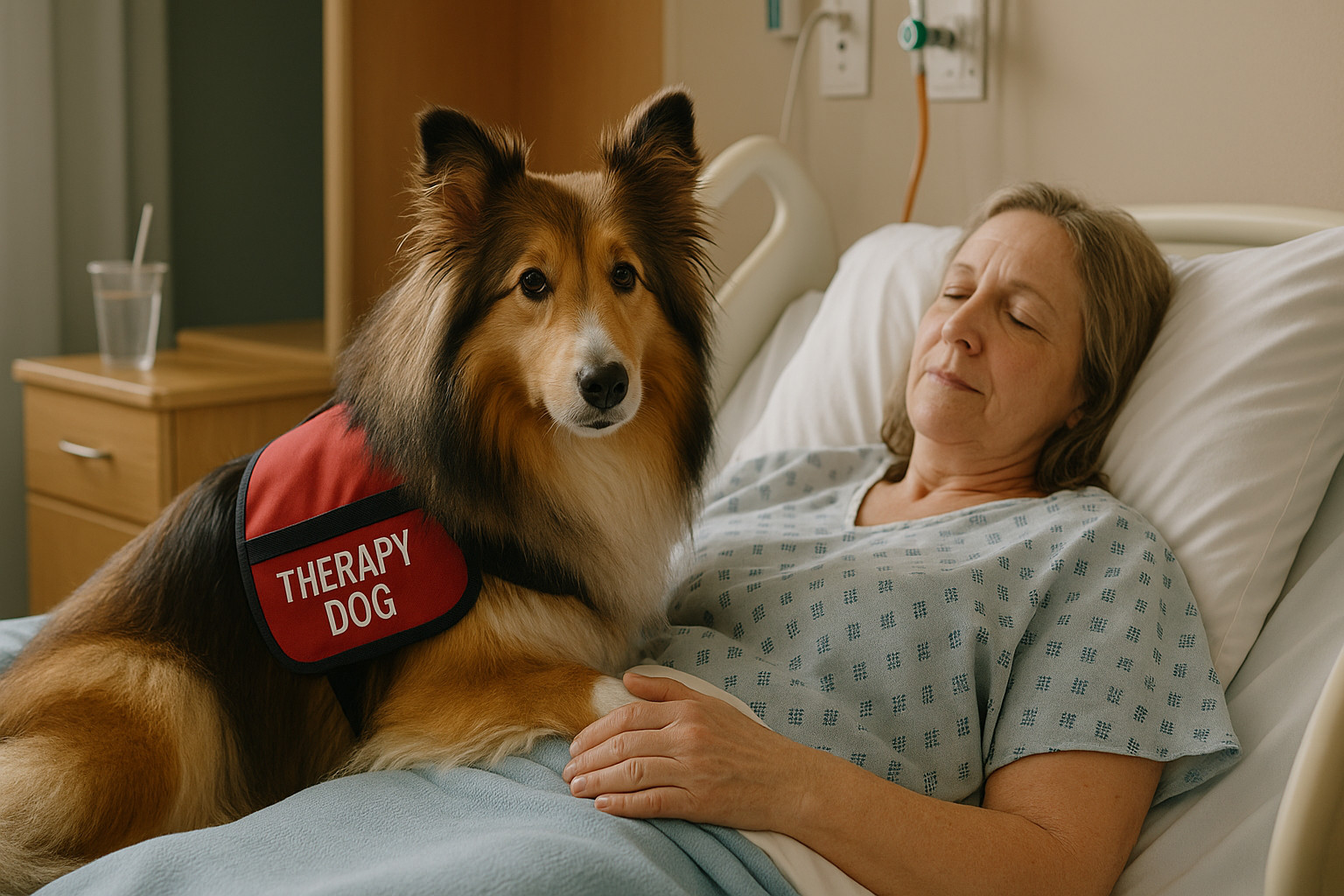
Shetland Sheepdogs, often referred to as "Shelties," are a highly adaptable and intelligent breed well-regarded for their suitability as therapy dogs. With their keen sensitivity to human emotions and small yet energetic stature, Shelties bring a unique blend of qualities that make them exceptional companions in various therapeutic contexts. This article provides an in-depth look at how this breed's characteristics align with therapy roles, diving into their emotional intelligence, health factors, and suitability for diverse environments such as hospitals, schools, and rehabilitation centers.
Shetland Sheepdog as a Therapy Dog Overview
Shetland Sheepdogs have a rich history as herding dogs, which contributes to their alertness, sharp intellect, and strong desire to work closely with humans. These traits translate effectively into therapy work, where Shelties can maintain focus, provide comfort, and respond well to the needs of those they serve.
Understanding the Therapy Dog Role
Therapy dogs provide emotional support and comfort to various groups of people, ranging from hospital patients to children in educational settings. Unlike service dogs that perform specific tasks for individuals with disabilities, therapy dogs visit institutions to improve the well-being and mental health of the many individuals they interact with. A Shetland Sheepdog's capacity to adapt, coupled with their gentle demeanor, allows them to connect and form bonds in these settings, proving beneficial through regular visitation programs.
Physical Appearance and Energy Level
The Shetland Sheepdog, characterized by its lush double coat, expressive eyes, and agile build, is neither too large nor too small, making them ideal for environments where space is limited or crowded. Their manageable size allows them to comfortably interact with people of all ages, including seniors and children.
- Energy Level: Shelties are known for their energetic disposition but balance it with a calm presence when needed. This adaptability allows them to be stimulating and engaging companions without being overwhelming or intrusive.
- Appearance: The breed's attractive coat and cheerful appearance are often comforting to individuals who find joy in petting or visually appreciating the beauty of animals, adding to their therapeutic appeal.
Personality and Emotional Intelligence
Shetland Sheepdogs possess an inherent emotional intelligence that enables them to sense and respond to the emotional states of people around them. This sensitivity is a core asset in therapy settings where emotional support is paramount.
- Empathy: Shelties show a high level of empathy, naturally gravitating towards people who may need comfort or companionship.
- Calmness: Despite their lively nature, Shelties exhibit a calm presence when interacting with individuals requiring gentler interaction.
Environments Where Shetland Sheepdog Excels
Shelties are highly versatile and excel in numerous environments thanks to their adaptability and keen awareness of their surroundings.
- Hospitals and Healthcare Facilities: Their ability to offer comfort without causing disruption makes them ideal for these sensitive settings.
- Schools: Shelties can be attentive and patient with children, supporting various educational and emotional development programs.
- Correctional Facilities: Known to improve the moral and emotional environment, Shelties provide companionship and stress relief in these challenging settings.
Common Therapy Settings
Shelties are frequently employed in traditional therapeutic contexts like:
Register Any Breed
- Rehabilitation Centers: Assisting individuals during emotional or physical recovery, providing motivation and a sense of normalcy.
- Nursing Homes: Bringing joy and companionship to the elderly, encouraging reminiscence therapy.
Interactions with Different Populations
Shetland Sheepdogs have a unique way of connecting across demographics. Their adaptability means they can interact with:
- Children: Offering gentle play, patience, and adherence to commands, which supports educational interventions.
- Elderly: Providing soft companionship that can alleviate loneliness and boost morale.
Health and Wellness Factors
The health and wellness of a therapy dog are crucial for ensuring they can safely and consistently provide support.
Lifespan and Common Health Issues
Shelties have a lifespan of 12-15 years and may encounter health issues typical of the breed that need addressing to maintain therapy work efficacy.
- Common Ailments: Includes hip dysplasia, eye conditions, and thyroid problems. Regular veterinary care ensures these issues are managed, allowing the Sheltie to continue their work without discomfort.
Maintenance and Care Needs
Regular grooming is essential for a Sheltie to maintain their hygiene, appearance, and comfort in public settings.
- Grooming Requirements: Routine brushing to prevent matting and shedding is crucial, as is regular bathing to keep their coat fresh and inviting.
Training and Certification Readiness
Shetland Sheepdogs are quick learners and excel in training programs due to their intelligence and eagerness to please.
- Learning Style: They respond well to positive reinforcement and consistency, adapting quickly to the demands of therapy certification.
- Certification Readiness: With their natural predisposition to understand and follow commands, Shelties often perform exceptionally well in canine good citizen tests and therapy certification programs.
Handling Social and Emotional Stimuli
Shelties are adept at handling various social environments and emotional stimuli thanks to their balanced temperament.
- Sensitivity to Stimuli: Being naturally alert, Shelties can adapt their demeanor, ensuring interactions are always appropriate to the emotional climate.
Strengths, Limitations, and Ideal Roles for Shetland Sheepdog
While Shetland Sheepdogs offer numerous strengths, including empathy and intelligence, some limitations exist.
- Strengths: Excel in emotional support roles due to their perceptive nature.
- Limitations: May require consistent mental and physical exercise to maintain optimal behavior and focus in therapeutic settings.
Final Thoughts
Shetland Sheepdogs represent a remarkable choice for therapy work, combining a keen emotional awareness with intelligence and adaptability. They remain steadfast allies to those in need of comfort and encouragement across various therapy environments.
Key Takeaways for the Shetland Sheepdog as a Therapy Dog
- Best suited for: Hospitals, schools, and nursing homes where empathy and calmness are needed.
- Not ideal for: High-security environments where noise or sudden chaos is prevalent.
- Temperament highlights: Empathetic, intelligent, and adaptable; excellent with various age groups.
- Care and health notes: Requires regular grooming and health check-ups to avoid hereditary issues.
- Therapy environments where they shine: Educational and healthcare settings promoting calm interactions.
Shetland Sheepdogs, with their distinct traits, are not just pets but compassionate partners capable of improving lives through their work as therapy dogs.


-
Public Access Kits
$149.00 Learn more This product has multiple variants. The options may be chosen on the product page -
Quick Ship Premium Vests
$48.00 – $82.00 Learn more This product has multiple variants. The options may be chosen on the product page -
Service Dog Bandana
$39.95 Learn more This product has multiple variants. The options may be chosen on the product page

Custom ID Cards

Custom ID Cards
Custom Service Dog Tags
Official Dog Vests
Smart Vests
Official Public Access Kits
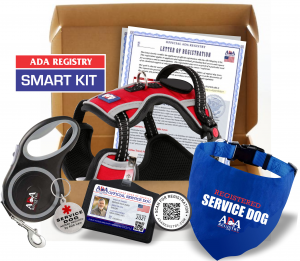
Complete Kits
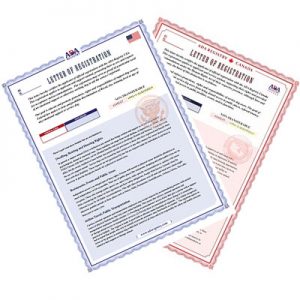
USA & CANADA Letters
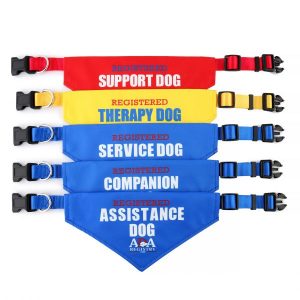
High Quality Bandanas
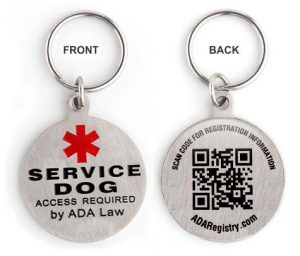
Service Dog Tags
Smart Tags

ESA TAGS