Shih Tzu as a Therapy Dog
Register Any Breed
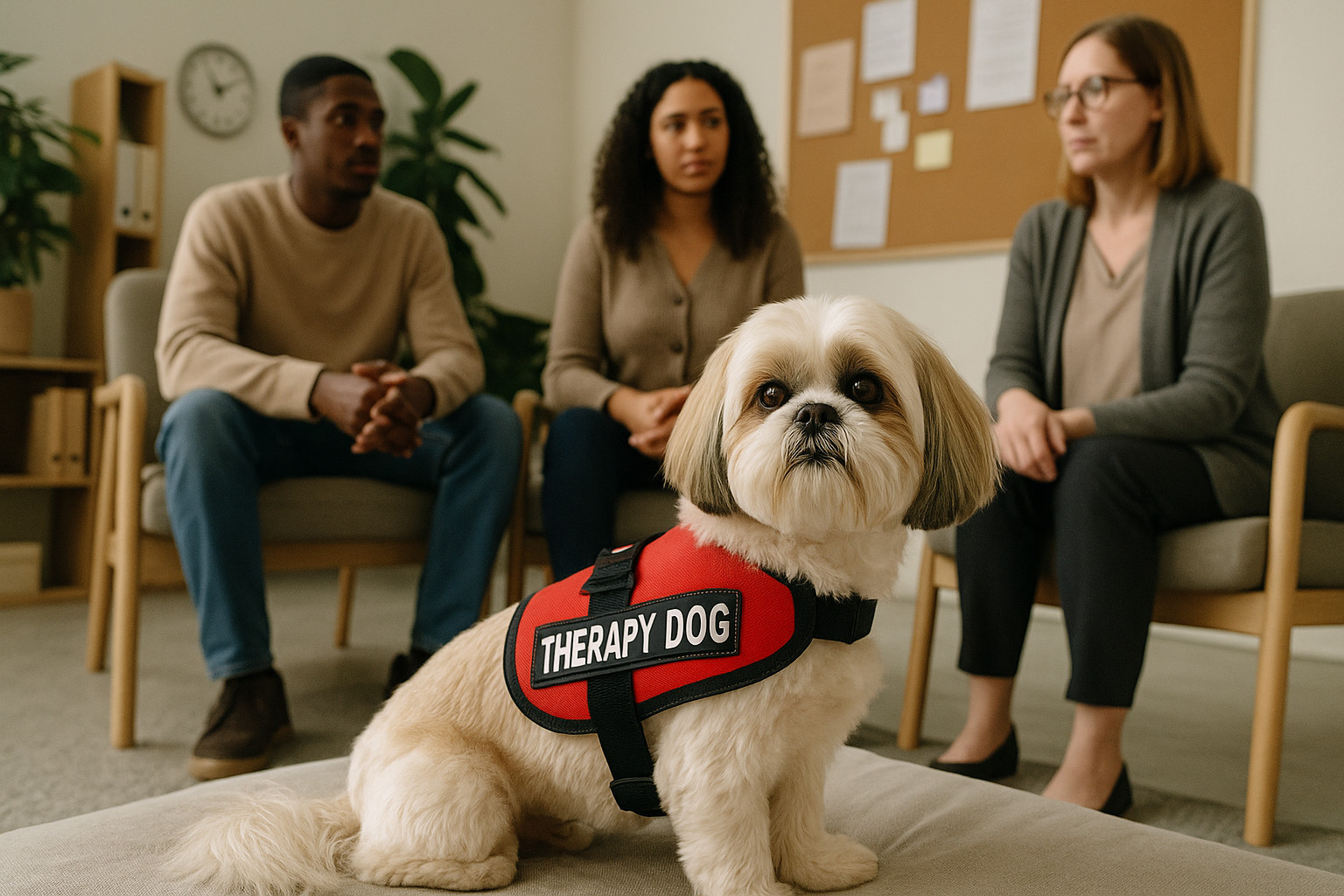
The Shih Tzu, renowned for its warm-hearted demeanor and historical lineage, serves as an exceptional choice as a therapy dog. Those involved in the breeding and training of therapy dogs have often turned to the Shih Tzu for its remarkable ability to provide comfort, companionship, and emotional support. In this article, we explore the various aspects of the Shih Tzu’s suitability for therapy work, ranging from their temperament to their care needs.
Shih Tzu as a Therapy Dog Overview
Understanding the Therapy Dog Role
Therapy dogs engage with individuals in supportive settings, offering psychological or physiological therapy to enhance well-being. Unlike service dogs, therapy dogs are not tasked with dedicated service commands but are valued for their ability to provide emotional comfort. The Shih Tzu, with its affectionate nature and eagerness to please, fits seamlessly into this role. Its inherently calming presence has a positive effect on human emotions, reducing stress, anxiety, and loneliness.
Physical Appearance and Energy Level
Shih Tzus are small, sturdy dogs with a height range of 9 to 10.5 inches and a weight between 9 to 16 pounds. Their compact size makes them portable and easy to handle in therapy settings where large dogs might be cumbersome. The Shih Tzu's low-to-moderate energy level is perfect for therapy sessions, as they do not require extensive physical exertion, enabling them to sit quietly and provide companionship.
- Size and Portability: Compact size allows them to fit comfortably in laps and on hospital beds.
- Energy Levels: Low to moderate energy needs make them perfect for extended visits.
Personality and Emotional Intelligence
The Shih Tzu is renowned for its friendly and well-mannered personality. These dogs thrive on human interaction and exhibit high levels of empathy, helping them connect with individuals on an emotional level. Their naturally affectionate nature allows them to detect and respond to human emotions, making them excellent companions in therapeutic environments.
- Empathy: Known for sensing moods and offering comfort.
- Affectionate Nature: Bonds quickly and intensely with humans.
Environments Where Shih Tzu Excels
The Shih Tzu's adaptable nature and calm demeanor allow it to excel in a variety of therapy settings. Their resilience to noise and distractions makes them particularly effective in the following environments:
- Hospitals and Healthcare Facilities: Providing comfort and distraction to patients.
- Schools and Libraries: Assisting children in educational therapy programs.
- Rehabilitation Centers: Offering encouragement and presence during recovery.
Common Therapy Settings
Shih Tzus are particularly adept in settings where comfort and gentle companionship are needed. Their patience and low maintenance requirements make them ideal for environments where distractions are frequent and varied:
- Hospitals: Visiting wards to comfort patients.
- Retirement Homes: Engaging with the elderly to reduce loneliness.
- School Programs: Helping children with reading and social skills.
Interactions with Different Populations
The Shih Tzu's small stature and gentle nature make them approachable and safe, especially for children and the elderly. They are adept at interacting with a wide range of people, from young children needing a patient listener to older adults seeking companionship.
Register Any Breed
- Children: Engage and motivate through gentle interaction.
- Elderly: Provide companionship and alleviate feelings of isolation.
Health and Wellness Factors
Maintaining a Shih Tzu's health is vital in ensuring its effectiveness as a therapy dog. Regular veterinary check-ups, balanced nutrition, and adequate exercise are essential to keeping these dogs healthy and ready for work. Potential handlers must be vigilant about health considerations to ensure sustainability in therapy settings.
- Regular Health Screenings: Important to detect and manage common Shih Tzu health issues.
- Balanced Nutrition: Vital to maintaining energy and overall health.
Lifespan and Common Health Issues
Shih Tzus have a lifespan of 10 to 16 years, which provides a long-term opportunity for therapy work. However, they are prone to certain health issues that require attention:
- Brachycephalic Syndrome: Short muzzles may contribute to breathing difficulties.
- Eye Disorders: Common issues like cataracts can affect quality of life.
- Hip Dysplasia: Rare but possible, affecting mobility.
Maintenance and Care Needs
The Shih Tzu has a luxurious double coat that requires frequent grooming to prevent matting and maintain cleanliness. Business owners, volunteers, or healthcare professionals involved in their care must ensure that grooming does not interfere with their therapy schedule.
- Regular Grooming: Essential for coat health and appearance.
- Dental Care: Regular brushing to prevent dental issues.
Training and Certification Readiness
The Shih Tzu’s intelligence and eagerness to please make them relatively easy to train for therapy work. Consistent training and positive reinforcement methods contribute significantly to their readiness for certification.
- Obedience Training: Important for managing behavior in public.
- Socialization: Early exposure to different environments and people.
Learning Style and Responsiveness
Shih Tzus are curious and responsive, with a learning style that benefits greatly from varied, interactive training sessions. Trainers should focus on short, engaging sessions that hold the Shih Tzu's attention and willingness to learn.
- Positive Reinforcement: Most effective method for encouraging good behavior.
- Consistent Training: Helps reinforce learned behaviors.
Handling Social and Emotional Stimuli
Shih Tzus thrive in environments where they are consistently stimulated socially and emotionally. While they remain calm, they also actively engage, which is crucial in therapeutic contexts.
- Calm Demeanor: Steady behavior under diverse conditions.
- Engagement: Active participation in therapy sessions is key to success.
Strengths, Limitations, and Ideal Roles for Shih Tzu
The Shih Tzu’s natural traits lend themselves well to certain functions within therapy work, enriching the lives of those they interact with while also facing some challenges.
- Strengths: Empathy, adaptability, and patience are core attributes.
- Limitations: Physical health concerns may limit endurance or availability.
- Ideal Roles: Best suited to environments requiring calm, steady presence.
Final Thoughts
The Shih Tzu’s affectionate and adaptable nature makes it an excellent candidate for therapy work. When properly cared for and trained, they bring tremendous value through their companionship and emotional support. For those seeking a devoted therapy dog, the Shih Tzu offers a blend of loyalty and empathy that is hard to match.
Key Takeaways for the Shih Tzu as a Therapy Dog
- Best suited for: Hospitals, schools, retirement facilities, and homes seeking companionship.
- Not ideal for: Roles requiring high physical endurance or forceful commands.
- Temperament highlights: Affectionate, patient, and intuitively empathetic.
- Care and health notes: Requires regular grooming and monitoring for common health issues.
- Therapy environments where they shine: Settings needing steady, calming presence and engagement.


-
Public Access Kits
$149.00 Learn more This product has multiple variants. The options may be chosen on the product page -
Quick Ship Premium Vests
$48.00 – $82.00 Learn more This product has multiple variants. The options may be chosen on the product page -
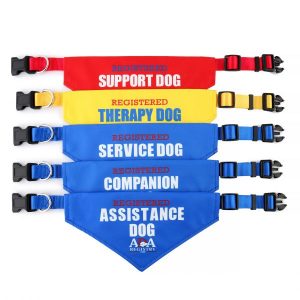
Service Dog Bandana
$39.95 Learn more This product has multiple variants. The options may be chosen on the product page
Custom ID Cards

Custom ID Cards
Custom Service Dog Tags
Official Dog Vests

Smart Vests
Official Public Access Kits
Complete Kits
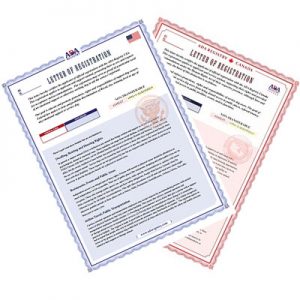
USA & CANADA Letters
High Quality Bandanas
Service Dog Tags
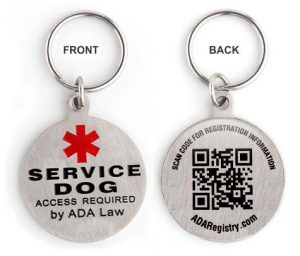
Smart Tags

ESA TAGS