Siberian Husky as a Therapy Dog
Register Any Breed
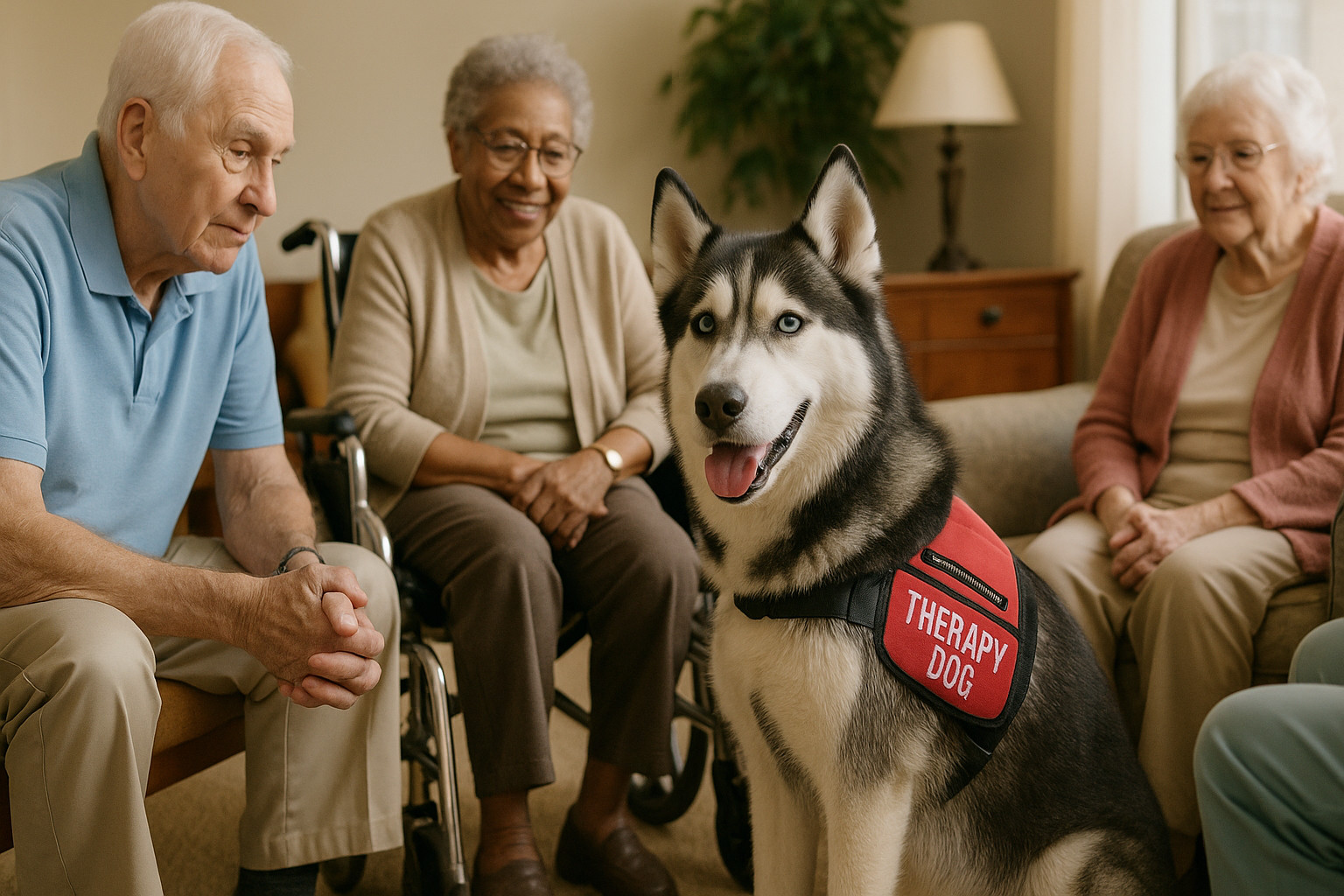
The Siberian Husky is renowned for its striking appearance and lively personality. While traditionally perceived as a working sled dog, the Siberian Husky exhibits qualities that could make it a unique and effective therapy dog when properly trained and matched to the right environment. This article explores the potential of the Siberian Husky as a therapy dog, emphasizing the breed's temperament, physical traits, and adaptability to various therapy settings.
Siberian Husky as a Therapy Dog Overview
Therapy dogs play a crucial role in promoting emotional well-being across diverse settings, from hospitals to educational environments. Unlike service dogs that perform specific tasks for disabled individuals, therapy dogs provide emotional support and comfort through positive interactions. Understanding the capabilities and limitations of the Siberian Husky in this context requires an in-depth examination of several factors.
Understanding the Therapy Dog Role
Therapy dogs must possess an innate ability to foster trust and provide comfort. Key to this role is a temperament marked by calmness, empathy, and a responsive nature. The Siberian Husky's sociable disposition often allows it to form bonds quickly, making it well-suited for environments where patient interactions are critical. Their striking appearance can be uplifting, potentially initiating positive dialogues in therapy settings. However, their naturally high energy levels require proper channeling to ensure calmness, particularly in sensitive situations.
Physical Appearance and Energy Level
The Siberian Husky's majestic appearance can itself be therapeutic. Their striking, wolf-like features often captivate and intrigue those they interact with, making initial sessions more engaging. Weighing between 35 to 60 pounds, they exhibit a balance of robustness and agility. High energy levels are a hallmark of the breed, which can be both a strength and a limitation. While their enthusiasm can bring joy, it must be tempered to maintain a peaceful presence, a crucial aspect for therapy dog roles.
Personality and Emotional Intelligence
Known for their congenial nature, Siberian Huskies possess a genuine willingness to engage almost anyone, showcasing an open and friendly personality. This breed often demonstrates significant emotional intelligence, able to sense moods and adapt its behavior—a critical trait for therapeutic settings. However, their independent streak, if not managed, can be challenging. Continual socialization and training enhance their empathy and responsiveness, essential for therapy work.
Environments Where Siberian Husky Excels
When controlled, a Siberian Husky's vibrancy can be advantageous in dynamic settings such as schools or rehabilitation centers where activities might be more interactive. Their ability to interact positively with groups makes them excellent candidates for environments requiring an engaging presence. However, quieter settings like hospital rooms or hospice care might necessitate additional training to ensure subdued behavior.
Common Therapy Settings
- Hospitals: Offer companionship and stress relief to patients, but need disciplined behavior to maintain a tranquil atmosphere.
- Schools: Energetic presence can be motivational, ideal for working with children needing increased engagement and interaction.
- Rehabilitation Centers: Their ability to bring excitement and warmth makes them well-suited for encouraging patients in various recovery phases.
Interactions with Different Populations
The breed's friendly nature means it generally interacts well with people of all ages. Around children, a Siberian Husky’s playfulness can foster joy and participation. For the elderly, their gentle demeanor (when properly trained) and engaging personality can provide invaluable companionship.
Register Any Breed
In situations involving mental health patients, the Husky's sensitivity to emotions can provide meaningful comfort. Yet, considering their energy, ongoing assessment is crucial to match them to populations where they can safely engage and beneficially impact.
Health and Wellness Factors
The Siberian Husky is known for its robust health, though they are prone to certain genetic conditions like hip dysplasia. Regular vet check-ups and a well-maintained diet facilitate their well-being, essential for a therapy dog’s lifespan and effectiveness. Their thick coat requires frequent grooming to minimize shedding and potential allergens that can affect patients, particularly in clinical settings.
Lifespan and Common Health Issues
With a lifespan ranging from 12 to 15 years, Siberian Huskies can serve as long-term therapy companions when well taken care of. Aside from hip dysplasia, eye conditions such as cataracts may arise, necessitating regular health evaluations. Addressing these issues proactively ensures their readiness and reliability as therapy dogs over time.
Maintenance and Care Needs
- Grooming: Regular brushing is essential to manage shedding.
- Exercise: A daily combination of physical exercise and mental stimulation to prevent behavioral issues.
- Nutrition: A balanced diet tailored to maintain optimal health and energy levels.
Training and Certification Readiness
Therapy dogs require a strong foundation in obedience training. Siberian Huskies, while intelligent, may challenge trainers with their independent nature. Consistency and positive reinforcement yield success. Certification programs assess fundamental skills such as sit, stay, and off-leash control, all of which a well-trained Husky can achieve with dedication.
Learning Style and Responsiveness
Huskies learn best through positive reinforcement training, requiring creativity and patience from handlers. Training sessions should integrate engaging activities that harness their intellect and energy. Consistency in training helps develop a responsive and cooperative demeanor vital for therapy work.
Handling Social and Emotional Stimuli
Adapting to various stimuli is crucial for therapy animals. The Husky's curious nature can be harnessed to elicit positive interaction, though managing distractions remains imperative. Continuous exposure to different environments can heighten their adaptability, enhancing their effectiveness across diverse therapy settings.
Strengths, Limitations, and Ideal Roles for Siberian Husky
The Siberian Husky's natural strengths include their sociable disposition and empathetic nature. Limitations stem from their high energy and independence, which may require specific training techniques. Ideal roles include dynamic, interactive settings where their energy promotes engagement and healing.
Final Thoughts
The Siberian Husky possesses many attributes that suit them for therapy dog work, given the right training and environment. Their vibrant presence can uplift spirits while their empathy can provide comfort. Pairing them with environments and populations that align with their strengths ensures they reach their therapeutic potential.
Key Takeaways for the Siberian Husky as a Therapy Dog
- Best suited for: Dynamic environments like schools and rehabilitation centers.
- Not ideal for: Very quiet or highly controlled settings without proper training.
- Temperament highlights: Friendly, intelligent, empathetic, yet independent.
- Care and health notes: Requires regular grooming and exercise; prone to some genetic conditions.
- Therapy environments where they shine: Interactive and engaging settings needing lively presence.


-
Public Access Kits
$149.00 Learn more This product has multiple variants. The options may be chosen on the product page -
Quick Ship Premium Vests
$48.00 – $82.00 Learn more This product has multiple variants. The options may be chosen on the product page -
Service Dog Bandana
$39.95 Learn more This product has multiple variants. The options may be chosen on the product page
Custom ID Cards

Custom ID Cards
Custom Service Dog Tags

Official Dog Vests

Smart Vests
Official Public Access Kits
Complete Kits
USA & CANADA Letters

High Quality Bandanas
Service Dog Tags
Smart Tags

ESA TAGS