Skye Terrier as a Therapy Dog
Register Any Breed
Skye Terrier as a Therapy Dog Overview
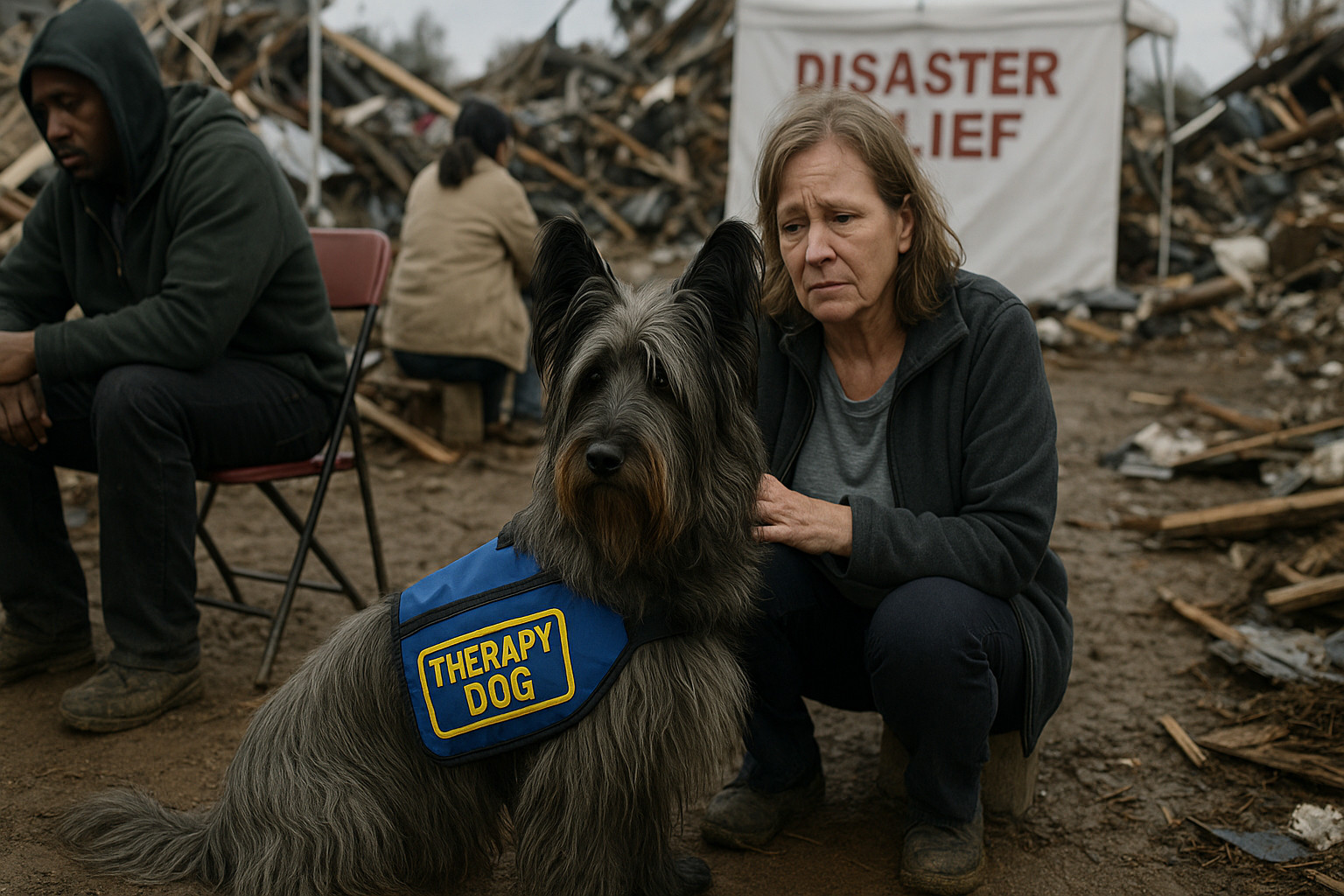
Skye Terriers, known for their elegant appearance and dignified demeanor, offer a unique blend of traits that make them suitable candidates for therapy dog work. With careful training and consideration of their temperamental nuances, these dogs can thrive in emotionally supportive roles across various environments.
Understanding the Therapy Dog Role
Therapy dogs provide comfort, emotional support, and a gentle presence in environments where stress and anxiety may be prevalent. Unlike service dogs, they are not trained to perform specific tasks to assist an individual’s disability. Instead, therapy dogs interact with groups of people, bringing joy and calm. The Skye Terrier's innate empathy and gentleness make them a compelling choice for this kind of work, particularly due to their ability to bond emotionally with people and respond keenly to human emotions.
Physical Appearance and Energy Level
The Skye Terrier is a medium-sized breed characterized by its long, flowing coat and powerful build. Their appearance invites a tactile response, encouraging individuals to engage with them more freely. However, their energy levels are moderate, striking a balance that allows them to enjoy play sessions while easily settling into calm periods—ideal for therapy work.
- Luxurious coat: Encourages physical interaction and can lead to sensory benefits for therapy recipients.
- Moderate exercise needs: They are neither overly energetic nor lethargic, providing flexibility in working environments.
Personality and Emotional Intelligence
The Skye Terrier is known for its loyalty, intelligence, and affectionate nature. These qualities are crucial for a therapy dog, as they need to be intuitive and responsive to the emotional states of various individuals. Their keen sense of empathy allows them to connect deeply with people, particularly benefiting those in need of emotional support.
- Loyal and bonded: Develops strong connections with handlers and those they serve.
- High emotional intelligence: Capable of distinguishing between different emotional tones and providing appropriate responses.
Environments Where Skye Terrier Excels
The adaptability of the Skye Terrier ensures its efficacy in multiple therapy environments. From bustling hospitals to serene nursing homes, they demonstrate versatility and the ability to adjust to the mood and needs of any situation.
- Calm in clinical settings: Their steadiness in the face of hospital noise and movement supports stress reduction initiatives.
- Welcoming in elder care facilities: They provide company and tactile comfort to older adults, complementing therapeutic activities designed to combat isolation.
Common Therapy Settings
- Schools: Assisting children with reading programs and emotional learning by offering a willing listener.
- Rehabilitation centers: Boosting morale and encouraging gentle physical interaction for those recuperating from illnesses or injuries.
- Group homes: Offering a soft, soothing presence to individuals requiring emotional stabilization or engagement.
Interactions with Different Populations
The Skye Terrier is particularly effective with children and elderly individuals. Their small yet sturdy size makes them approachable for these age groups while ensuring they can withstand occasional rough play without distress.
- Children: Their approachable demeanor and patient intelligence make them excellent companions for young ones navigating emotional or learning challenges.
- Elderly: Their calm nature and desire for gentle attention align well with older adults, offering both emotional and tactile connection.
Health and Wellness Factors
A Skye Terrier’s ability to serve effectively as a therapy dog is contingent upon maintaining optimal health. Regular veterinary care, a balanced diet, and appropriate exercise are essential to their well-being, directly influencing their behavior and performance in therapy contexts.
Register Any Breed
Lifespan and Common Health Issues
Skye Terriers generally have a lifespan of 12 to 14 years, though certain health conditions, like hip dysplasia and allergies, may affect them. These conditions require ongoing management to ensure these dogs remain comfortable and capable of their therapeutic duties.
Maintenance and Care Needs
- Grooming: Regular brushing is required to maintain their signature coat, prevent matting, and ensure they present well during therapy visits.
- Dietary needs: A balanced diet helps maintain their energy and alertness, essential for engaging with various individuals.
Training and Certification Readiness
Training a Skye Terrier for therapy work requires patience and positive reinforcement techniques. Their intelligent and independent nature often translates into effective learning, especially when training exercises are engaging and varied.
- Responsive to training: They respond well to consistent, reward-based training strategies.
- Certification readiness: With their keen intelligence, they can meet the certification requirements for therapy dogs quickly, provided the training is focused and motivating.
Learning Style and Responsiveness
Skye Terriers are known for a learning style that is methodical and consistent. They thrive in environments where training is approached as a partnership rather than a command hierarchy, offering more nuanced assistance in therapy scenarios.
Handling Social and Emotional Stimuli
The natural social skills of the Skye Terrier lend well to therapy work, as they engage openly with broad emotional cues and adapt their responses to fit the needs of individuals they interact with. Their ability to remain unflustered by noise and movement enhances their suitability for dynamic environments.
Strengths, Limitations, and Ideal Roles for Skye Terrier
The Skye Terrier combines loyalty, emotional insight, and a gentle demeanor, making it well-suited for roles that require emotional presence and stability. However, their sensitivity and need for gentle handling might limit their effectiveness in high—intensity environments.
- Strengths: Emotional insight, loyalty, capacity for forming strong bonds.
- Limitations: Occasionally sensitive disposition, preference for gentle handling.
- Ideal roles: Environments where emotional sensitivity and tactile engagement are prioritized.
Final Thoughts
The Skye Terrier is a breed that encapsulates the fundamental qualities of an effective therapy dog. Their intelligence, empathy, and calm demeanor suit them for roles that demand emotional stability and tactile interaction. With proper training and care, they can excel in bringing joy and comfort to those in need.
Key Takeaways for the Skye Terrier as a Therapy Dog
- Best suited for: Calm, emotionally supportive environments like schools, elder care facilities, and rehabilitation centers.
- Not ideal for: High—intensity or chaotic settings that may overwhelm their sensitive nature.
- Temperament highlights: Loyal, empathetic, and steady; deeply bond with handlers and those they assist.
- Care and health notes: Requires regular grooming and health monitoring due to potential genetic issues.
- Therapy environments where they shine: Schools, hospitals, and homes, particularly where emotional engagement is a priority.


-
Public Access Kits
$149.00 Learn more This product has multiple variants. The options may be chosen on the product page -
Quick Ship Premium Vests
$48.00 – $82.00 Learn more This product has multiple variants. The options may be chosen on the product page -
Service Dog Bandana
$39.95 Learn more This product has multiple variants. The options may be chosen on the product page
Custom ID Cards

Custom ID Cards
Custom Service Dog Tags

Official Dog Vests

Smart Vests
Official Public Access Kits

Complete Kits
USA & CANADA Letters
High Quality Bandanas
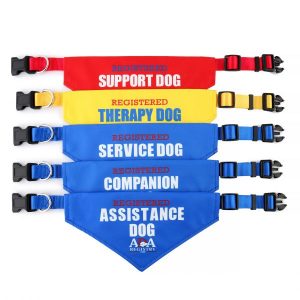
Service Dog Tags
Smart Tags

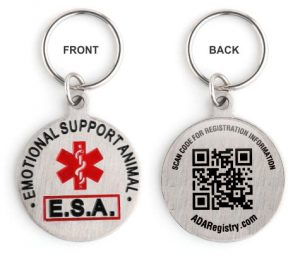
ESA TAGS