Spanish Water Dog as a Therapy Dog

Register Any Breed
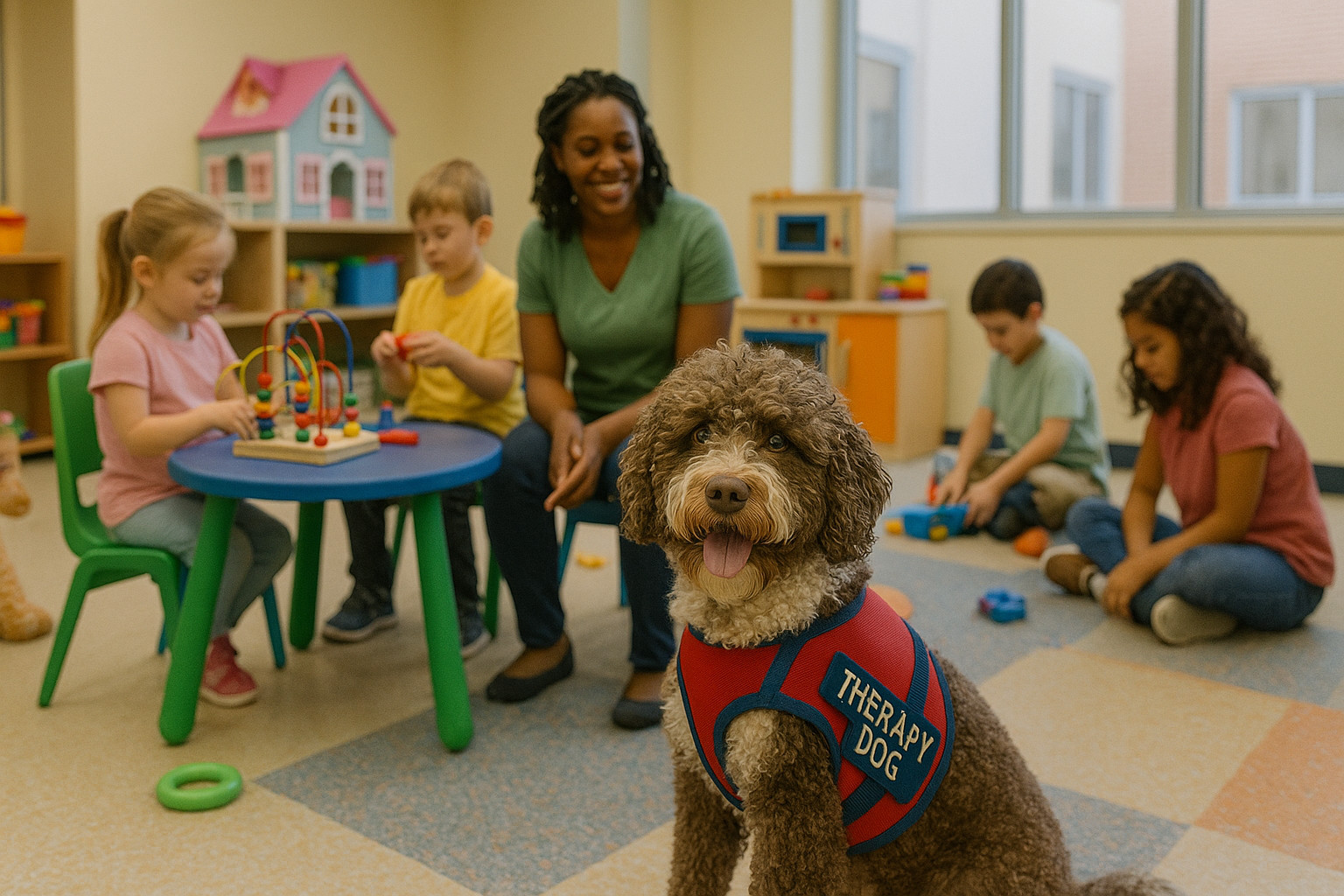
The Spanish Water Dog is a versatile breed known for its agility, intelligence, and distinctive curly coat. While its historical roots lie in herding and working with fishermen, this breed has found a niche in modern contexts as a therapy dog. This article explores the unique attributes of the Spanish Water Dog that make it suitable for therapy work, examining its temperament, physical traits, and behavioral tendencies.
Spanish Water Dog as a Therapy Dog Overview
Therapy dogs play a significant role in providing emotional support and enhancing the well-being of individuals across various settings. The suitability of a breed as a therapy dog relies heavily on its temperament, trainability, and adaptability to diverse environments. The Spanish Water Dog possesses several key traits that enable it to thrive in therapeutic roles, supporting people in hospitals, schools, and more.
Understanding the Therapy Dog Role
Therapy dogs assist in emotional and psychological healing by providing comfort and companionship. Unlike service dogs trained for specific tasks, therapy dogs work in social and therapeutic contexts, enhancing the morale and health of those they visit. The Spanish Water Dog, with its gentle demeanor and intuitive nature, becomes an effective catalyst for emotional connections.
Physical Appearance and Energy Level
The Spanish Water Dog has a medium-sized, muscular build, and an iconic curly coat that requires regular maintenance. While their energy levels are moderately high, they adapt well to different environments, using their agility and stamina effectively in therapy scenarios. They are excellent at performing exercises that require agility, which can be used in therapeutic activities to engage physically and mentally with individuals.
Personality and Emotional Intelligence
One of the strongest assets of the Spanish Water Dog as a therapy dog is its high emotional intelligence. They are naturally empathetic and have an ability to sense human emotions, often offering affection and comfort to those in distress. Their loving and eager-to-please personality, coupled with patience, enables them to create deep connections, making them valuable companions in therapeutic settings.
Environments Where Spanish Water Dog Excels
The flexibility and responsiveness of the Spanish Water Dog make it particularly well-suited to environments that require interactions with diverse populations. They perform exceptionally well in settings where emotional support is needed, such as:
- Hospitals: These dogs provide comfort to patients by mitigating stress and anxiety.
- Schools: Incorporate their gentle disposition to interact with children, offering emotional support and aiding in educational settings.
- Rehabilitation Centers: Their natural empathy and energy support both mental and physical recovery processes.
Common Therapy Settings
Spanish Water Dogs excel in several therapy contexts due to their calm demeanor and adaptability. They can often be found working in:
Register Any Breed
- Elderly care homes, where they offer companionship and affection, reducing loneliness among residents.
- Mental health facilities, where their intuitive nature helps in calming individuals experiencing distress.
- Community centers, aiding socialization and interpersonal interactions for persons with developmental disorders.
Interactions with Different Populations
Spanish Water Dogs demonstrate a remarkable ability to adjust their behavior according to the needs of diverse groups. They interact gently with children and show patience and understanding with the elderly and people living with disabilities. Their playful nature can help engage young minds, while their calm presence soothes older adults.
Health and Wellness Factors
An essential consideration for any therapy dog is its health and ability to engage repeatedly with different individuals. Spanish Water Dogs are generally healthy but can be prone to specific genetic conditions that breeders need to address:
- Regular vet check-ups are necessary to prevent genetic disorders.
- Maintenance of their curly coat requires consistent grooming to avoid matting, which is crucial for hygiene and comfort during therapy sessions.
Lifespan and Common Health Issues
Spanish Water Dogs typically have a lifespan of 12-14 years. They are susceptible to conditions such as hip dysplasia, eye disorders, and hypothyroidism, impacting their ability to work long-term in therapy roles. Keeping abreast of regular health screenings is vital to maintain their longevity in therapy settings.
Maintenance and Care Needs
Their distinctive coat requires frequent grooming to maintain its health and prevent infections. Regular exercise is important to ensure they do not become over-energetic or bored, which could affect their ability to remain calm in therapy sessions.
Training and Certification Readiness
Training for therapy work demands that a dog be exceptionally well-socialized and responsive. Spanish Water Dogs are notably intelligent and receptive to training, often excelling in obedience classes. Their eagerness to please and capacity for understanding complex commands make them quick learners in therapy dog certification programs.
Learning Style and Responsiveness
Spanish Water Dogs possess a keen ability to learn through positive reinforcement methods. Their responsive nature and adaptive mindset make them adept at learning the required behaviors and skills for therapy work efficiently.
Handling Social and Emotional Stimuli
Their innate ability to handle emotional stimuli with composure is fundamental for a therapy dog. The Spanish Water Dog’s sensitivity and calm nature enable them to thrive in settings that might be overwhelming for other breeds, creating an environment where therapy can flourish.
Strengths, Limitations, and Ideal Roles for Spanish Water Dog
The Spanish Water Dog shines in roles that need both physical enthusiasm and emotional support. Their major strength lies in their adaptability and deep sensitivity to emotional cues. However, their potential health issues and grooming needs might limit their availability without proper care. They are ideal for roles involving frequent human interaction and environments needing dynamic and agile activities.
Final Thoughts
The Spanish Water Dog's combination of intelligence, empathy, and energy allows it to excel uniquely as a therapy dog. While its health and grooming demands require attention, its overall contribution to therapy environments is substantial and valued. Their ability to work across various settings makes them a versatile and effective choice for therapy dog roles.
Key Takeaways for the Spanish Water Dog as a Therapy Dog
- Best suited for: Emotional support roles in hospitals, schools, and rehabilitation centers.
- Not ideal for: Situations requiring low-maintenance care or where frequent health concerns may arise.
- Temperament highlights: Empathetic, adaptable, responsive.
- Care and health notes: Requires regular grooming and health checks; susceptible to certain genetic health issues.
- Therapy environments where they shine: Hospitals, mental health facilities, and community centers where emotional stimuli are prevalent.


-
Public Access Kits
$149.00 Learn more This product has multiple variants. The options may be chosen on the product page -
Quick Ship Premium Vests
$48.00 – $82.00 Learn more This product has multiple variants. The options may be chosen on the product page -
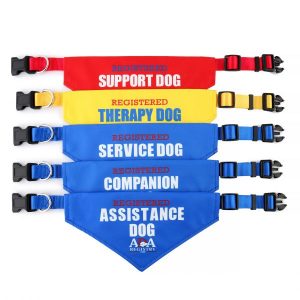
Service Dog Bandana
$39.95 Learn more This product has multiple variants. The options may be chosen on the product page

Custom ID Cards

Custom ID Cards
Custom Service Dog Tags
Official Dog Vests

Smart Vests
Official Public Access Kits
Complete Kits
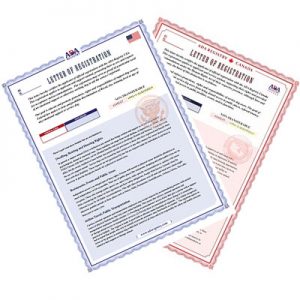
USA & CANADA Letters
High Quality Bandanas
Service Dog Tags
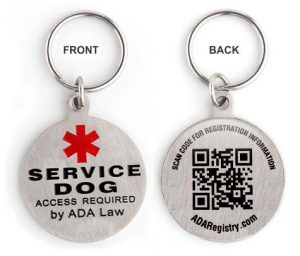
Smart Tags

ESA TAGS