Weimaraner as a Therapy Dog
Register Any Breed
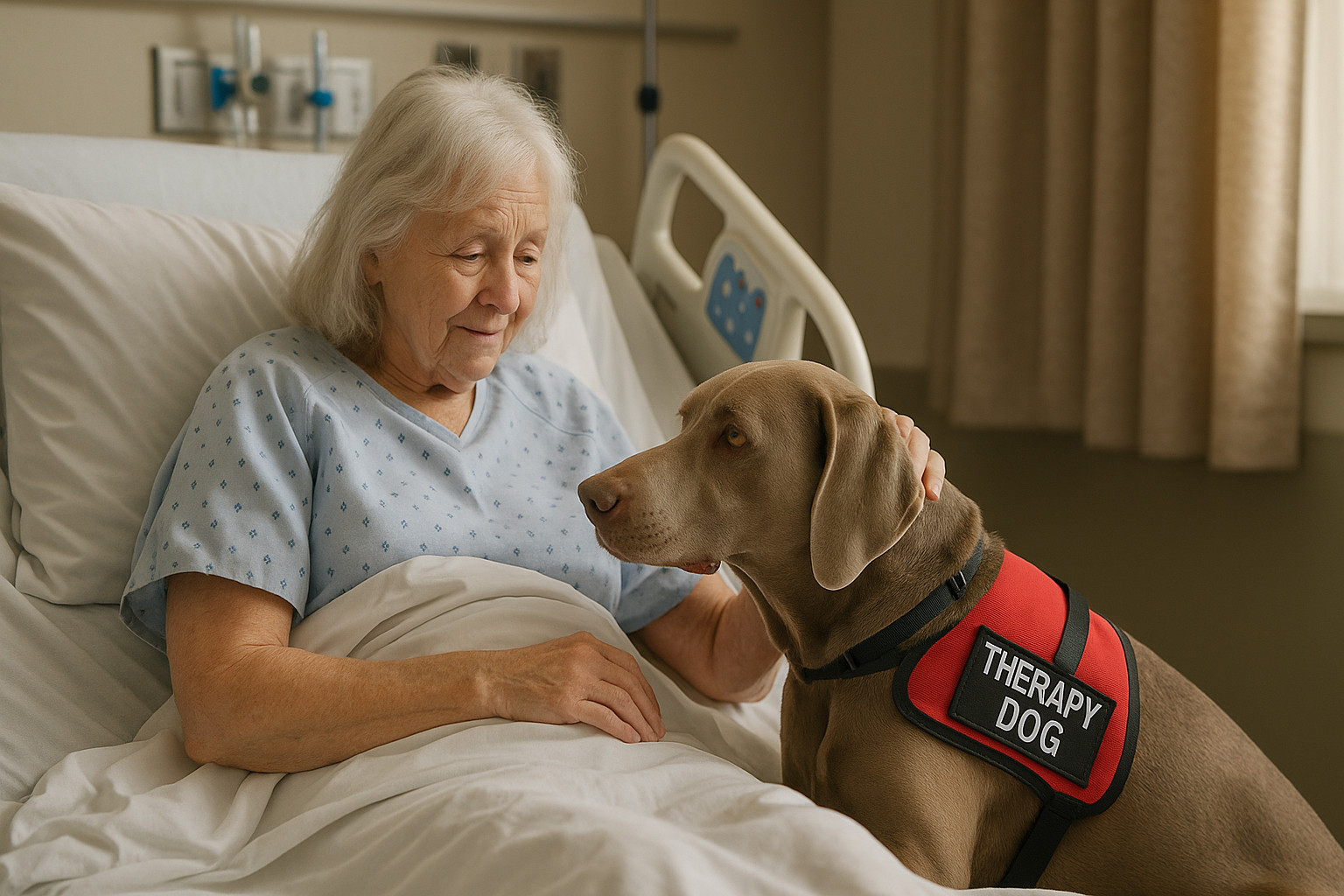
Weimaraner as a Therapy Dog Overview
The Weimaraner, renowned for its sleek appearance and vivacious energy, possesses unique qualities that lend well to therapy work. As a therapy dog, the Weimaraner has the potential to offer emotional and physical support to a diverse range of individuals. However, understanding this breed's specific traits ensures they are utilized effectively in therapeutic environments.
Understanding the Therapy Dog Role
Therapy dogs are trained to provide comfort, affection, and support to individuals in various settings such as hospitals, schools, and therapy sessions. Unlike service dogs, therapy dogs do not have specific assistance tasks but rather excel in offering a calming presence. The Weimaraner's role as a therapy dog capitalizes on its friendly nature and social intelligence, fostering a nurturing environment for emotional healing and stress relief.
Physical Appearance and Energy Level
The Weimaraner is an athletic dog, known for its striking slate-gray coat and lean physique. Their physical presence is often seen as reassuring while engaging, crucial in a therapy setting. However, their high energy levels necessitate regular exercise, which can be a double-edged sword. When well-managed, this energy translates into enthusiasm and warmth, perfect for dynamic therapy scenarios but may require experienced handlers to maintain composure.
- Pros of physical appearance: Reassuring presence, aesthetically pleasing
- Cons of energy level: Requires extensive physical outlets to remain calm and focused during therapy sessions
Personality and Emotional Intelligence
Weimaraners are inherently affectionate and bond quickly with humans, reflecting high levels of empathy and emotional intelligence. Their responsive nature allows them to attune to human emotions, key in therapeutic environments where sensitivity to feelings is essential. However, their strong attachment can sometimes lead to anxiety, especially if they perceive changes in the emotional state of those they assist.
- Strengths: Empathetic, emotionally responsive, engaging
- Challenges: Potential for separation anxiety, hypersensitivity to emotional changes
Environments Where Weimaraner Excels
The Weimaraner's adaptable nature makes them suitable for a wide range of settings, although they thrive in environments where they can interact freely and feel part of the activity. Their cheerful demeanor is particularly well-suited to settings emphasizing interaction and play.
- Ideal settings: Schools, rehabilitation centers, and interactive group therapy sessions
- Consideration: Needs adequate preparation for quieter environments, like palliative care, where subdued energy is critical
Common Therapy Settings
- Hospitals: Weimaraners can help reduce patient stress and create distractions from pain
- Schools: They serve as reading companions or partners in social skills development programs
- Rehabilitation centers: Their interactive nature helps motivate clients during physical therapy
Interactions with Different Populations
In terms of population interaction, Weimaraners excel with children and active adults who appreciate engaging and playful encounters. Their motivation and willingness to emotionally connect make them less suited to environments requiring consistent quietude and minimal activity.
- Strong suitability: Children, young adults, group therapy
- Cautions: May require additional training for geriatric populations with limited mobility
Health and Wellness Factors
Ensuring a Weimaraner's health is essential for reliable therapy work. Their active lifestyle means they need a balanced diet and routine veterinary care to avoid obesity and other health issues that might impede their functionality.
Register Any Breed
- Health maintenance: Regular exercise, balanced nutrition, periodic check-ups
- Potential health issues: Hip dysplasia, bloat due to high energy and activity levels
Lifespan and Common Health Issues
Weimaraners typically live between 11-14 years, although common health concerns like hip dysplasia and eye issues require proactive management. Awareness of these health challenges ensures long-term therapy service with minimal disruptions.
- Management tips: Early health screening, preventive care measures, identifying early signs of common ailments
Maintenance and Care Needs
A Weimaraner requires regular grooming to maintain its short, smooth coat. Their grooming routine isn't overly demanding but requires vigilance to prevent skin irritations. Ensuring they're pest-free (e.g., fleas, ticks) is important when interacting with patients with compromised immune systems.
- Grooming requirements: Regular brushing, occasional baths, routine ear cleaning
- Care considerations: Flea and tick prevention, particularly for clinical settings
Training and Certification Readiness
Training a Weimaraner for therapy roles involves leveraging their high intelligence and enthusiasm. They respond well to positive reinforcement, making them quick learners in structured environments. Early socialization is crucial to acclimate them to various settings and people.
- Key training elements: Positive reinforcement, extensive socialization, routine training exercises
- Certification pointers: Must meet standards for therapy dogs, including temperament and medical assessments
Learning Style and Responsiveness
The Weimaraner's eagerness to please enhances their trainability, allowing quick adaptation to new commands and environments. Their learning is facilitated by interactive sessions filled with rewards and praise.
- Learning strengths: Quick learners, adaptable to new environments
- Potential barriers: Easily bored with repetitive tasks or insufficient mental stimulation
Handling Social and Emotional Stimuli
Given their sensitivity, Weimaraners are adept at responding to social and emotional cues. With proper exposure and consistent training, they effectively navigate various emotional atmospheres encountered in therapy settings.
- Benefits: High social intelligence, keen emotional insight
- Concerns: May mirror emotional distress if untrained
Strengths, Limitations, and Ideal Roles for Weimaraner
The Weimaraner’s strengths lie in their engaging personality and emotional sensitivity. However, handlers need to address their energy levels and manage potential anxiety. Ideal roles include work with children and active communities where their interactivity shines.
- Strengths: Empathy, adaptability, engaging nature
- Limitations: High energy levels, potential anxiety issues
- Ideal roles: Therapy with children, interactive group settings
Final Thoughts
In conclusion, Weimaraners can make excellent therapy dogs for certain settings, provided their high energy and emotional needs are well-managed. Their intelligence and willingness to connect with humans set a solid foundation for therapeutic success. Ensuring proper training, health care, and emotional support will allow them to thrive in therapy roles, helping countless individuals on their journey to healing and well-being.
Key Takeaways for the Weimaraner as a Therapy Dog
- Best suited for: Interactive therapy settings like schools and group sessions
- Not ideal for: Environments requiring prolonged calm and minimal interaction, such as geriatric care
- Temperament highlights: Affectionate, empathetic, socially engaging
- Care and health notes: Requires regular exercise, preventive health care for longevity in therapy roles
- Therapy environments where they shine: Schools, rehabilitation centers, and dynamic therapy groups


-
Public Access Kits
$149.00 Learn more This product has multiple variants. The options may be chosen on the product page -
Quick Ship Premium Vests
$48.00 – $82.00 Learn more This product has multiple variants. The options may be chosen on the product page -
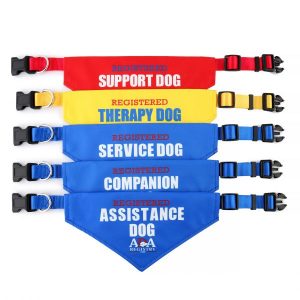
Service Dog Bandana
$39.95 Learn more This product has multiple variants. The options may be chosen on the product page
Custom ID Cards

Custom ID Cards
Custom Service Dog Tags
Official Dog Vests

Smart Vests
Official Public Access Kits
Complete Kits
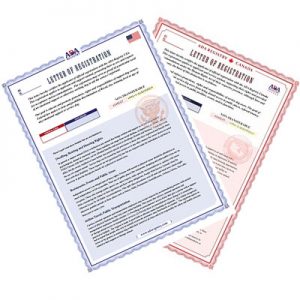
USA & CANADA Letters
High Quality Bandanas
Service Dog Tags
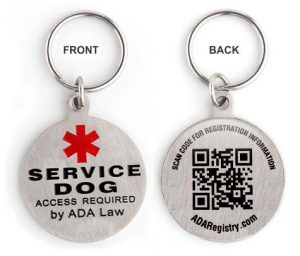
Smart Tags

ESA TAGS