West Highland White Terrier as a Therapy Dog
Register Any Breed
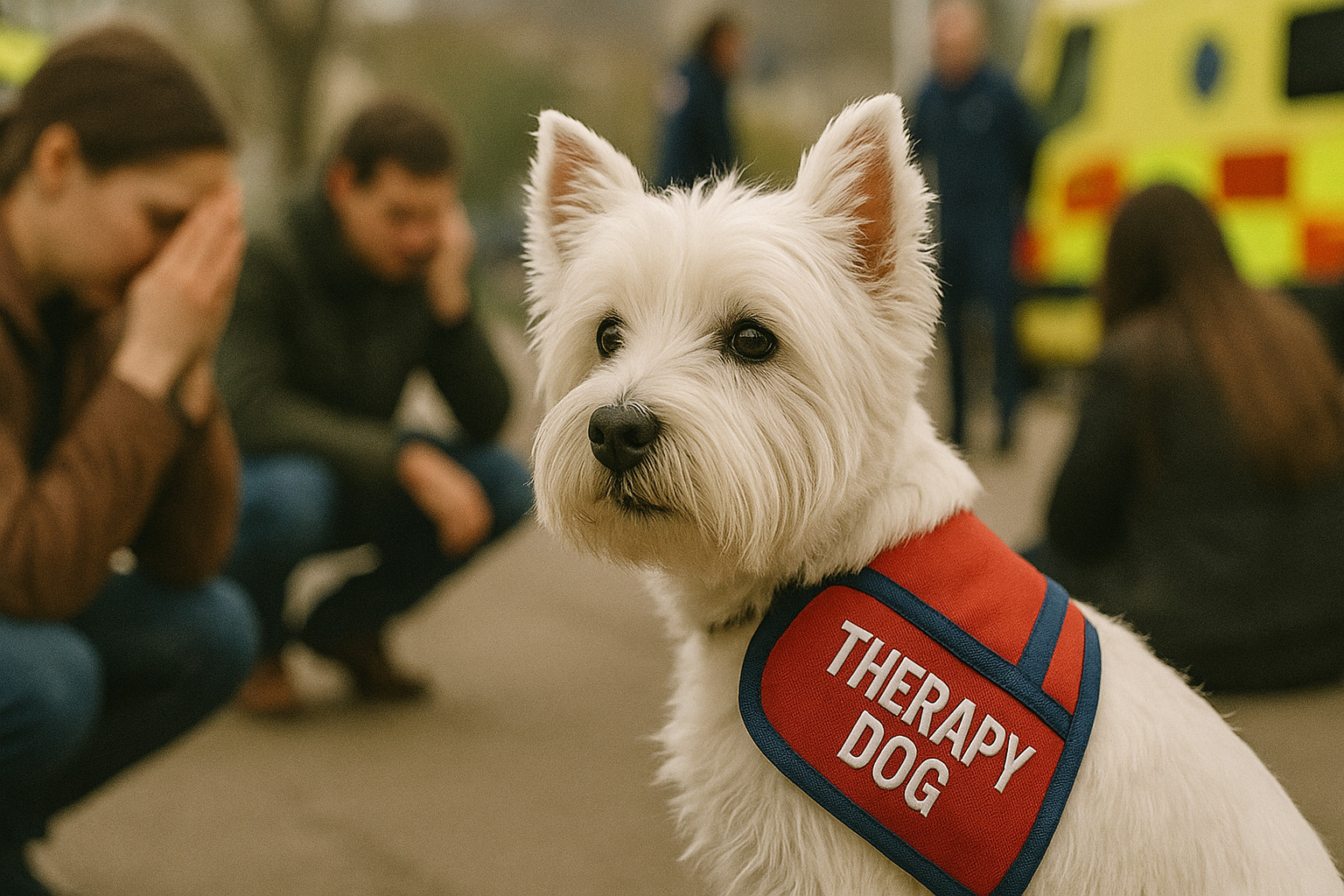
The West Highland White Terrier (often affectionately known as the "Westie") brings a unique blend of charm, cleverness, and resilience that can make them outstanding therapy dogs. This article delves into the potential of Westies as therapy dogs, assessing their suitability for various settings and populations, and providing insights into their care, training, and temperament in therapy contexts.
West Highland White Terrier as a Therapy Dog Overview
Understanding the Therapy Dog Role
Therapy dogs play a vital role in providing comfort, emotional support, and unconditional love to those in need. Unlike service dogs, therapy dogs are not trained to perform specific tasks for individuals with disabilities but are trained to be calm and gentle in diverse environments, interacting positively with a range of people.
The role of a therapy dog involves:
- Offering companionship and reducing feelings of loneliness
- Providing comfort in stressful environments like hospitals
- Assisting in improving mood and reducing anxiety through interaction
Physical Appearance and Energy Level
Westies are small, sturdy dogs characterized by their distinctive white coat and dark, expressive eyes. Their compact size works advantageously in settings where space is limited, such as individual patient rooms or classrooms.
- Size and manageability: Their small size makes them easy to handle, facilitating close personal interactions.
- Energy level: Westies possess a balanced energy that allows them to engage actively but also remain calm when required.
Personality and Emotional Intelligence
West Highland White Terriers are known for their confident, friendly temperaments. Their playful nature often puts a smile on people's faces, making them incredible companions.
- Empathy and understanding: Despite their terrier feistiness, Westies tend to exhibit a noteworthy level of empathy, sensing and responding to human emotions adeptly.
- Adaptability: They can adjust to new environments swiftly, an essential trait for therapy dog work where adaptability is crucial.
- Affectionate disposition: Westies form strong bonds with people, which can ease feelings of isolation or distress in therapy settings.
Environments Where West Highland White Terrier Excels
Westies thrive in various therapy settings, contributing significantly to emotional healing and mental health improvement.
- Hospitals and healthcare facilities: Their calm demeanor and size make them ideally suited for visiting patients, especially in pediatric wards and elder care settings.
- Schools and educational environments: Their playful nature and patience with children can help encourage social interaction and focus.
- Rehabilitation centers: They can assist in motivating those undergoing physical rehabilitation by providing companionship and gentle motivation.
Common Therapy Settings
Here are some common settings where West Highland White Terriers can make a significant impact:
Register Any Breed
- Hospitals: Providing comfort to patients and reducing stress and anxiety.
- Schools: Assisting children with special needs to develop social and cognitive skills.
- Hospices: Offering companionship to those in palliative care.
- Rehabilitation Centers: Motivating patients during recovery exercises.
Interactions with Different Populations
Westies are adept at interacting with diverse groups, influencing their therapy roles and effectiveness.
- Children: Westies often form quick bonds with children, providing comfort and helping with developmental milestones in a therapeutic context.
- Elderly: They have the patience and gentle demeanor needed to bring joy and companionship to older adults.
- Individuals with mental health challenges: Their intuitive understanding and responsiveness can play a significant role in therapy sessions for those dealing with depression or anxiety.
Health and Wellness Factors
The health and wellness of a therapy dog are critical for effectiveness. Westies generally have robust health, but there are considerations:
- Good grooming regime: Their charming double coat requires regular grooming to maintain health and hygiene during visits.
- Routine veterinary care: Ensuring vaccinations and regular vet checks for a clean bill of health is crucial.
- Physical fitness: Regular exercise keeps them fit, making therapy visits more fulfilling without tiring.
Lifespan and Common Health Issues
Understanding a Westie's lifespan and potential health issues aids in their management as therapy dogs.
- Lifespan: Generally, 12 to 16 years, providing many years of potential service as therapy dogs.
- Common health issues: Includes skin disorders and hip dysplasia, which must be monitored to maintain their comfort and mobility.
Maintenance and Care Needs
Maintaining a Westie's wellbeing is essential for their happiness and effectiveness in therapy roles.
- Grooming: Regular brushing and trimming are necessary to prevent matting and tangles, maintaining their signature look.
- Diet and nutrition: A balanced diet supports their energy needs and overall health.
- Mental stimulation: Providing mental challenges helps to keep their curious minds active, necessary for therapy sessions.
Training and Certification Readiness
The intelligence and trainability of Westies make them good candidates for therapy certification, although patience is needed given their independent streak.
Learning Style and Responsiveness
- Intelligent and responsive: With proper training methods, Westies can learn commands and behaviors necessary for therapy roles.
- Consistency in training: Firm yet gentle training encourages obedience without dampening their cheerful spirit.
Handling Social and Emotional Stimuli
Westies' ability to handle various social and emotional stimuli means they can thrive in high-emotion environments and provide comfort.
Strengths, Limitations, and Ideal Roles for West Highland White Terrier
- Strengths: Their friendly, adaptable nature allows them to interact positively in many environments.
- Limitations: They may be less suited for roles requiring absolute obedience without room for individuality.
- Ideal roles: Companions in healthcare settings, motivators in rehabilitation centers, and friends in educational settings.
Final Thoughts
West Highland White Terriers can be exceptional therapy dogs, given their empathy, adaptability, and innate charm. With the right training and care, they can bring immense emotional relief and joy to those in need.
Key Takeaways for the West Highland White Terrier as a Therapy Dog
- Best suited for: Hospitals, schools, elderly care, rehabilitation centers
- Not ideal for: Environments requiring rigorous discipline without flexibility
- Temperament highlights: Affectionate, adaptable, intuitive
- Care and health notes: Needs regular grooming, attentive health monitoring
- Therapy environments where they shine: Hospitals, educational settings, elder care facilities
This article aims to offer an in-depth exploration of the West Highland White Terrier as a therapy dog, focusing on how their natural traits the impact their capacity to deliver emotional support and comfort in various settings.


-
Public Access Kits
$149.00 Learn more This product has multiple variants. The options may be chosen on the product page -
Quick Ship Premium Vests
$48.00 – $82.00 Learn more This product has multiple variants. The options may be chosen on the product page -
Service Dog Bandana
$39.95 Learn more This product has multiple variants. The options may be chosen on the product page
Custom ID Cards

Custom ID Cards
Custom Service Dog Tags

Official Dog Vests

Smart Vests
Official Public Access Kits
Complete Kits
USA & CANADA Letters

High Quality Bandanas

Service Dog Tags
Smart Tags

ESA TAGS