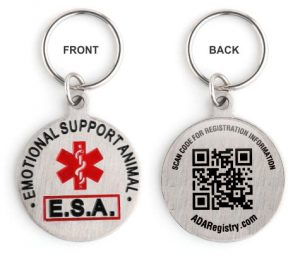
Yorkshire Terrier as a Therapy Dog
Register Any Breed
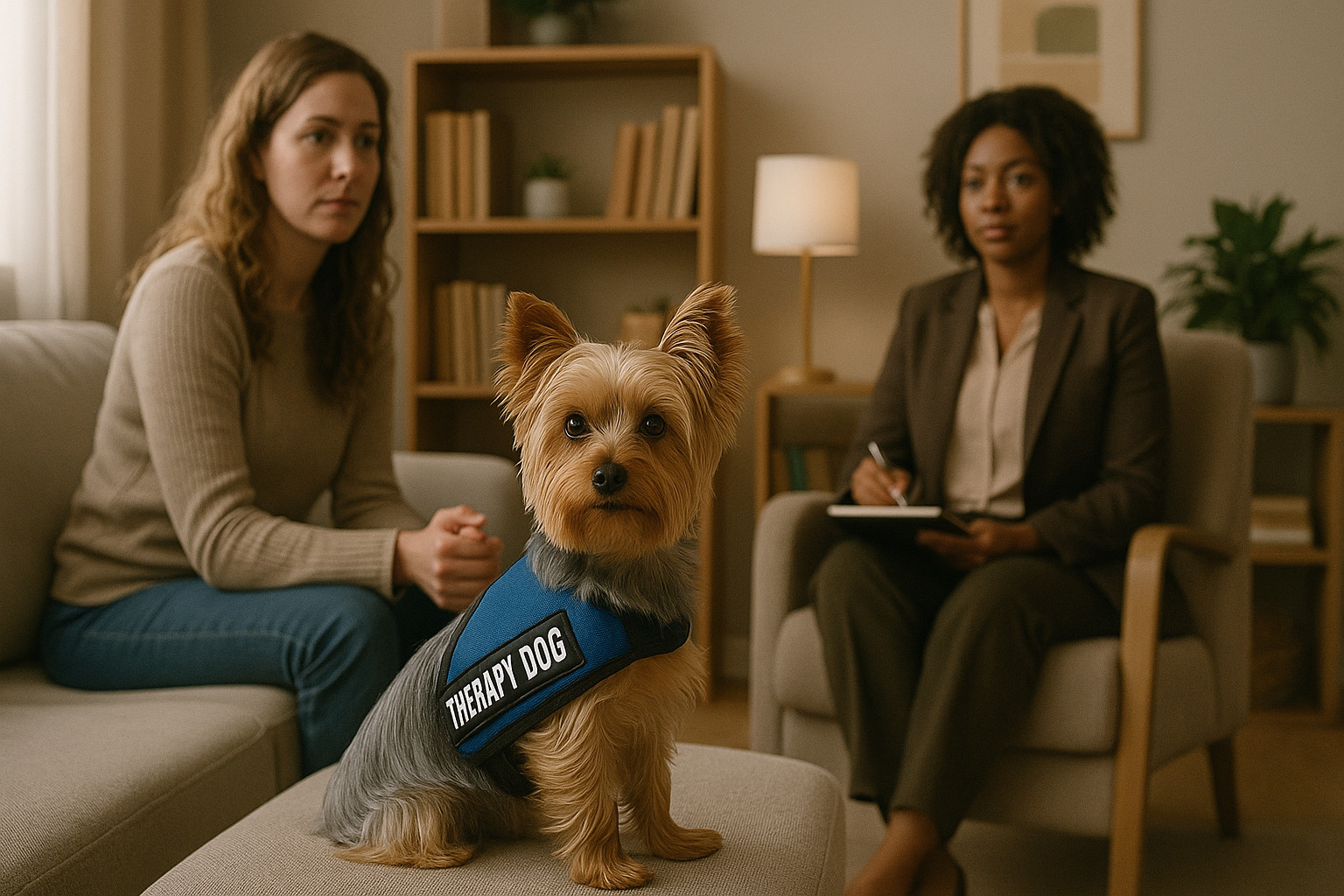
The Yorkshire Terrier (Yorkie) may be small in stature, but its capacity to provide comfort and companionship as a therapy dog is impressively large. Therapy dogs are distinct from service dogs; their primary role is to offer emotional support and improve the well-being of individuals in diverse settings such as hospitals, nursing homes, and schools. In this comprehensive article, we will delve into the characteristics that make the Yorkshire Terrier a potential therapy partner, considering their physical and emotional traits, care needs, and the environments where they excel.
Yorkshire Terrier as a Therapy Dog Overview
Understanding the Therapy Dog Role
Therapy dogs are trained to provide psychological or physiological therapy to individuals other than their handlers. Yorkshire Terriers excel in this role due to their empathetic and affectionate nature. Unlike service dogs, which perform specific tasks for individuals with disabilities, therapy dogs offer emotional comfort through their presence and gentle interactions. The Yorkie's engaging personality and ability to soothe make them ideal for this role, offering emotional stability and reducing stress in various therapeutic settings.
Physical Appearance and Energy Level
Yorkshire Terriers are small, usually weighing around 4 to 7 pounds, with a silky fur coat that requires regular grooming. Their portable size makes them ideal for environments where space is limited, such as hospital rooms. Despite their small stature, Yorkies are energetic and lively, which can be channeled positively in therapy settings to create engaging interactions with those they visit.
While their high energy levels can be an asset, it's important for handlers to manage and direct this energy in ways that foster calm and comforting interactions. This balance ensures that the Yorkie remains a soothing presence rather than an overactive distraction in therapeutic environments.
Personality and Emotional Intelligence
Yorkshire Terriers are known for their intelligence, liveliness, and strong-willed nature. They possess a keen ability to read human emotions and display empathy, making them well-suited for therapeutic roles. Their innate curiosity and alertness allow them to engage effectively with various individuals, providing comfort and companionship to those in need.
- Empathy: Yorkies often exhibit sensitivity to human emotions, responding instinctively to comfort those who are upset or stressed.
- Calmness: With appropriate training, Yorkies can maintain their composure in high-stress environments, providing a calming influence.
- Adaptability: Their small size allows for easy handling, and their flexible nature helps them acclimate to different settings and requirements.
Environments Where Yorkshire Terrier Excels
Yorkshire Terriers can thrive in numerous environments where human contact and emotional support are beneficial. Whether visiting a hospital ward, attending therapy sessions with children, or providing comfort in senior living facilities, their presence can significantly enhance the mood and well-being of individuals.
#### Common Therapy Settings
Register Any Breed
- Hospitals: In hospital settings, Yorkshire Terriers provide comfort to patients undergoing treatment, offering a welcome distraction and emotional support.
- Nursing Homes: In senior care facilities, Yorkies can lift spirits and break the monotony of daily routines for residents.
- Schools: They can help assist children with emotional or behavioral challenges by fostering a sense of companionship and security.
- Rehabilitation Centers: With their uplifting energy, Yorkies encourage motivation and social interaction among individuals undergoing rehabilitation.
Interactions with Different Populations
The adaptability of Yorkshire Terriers allows them to form connections across a wide demographic of people. They can effectively engage with both children and adults, offering tailored responses to the specific emotional needs of each group.
- Children: Their small size and playful nature naturally appeal to children, helping in settings such as pediatric wards or special education programs.
- Elderly: For the elderly, they provide gentle companionship and reminiscent joy, often rekindling happy memories of past pets or loved ones.
Health and Wellness Factors
As a prospective therapy dog, it's crucial to ensure that the Yorkshire Terrier is healthy and well-cared-for. Regular veterinary check-ups, vaccinations, and preventive measures against parasites are necessary to maintain their health.
Lifespan and Common Health Issues
Yorkshire Terriers typically have a lifespan of 12 to 15 years. However, they can be prone to certain health issues, such as dental problems, patellar luxation, and hypoglycemia. Addressing these health concerns is essential to ensure they can participate in therapy activities comfortably and without distress.
- Dental Health: Regular dental care helps avoid painful issues that could affect their demeanor.
- Orthopedic Health: Awareness of joint health ensures they remain agile and comfortable during therapy visits.
Maintenance and Care Needs
Yorkies require daily grooming to keep their coats tangle-free and attractive. Regular grooming sessions not only maintain their physical appearance but also serve as bonding time, which can enhance their sense of security and readiness to interact with others. Additionally, providing a balanced diet and regular exercise keeps them physically fit, further enabling them to fulfill their therapy roles effectively.
Training and Certification Readiness
For a Yorkshire Terrier to excel as a therapy dog, proper training is paramount. They must undergo behavioral training that focuses on teaching calmness, obedience, and adeptness in social situations. Certification typically involves evaluating their temperament, behavior in different scenarios, and response to commands.
Learning Style and Responsiveness
Yorkies are fast learners thanks to their intelligence. Consistent, positive reinforcement training methods yield the best results. Since they thrive on interaction, using reward-based training that includes treats and praise can significantly boost their responsiveness and willingness to learn.
- Training Tips:
- Use short, engaging sessions to hold their attention.
- Be patient and persistent, especially when teaching appropriate social responses.
- Encourage calmness through relaxation techniques and familiarization with different environments.
Handling Social and Emotional Stimuli
One of the Yorkie's key strengths is its ability to handle social and emotional stimuli. They can sense when someone is anxious or distressed, often adapting their behavior to offer comfort.
- Emotional Sensitivity: Yorkies often cuddle or remain close to individuals in emotional distress, providing reassurance through their presence.
- Socialization: Early exposure to various people, sounds, and environments helps them stay well-adjusted and confident.
Strengths, Limitations, and Ideal Roles for Yorkshire Terrier
Yorkshire Terriers bring various strengths to their therapy roles, including their empathetic nature, adaptability, and intelligence. However, they do have certain limitations, such as potential health concerns and the need for careful grooming. With the right handler, Yorkies can excel in roles that demand emotional intelligence and adaptability.
- Strengths:
- High empathy and emotional intelligence
- Versatile and adaptable to different environments
- Small size allows for close, personal interactions
- Limitations:
- Prone to health issues that may require monitoring
- Regular grooming and maintenance needed
Final Thoughts
The Yorkshire Terrier, with its unique blend of intelligence, empathy, and adaptability, can be an outstanding therapy dog when appropriately trained and cared for. Their ability to provide emotional support and companionship in various settings makes them an excellent choice for those in need of comfort and stability. When considering a Yorkie for therapy work, their health, grooming needs, and training are essential factors to ensure they can perform their role effectively and bring happiness to the people they assist.
Key Takeaways for the Yorkshire Terrier as a Therapy Dog
- Best suited for: Hospitals, schools, and nursing homes where their small size and empathy shine.
- Not ideal for: Environments requiring extensive physical activity or where intense exertion is necessary.
- Temperament highlights: Empathetic, intelligent, and adaptable, making for a comforting presence.
- Care and health notes: Regular grooming and vigilance with health screenings needed.
- Therapy environments where they shine: Individual or small group settings that benefit from close contact and emotional support.


-
Public Access Kits
$149.00 Learn more This product has multiple variants. The options may be chosen on the product page -
Quick Ship Premium Vests
$48.00 – $82.00 Learn more This product has multiple variants. The options may be chosen on the product page -
Service Dog Bandana
$39.95 Learn more This product has multiple variants. The options may be chosen on the product page
Custom ID Cards

Custom ID Cards
Custom Service Dog Tags

Official Dog Vests

Smart Vests
Official Public Access Kits
Complete Kits
USA & CANADA Letters

High Quality Bandanas

Service Dog Tags
Smart Tags

ESA TAGS