American English Coonhound as an Emotional Support Dog
Register Any Breed
Understanding the Emotional Support Role
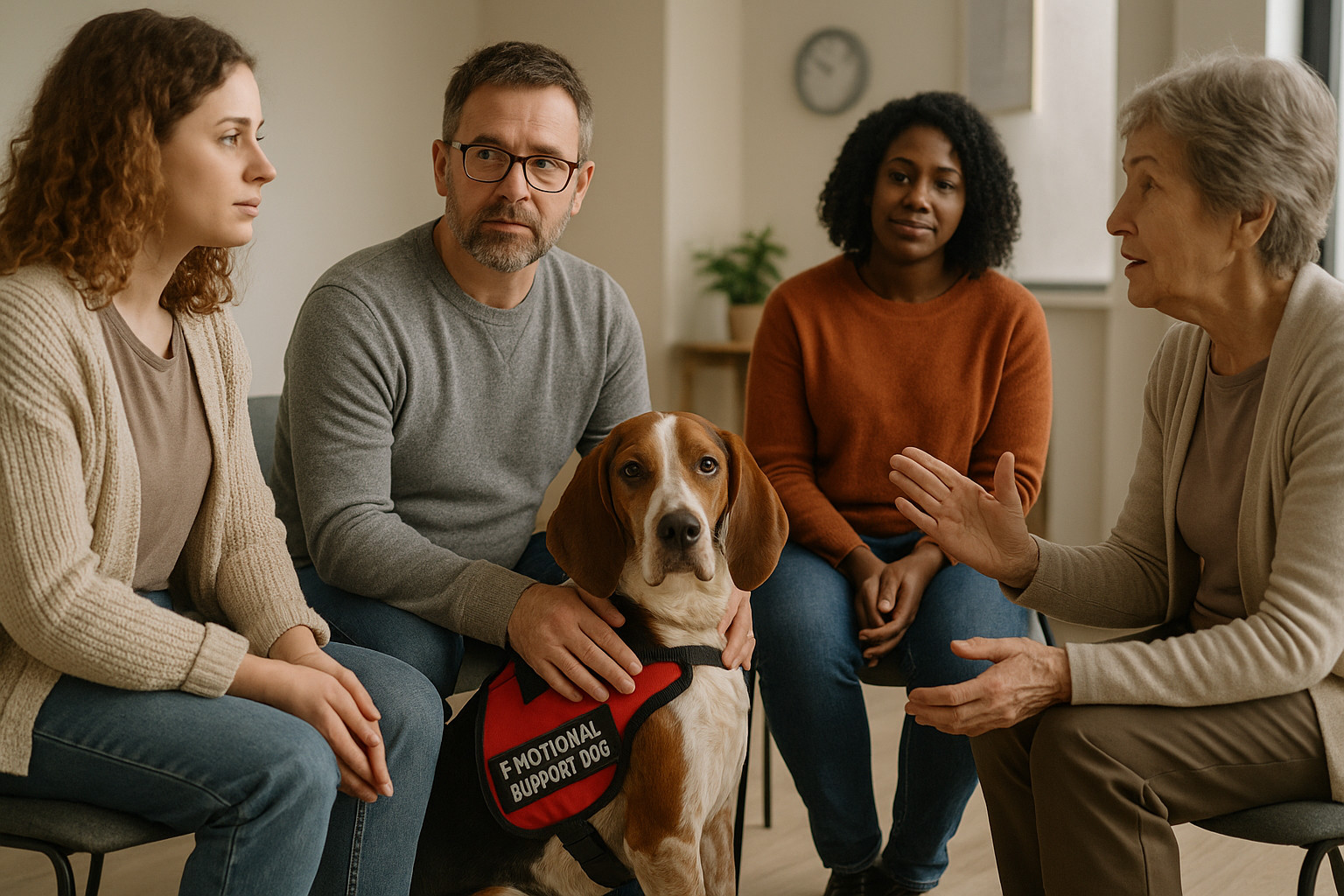
Emotional Support Animals (ESAs) provide comfort and companionship to individuals with emotional or psychological conditions. Unlike service animals, their primary function is not to perform specific tasks but to offer a soothing presence that alleviates symptoms of anxiety, depression, or loneliness. This article explores the suitability of the American English Coonhound as an ESA, focusing on their inherent traits and capacities to fulfill these essential roles.
American English Coonhound Overview
The American English Coonhound, known for its robust hunting history, possesses notable qualities that can transition well into emotional support roles. Originating from the southern United States, this breed is celebrated for its stamina, agility, and tenacity. Traditionally, they were bred for hunting raccoons but have since found a new niche in the realm of companionship, thanks to their gentle and amiable nature.
Temperament and Emotional Connection
American English Coonhounds are recognized for their intelligence and affectionate temperament, which contribute significantly to their capabilities as emotional support animals. Their empathy and sensitivity allow them to form profound emotional connections with their owners. This bond often translates to an intuitive understanding of human emotions, enabling them to respond effectively to mood shifts or emotional distress. Their gentle demeanor provides a soothing presence that naturally aids in reducing anxiety and fostering a sense of security and comfort.
Adaptability and Daily Behavior
One of the defining characteristics of the American English Coonhound is its adaptability. Although originally bred for active outdoor work, they can adjust well to different living conditions, making them suitable for both urban and rural environments. Their sociable behavior and enthusiasm make them well-suited for family life, and they can easily adapt to various daily routines, whether it's an active or relatively sedentary lifestyle. This flexibility allows them to offer consistent support and companionship and adapt to the needs and emotional states of their human companions.
Situations Where American English Coonhound Provides Strong Support
The American English Coonhound excels in situations where emotional support is crucial, such as:
- Homes with Children: Their playful and gentle nature allows them to establish rapport quickly with young ones, offering comfort and companionship.
- Assisted Living: Their calm demeanor and patience make them excellent companions for elderly individuals needing emotional upliftment.
- High-Activity Homes: Their energetic nature suits active individuals or families that spend time outdoors, offering emotional support through shared activities.
- Loneliness Mitigation: For individuals living alone, their companionship provides a constant presence, reducing feelings of loneliness and isolation.
Ideal Living Environments
While they are adaptable, American English Coonhounds thrive best in environments where their need for physical activity can be met. They are well-suited to:
- Spacious Homes: Preferably with a yard or access to outdoor areas where they can bask in the sun and stretch their legs.
- Suburban or Rural Areas: Their hunting background makes them more comfortable in areas that provide space and opportunities for exploration.
- Families and Individuals with Active Lifestyles: They enjoy activities that engage both their mind and body and can accompany owners on hiking or jogging adventures.
Bonds with Different Types of People
American English Coonhounds are versatile in forming bonds across various demographics:
Register Any Breed
- Families: They integrate well into family life, delighting both children and adults with their warm, friendly nature.
- Singles and Couples: Their companionable disposition provides solace and joy to single individuals or couples without children.
- Seniors: Their patience and empathy make them ideal companions for elderly individuals, offering a comforting presence and friendly engagement.
Health, Care, and Wellbeing
Ensuring an American English Coonhound remains healthy is integral to their ability to provide emotional support. Their wellbeing includes addressing both physical and mental health needs.
Common Health Considerations
Like all breeds, American English Coonhounds may be predisposed to specific health issues, including:
- Hip Dysplasia: Regular vet check-ups and maintaining a healthy weight can manage this condition effectively.
- Ear Infections: Their floppy ears require routine cleaning to prevent infections, a practice that also strengthens the human-animal bond through care routines.
- Obesity: Due to their energetic nature, they require regular exercise to prevent weight gain, which can impede their health and ability to offer support.
Grooming, Comfort, and Maintenance Needs
Regular grooming contributes to a Coonhound's comfort and readiness to support:
- Brushing: Their short coat requires weekly brushing to minimize shedding and maintain skin health.
- Nail Trimming and Ear Cleaning: Regular maintenance ensures they remain comfortable and prevents discomfort that could distract from their supportive role.
Preparing an American English Coonhound for Emotional Support Work
Training and preparation enhance an American English Coonhound's capabilities as an emotional support animal. Key elements include:
Socialization and Responsiveness
Early socialization ensures these dogs are comfortable around different people and environments. Positive, reward-based training fosters responsiveness to emotional cues, enhancing their ability to offer support effectively.
Managing Stress and Emotional Cues
Understanding and responding to stress and emotional cues is critical:
- Consistency: Regular routines help them remain calm and consistent in providing support.
- Recognition: Recognizing signs of stress in the dog allows owners to maintain their emotional readiness.
Strengths, Challenges, and Ideal Homes for American English Coonhound
The strengths of the American English Coonhound as an emotional support animal include their friendliness, empathy, and activity levels, which instill a sense of companionship and emotional reassurance. However, challenges such as their need for regular exercise and potential for selective hearing in new or stimulating environments require consideration. Ideal homes balance these factors, ensuring the dog remains both physically healthy and emotionally available to support their companions.
Final Thoughts
Selecting an American English Coonhound as an emotional support animal involves understanding their compatibility with the owner’s lifestyle and emotional needs. Their capacity to offer love, warmth, and attentiveness makes them a remarkable choice for individuals seeking companionship and emotional stability. By meeting their care needs, owners can ensure that these dogs continue to provide the empathetic presence and comforting support that make them so effective as emotional support animals.
Key Takeaways for the American English Coonhound as an Emotional Support Dog
- Best suited for: Active families, individuals, or seniors in suburban or rural settings
- Not ideal for: Those unable to meet exercise and space needs, or seeking very low-energy companions
- Emotional traits: Empathetic, affectionate, responsive to human emotions
- Care and health notes: Requires regular exercise, grooming, and veterinary care
- Environments where they provide the most comfort: Spacious homes, active and engaging households, environments offering both physical and mental stimulation


-
Public Access Kits
$149.00 Learn more This product has multiple variants. The options may be chosen on the product page -
Quick Ship Premium Vests
$48.00 – $82.00 Learn more This product has multiple variants. The options may be chosen on the product page -
Service Dog Bandana
$39.95 Learn more This product has multiple variants. The options may be chosen on the product page
Custom ID Cards

Custom ID Cards
Custom Service Dog Tags
Official Dog Vests

Smart Vests
Official Public Access Kits
Complete Kits
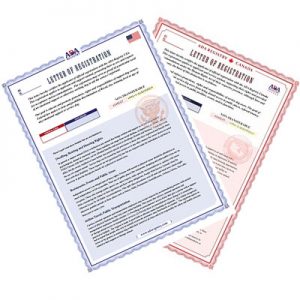
USA & CANADA Letters
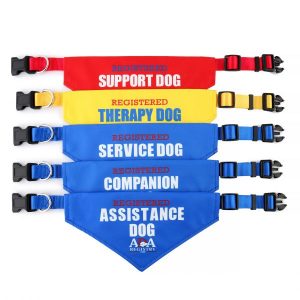
High Quality Bandanas
Service Dog Tags
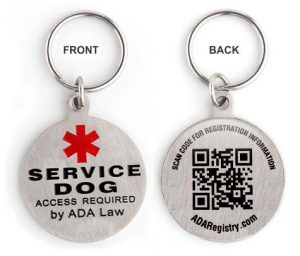
Smart Tags

ESA TAGS