American Eskimo Dog as an Emotional Support Dog
Register Any Breed
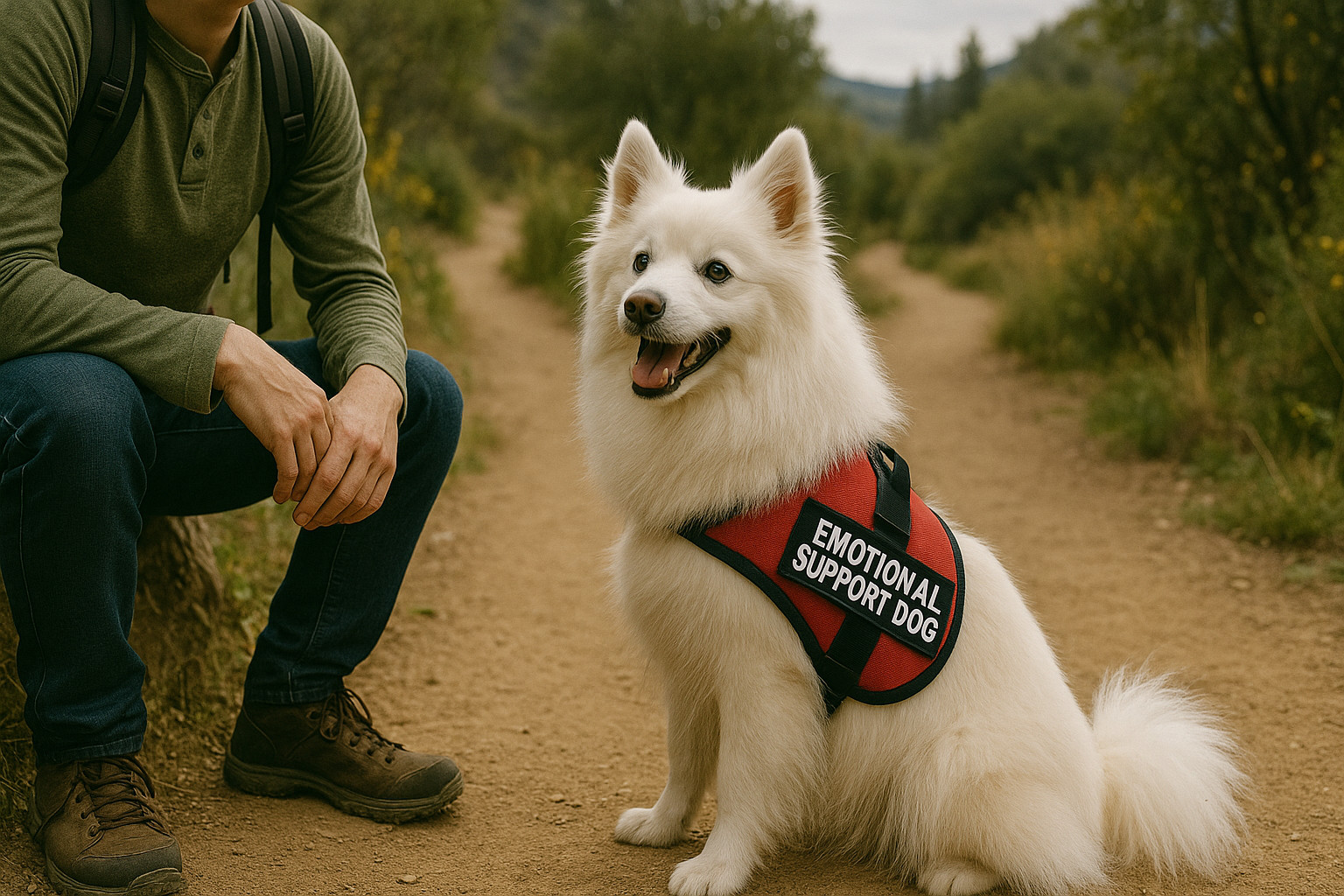
The American Eskimo Dog, with its charm and intelligence, often emerges as a cherished companion for those seeking emotional solace. Known for its striking white coat and lively personality, this breed holds much potential as an emotional support dog. In this guide, we delve into how the American Eskimo Dog fits into the emotional support role, focusing on its temperament, adaptability, and the unique comforts it can provide to its human companions.
Understanding the Emotional Support Role
Emotional support animals (ESAs) differ significantly from service dogs, although both offer solace and companionship. ESAs are not required to perform specific tasks but instead provide comfort through their presence, capable of alleviating symptoms of emotional or psychiatric conditions. Their role is deeply intertwined with creating emotional stability through affection, presence, and companionship.
American Eskimo Dog Overview
The American Eskimo Dog, a member of the Spitz family, is renowned for its beauty and affability. Generally weighing between 10-35 pounds and standing 9-19 inches tall, this breed is known for its fluffy, dense coat and striking expressions. Despite its name, the breed originates from the German Spitz and was rebranded in the United States during World War I. Distinct for its versatility and trainability, this dog breed is well-suited for various support roles.
Temperament and Emotional Connection
The temperament of the American Eskimo Dog is ideal for establishing emotional connections. These dogs are:
- Affectionate and Loyal: They build strong bonds with their owners, providing a reassuring presence.
- Intelligent: Easily trainable with an intuitive ability to read human emotions, making them quick to respond to their owner’s emotional needs.
- Alert: Maintains a watchful and protective demeanor without being aggressive, contributing to a sense of security.
This breed’s playful and gentle nature often induces feelings of happiness and relaxation, crucial in reducing anxiety and loneliness.
Adaptability and Daily Behavior
Adaptability is a key factor in the American Eskimo Dog’s role as an ESA. They thrive in various environments, adapting well to changes and making them capable of supporting owners with dynamic lifestyles. The breed’s moderate energy level suits both active and relaxed day-to-day routines:
- Active Engagement: Enjoys regular walks and playtime, which can motivate owners to maintain a healthy lifestyle.
- Calm Companionship: Capable of keeping a peaceful atmosphere at home, ideal for those needing serene companionship.
Situations Where American Eskimo Dog Provides Strong Support
Due to their intuitive nature, American Eskimo Dogs excel in situations that require emotional sensitivity. They can provide comfort in:
Register Any Breed
- Stressful Home Environments: Their calm presence can alleviate tension and anxiety.
- Loneliness Among the Elderly or Single Individuals: Their companionship can significantly reduce feelings of isolation.
- Support During Mental Health Challenges: Particularly beneficial for those experiencing depression or PTSD due to their comforting disposition.
Ideal Living Environments
American Eskimo Dogs are versatile and can thrive in various living environments:
- Apartments and Urban Settings: Their small to medium size and adaptable nature make them suitable for compact living spaces.
- Family Homes: They enjoy family dynamics and are good with children, contributing positively to a family’s emotional well-being.
- Assisted Living Facilities: Their gentle nature and minimal exercise needs make them excellent companions for the elderly.
Bonds with Different Types of People
This breed is particularly adept at forming connections with a diverse range of people due to its warm, engaging personality:
- Families: Provides affection and attention to all family members, often acting as a unifier.
- Singles and Young Adults: Offers companionship that fits active or introspective lifestyles.
- Seniors: Their manageable size and gentle nature make them ideal for providing comfort to older individuals.
Health, Care, and Wellbeing
Maintaining the health and well-being of the American Eskimo Dog ensures they perform at their best as emotional support animals.
Common Health Considerations
American Eskimo Dogs, like all breeds, come with their own health considerations:
- Joint Health: Prone to hip dysplasia, requiring regular check-ups and a balanced diet.
- Eye Conditions: Regular veterinary visits can prevent and manage common eye issues.
- Weight Management: Monitoring diet is crucial to prevent obesity, which impacts overall health and mood.
Grooming, Comfort, and Maintenance Needs
Regular grooming sessions are necessary, not only for health reasons but for bonding and comfort:
- Weekly Brushing: Keeps their coat clean and reduces shedding, making them more comfortable.
- Bathing and Hygiene: Regular baths and dental care prevent skin and dental issues.
- Nail Trimming: Regular maintenance ensures no discomfort occurs, keeping their emotional demeanor stable.
Preparing a American Eskimo Dog for Emotional Support Work
Preparation involves training and ensuring the dog can handle various emotional support situations with calm and ease.
Socialization and Responsiveness
Proper socialization is essential, as is ensuring the dog is responsive to emotional cues:
- Puppy Classes: Early socialization helps in developing their friendly nature further.
- Training for Responsiveness: Reinforces obedience and attentiveness to human emotions, crucial for emotional support roles.
Managing Stress and Emotional Cues
Training them to manage stress and respond to emotional cues includes:
- Desensitization: Helps them to remain calm in high-stress environments.
- Positive Reinforcement: Builds confidence and encourages desired behaviors that comfort their owners.
Strengths, Challenges, and Ideal Homes for American Eskimo Dog
The strengths of this breed are well-aligned with the demands of an emotional support role:
- Strengths: Their intelligence, loyalty, and adaptability make them exceptional companions.
- Challenges: Requires regular grooming and mental stimulation to prevent boredom-induced behaviors.
- Ideal Homes: Best suited for individuals or families seeking affectionate and adaptable companion animals.
Final Thoughts
The American Eskimo Dog’s endearing personality and ability to offer genuine emotional support make it an excellent candidate for those seeking companionship and emotional stability. With proper training and care, they can provide unwavering comfort and joy, enhancing the lives of their owners.
Key Takeaways for the American Eskimo Dog as an Emotional Support Dog
- Best suited for: Families, singles, seniors in smaller living spaces.
- Not ideal for: Owners unable to commit to regular grooming or those with severely restricted mobility.
- Emotional traits: Loyal, empathetic, affectionate.
- Care and health notes: Requires grooming, regular vet check-ups for joint, and eye health.
- Environments where they provide the most comfort: Apartments, family homes, assisted living facilities.
By understanding the unique emotional offerings of the American Eskimo Dog, individuals can determine if this breed aligns with their emotional support needs.


-
Public Access Kits
$149.00 Learn more This product has multiple variants. The options may be chosen on the product page -
Quick Ship Premium Vests
$48.00 – $82.00 Learn more This product has multiple variants. The options may be chosen on the product page -
Service Dog Bandana
$39.95 Learn more This product has multiple variants. The options may be chosen on the product page
Custom ID Cards

Custom ID Cards
Custom Service Dog Tags

Official Dog Vests

Smart Vests
Official Public Access Kits
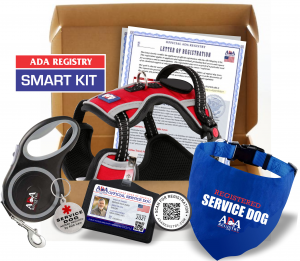
Complete Kits
USA & CANADA Letters

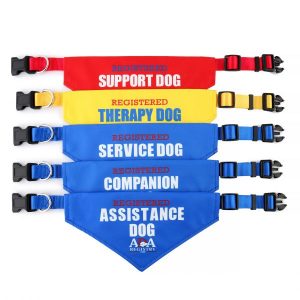
High Quality Bandanas
Service Dog Tags
Smart Tags

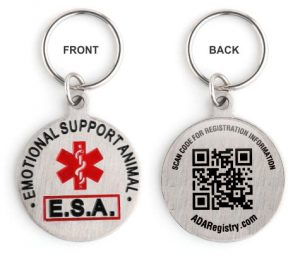
ESA TAGS