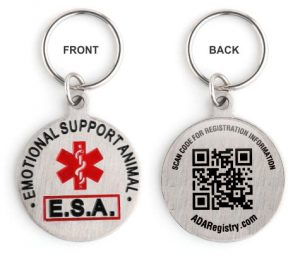
Beagle as an Emotional Support Dog
Register Any Breed
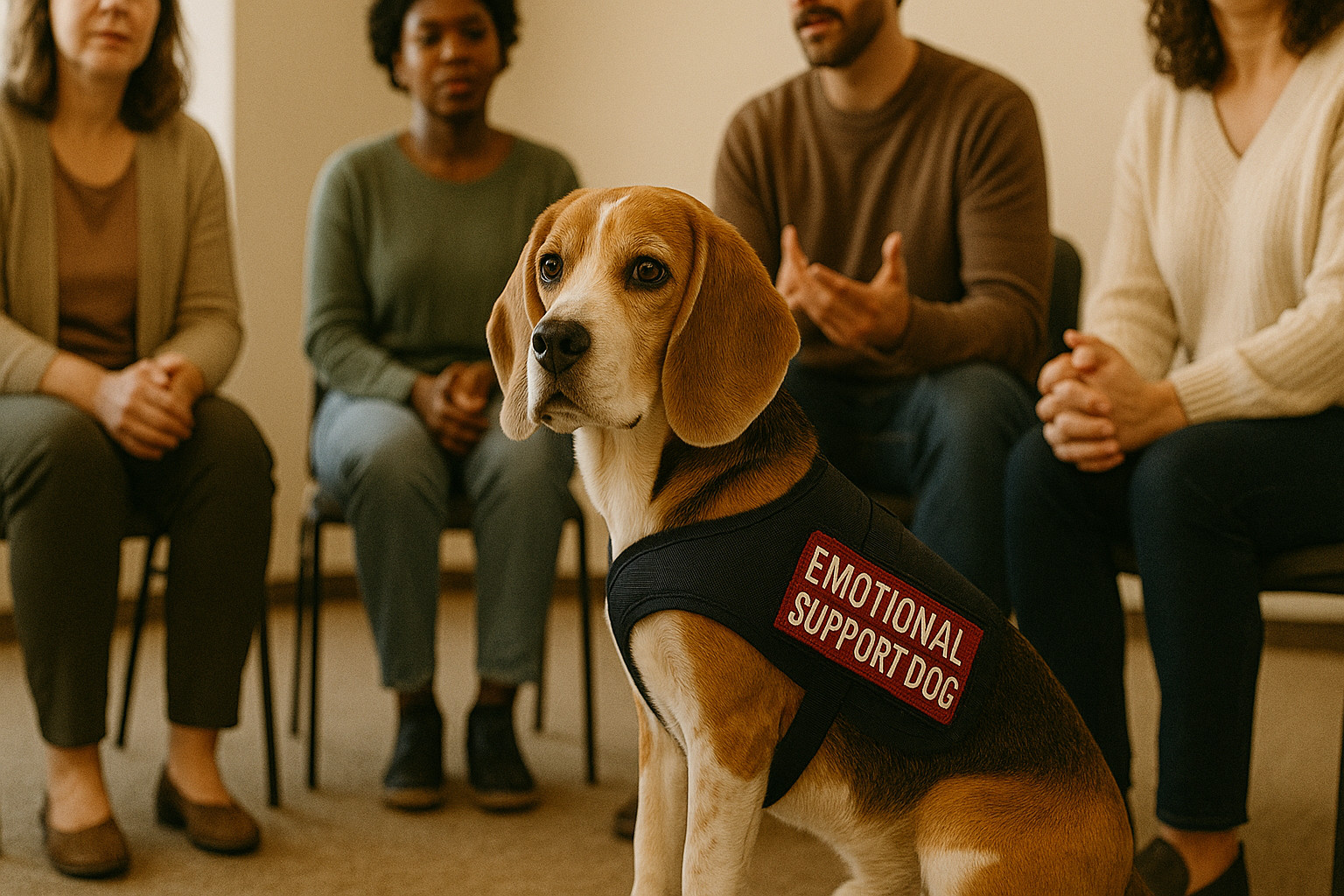
The Beagle, with its charming personality and expressive features, is a popular choice as an emotional support dog. Known for their friendly and gentle demeanor, Beagles have a history steeped in companionship and loyalty, making them ideal for comforting their human counterparts. This article delves into the various aspects that make Beagles well-suited for emotional support roles, while also highlighting the considerations necessary for their care and well-being.
Understanding the Emotional Support Role
Emotional support dogs provide a sense of security and comfort to individuals experiencing emotional distress or mental health challenges. Unlike service dogs, they need not undergo specialized tasks training but offer therapeutic benefits through companionship and affection. In this context, the Beagle shines as a beacon of warmth and cuteness, naturally inclined to forge strong emotional bonds.
Beagle Overview
Beagles are a small to medium-sized breed characterized by their compact size, which makes them manageable companions, more so in compact living spaces. Historically bred for hunting, Beagles possess a keen sense of smell and a curious nature. Their physical resilience and mental alertness are testament to centuries of evolution as adept sniffers, but today, these traits augment their ability to stay attuned to their owner’s emotional states.
Temperament and Emotional Connection
The temperament of a Beagle is often described as merry and even-tempered. Their natural inclination to be social and affectionate translates into a profound ability to connect emotionally with humans. Beagles are:
- Sensitive and intuitive: They exhibit an innate sensitivity to human emotions, often providing reassurance through mere presence or comforting touches.
- Affectionate companions: They thrive on companionship and exhibit behaviors that nurture a sense of belonging and security, effectively alleviating feelings of isolation or anxiety.
Their expressive faces, characterized by soulful eyes, can often seem to mirror the emotions of their owners, fostering a deeper emotional connection.
Adaptability and Daily Behavior
Beagles are adaptable creatures, making them suitable for diverse environments and lifestyles:
- Energy levels: Walking and playing with a Beagle can help curb their natural energetic tendencies while providing therapeutic physical activity for their owners.
- Routines and adaptability: They adjust well to structured routines, which can be beneficial for individuals who flourish with consistency.
Being pack animals, Beagles fit seamlessly into family life or can focus their affections on single-person households, catering to their owner’s unique emotional needs.
Register Any Breed
Situations Where Beagle Provides Strong Support
In emotionally challenging situations, a Beagle’s supportive role is invaluable:
- Combatting loneliness: Their desire to be close offers constant company, vital for individuals facing loneliness.
- Anxiety reduction: The physical action of petting a Beagle can reduce cortisol levels, thus alleviating stress.
- Mood enhancement: Their playful antics and gentle personas inject elements of joy and laughter, boosting spirits during trying times.
Ideal Living Environments
Beagles tend to thrive in environments that allow them interaction and engagement:
- Apartment living: Their size and calm demeanor make them suitable companions for apartment dwellers.
- Family homes: They integrate well into family settings, bringing additional love and playfulness to children and adults alike.
- Assisted living communities: Their therapeutic presence can provide seniors with companionship and emotional stability.
Bonds with Different Types of People
Beagles are adept at forming bonds across different demographics due to their empathetic nature:
- Children: They are patient and tolerant, often acting as protective playmates.
- Adults: With their soothing presence, they provide comfort and emotional understanding.
- Elderly individuals: For seniors, they offer gentleness and help combat feelings of loneliness or depression.
Health, Care, and Wellbeing
To maintain their ability to offer emotional support, Beagles require comprehensive care and attention to their health and grooming needs.
Common Health Considerations
Beagles, generally healthy, are predisposed to specific health issues:
- Obesity: Regular exercise and a balanced diet are crucial, as Beagles are prone to weight gain.
- Ear infections: Their floppy ears necessitate regular cleaning to prevent infections.
Attending regular veterinary check-ups can ensure issues are promptly addressed, maintaining their capacity for emotional support.
Grooming, Comfort, and Maintenance Needs
Beagles are low-maintenance in terms of grooming:
- Coat care: Regular brushing helps reduce shedding and maintain coat health.
- Exercise needs: Consistent physical activity is necessary to prevent behavioral problems and promote health.
Maintaining their comfort through proper care allows them to remain dedicated emotional support animals.
Preparing a Beagle for Emotional Support Work
Socialization and Responsiveness
Proper socialization ensures a Beagle is confident and manageable in various settings:
- Early socialization: Exposure to different environments, people, and animals fosters adaptability and reduces fear-based behaviors.
- Training: Basic obedience training enhances responsiveness and enriches the emotional support bond.
Managing Stress and Emotional Cues
A Beagle trained to recognize and respond to emotional cues can be more effective in providing support:
- Detecting distress: Their acute sensitivity allows them to pick up on subtle emotional changes, offering comfort upon sensing distress.
- Stress management: Ensuring a calm environment and addressing their exercise needs aids in minimizing stress levels, allowing them to focus on emotional support duties.
Strengths, Challenges, and Ideal Homes for Beagle
While Beagles excel in providing emotional support, prospective owners should understand the breed’s nuanced behaviors:
- Strengths: Loveable, loyal, and responsive, making them excellent emotional companions.
- Challenges: Their natural curiosity can lead to mischievous behavior without adequate engagement.
Ideal homes are those that provide sufficient companionship and emotional interaction with an understanding of the Beagle’s needs and quirks.
Final Thoughts
Choosing a Beagle as an emotional support animal can result in a mutually enriching relationship. Their intrinsic qualities—empathy, affection, and a zest for life—pair perfectly with their role in alleviating human emotional struggles.
Key Takeaways for the Beagle as an Emotional Support Dog
- Best suited for: Individuals or families seeking a loving and engaging companion in various living environments.
- Not ideal for: Owners unable or unwilling to meet their exercise and social interaction needs.
- Emotional traits: Empathetic, affectionate, and resilient, offering genuine companionship.
- Care and health notes: Require regular exercise, a balanced diet, and attentive grooming.
- Environments where they provide the most comfort: Apartments, family homes, and assisted living settings where their presence can truly shine.
As delightful as they are supportive, Beagles as emotional support dogs remind us of the profound impact of companionship, enhancing life’s quality through their simple, unwavering presence.


-
Public Access Kits
$149.00 Learn more This product has multiple variants. The options may be chosen on the product page -
Quick Ship Premium Vests
$48.00 – $82.00 Learn more This product has multiple variants. The options may be chosen on the product page -
Service Dog Bandana
$39.95 Learn more This product has multiple variants. The options may be chosen on the product page
Custom ID Cards

Custom ID Cards
Custom Service Dog Tags

Official Dog Vests

Smart Vests
Official Public Access Kits

Complete Kits
USA & CANADA Letters

High Quality Bandanas
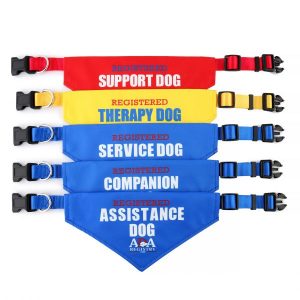
Service Dog Tags
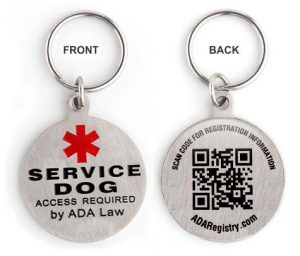
Smart Tags

ESA TAGS