Maine Service Dog Laws
Register Any Breed
Any size or breed of dog can be an emotional support or service dog, emotional support dogs do not have to be professionally-trained to perform any task. Service dogs can be trained by their owners or in any other manner the owner desires.
Navigating the legal landscape of service dogs in Maine involves understanding both federal and state-specific laws. Service dog handlers must be aware of their rights, responsibilities, and the distinctions between service animals and other types of assistance animals. This guide provides a comprehensive overview of service dog laws in Maine.
Overview of Service Dog and Legal Definitions in Maine
What is a Service Dog?
A service dog is defined as a dog that is individually trained to perform tasks or do work for the benefit of an individual with a disability, including a physical, sensory, psychiatric, intellectual, or other mental disability. These tasks are directly related to the person’s disability. Unlike pets, service dogs are considered working animals.
How Service Dogs Differ from Other Types of Assistance Animals
Assistance animals encompass service dogs, emotional support animals (ESAs), and therapy animals. Service dogs are the only type of assistance animals recognized under the Americans with Disabilities Act (ADA) for public access rights. In contrast, ESAs provide emotional support but are not trained to perform specific tasks, and thus, do not have the same public access rights.
Key Federal Laws Affecting Service Dogs
Understanding federal laws is essential, as they set the foundation for service dog rights across the United States, including Maine.
- Americans with Disabilities Act (ADA): Ensures public access for individuals with disabilities and their service dogs in businesses, government buildings, and non-profit organizations.
- Fair Housing Act (FHA): Protects the rights of individuals to live with their service dogs without facing discrimination in housing.
- Air Carrier Access Act (ACAA): Governs the rules for traveling by air with service dogs, though new regulations have recently changed how airlines accommodate these animals.
State-Specific Service Dog Laws in Maine
Housing Rights and Responsibilities
Under both the ADA and FHA, individuals with service dogs in Maine have the right to live with their service animals, even in housing with “no pets” policies. Landlords and housing providers cannot impose pet fees for service dogs. However, tenants can be held financially responsible for any damages caused by the service dog.
Public Access and Accommodation
Service dogs are permitted in all public spaces in Maine where the general public is allowed, including restaurants, hotels, stores, and theaters. Businesses cannot require service dog owners to show documentation as a condition of entry, although they may ask if the dog is required because of a disability and what tasks the dog has been trained to perform.
Transportation and Travel Rules
Maine adheres to federal guidelines under the ADA, allowing service dogs on public transportation systems, including buses and trains. For air travel, service dog handlers should check with airlines in advance due to potential variations in policies since the ACAA update in 2020.
Register Any Breed
Any size or breed of dog can be an emotional support or service dog, emotional support dogs do not have to be professionally-trained to perform any task. Service dogs can be trained by their owners or in any other manner the owner desires.
Employment and Workplace Considerations
Under the ADA, employers in Maine must provide reasonable accommodations for employees with service dogs. This includes allowing service dogs in the workplace, unless it poses an undue hardship. Employers can request documentation to verify the need for accommodation but must keep any medical information confidential.
Documentation, Requirements, and Processes in Maine
Service Dog Documentation and Who Can Issue It
While no specific certification is required for service dogs under federal law, some handlers might voluntarily choose to have their dogs certified or registered with a recognized service dog organization. However, these certifications do not replace the rights granted under the ADA and Maine law.
Landlord, Business, and Provider Verification Rules
In Maine, businesses and landlords can ask only two questions to determine a service dog’s legitimacy:
- Is the dog required because of a disability?
- What work or task has the dog been trained to perform?
Entities are prohibited from requesting any medical documentation, special identification card, or training documentation for the dog.
Rights, Limitations, and Legal Risks
Rights Service Dog Handlers Have in Maine
Handlers have the right to enter public spaces, housing, and workplaces with their service dogs. They are entitled to be free from discrimination based on their disabilities and association with a service dog.
Limits on Service Dog Protections and Common Restrictions
Certain areas are exempt from accommodating service dogs, such as sterile hospital sections, food preparation areas, and locations where the presence of animals is genuinely disruptive or harmful to the nature of services provided.
Penalties for Fraud or Misrepresentation
Maine law imposes penalties for individuals who fraudulently misrepresent a pet as a service animal. This can include fines and other legal consequences, serving as a deterrent against abuse of the ADA and related laws.
Practical Guidance for Service Dog Handlers in Maine
How to Qualify for a Service Dog Legitimately
Individuals should have a documented disability and a justified need for a service animal that performs a task directly related to that disability. Partnering with a reputable service dog organization can also ensure proper training and support.
How to Talk to Landlords, Airlines, and Employers
Prepare documentation related to your disability and the tasks the dog performs. Communicate clearly and assertively about your rights under the ADA and Maine laws, adhering to their requirements while also respecting their rights to inquire about necessary details.
Summary of Service Dog Laws in Maine
Here is a concise checklist for residents of Maine:
- Service Dog Definition: Must be trained to perform specific tasks that assist with a disability.
- Federal and State Rights: Rights include public access and housing protections, but certain restrictions apply.
- Verification Limits: Only basic information can be requested by landlords and businesses.
- Legal Risks: Misrepresentation penalties are in place to prevent fraud.
- Practical Steps: Document your needs, communicate effectively, and follow compliance guidelines to avoid disputes.
By understanding and adhering to these guidelines, service dog handlers in Maine can protect their rights and ensure that their needs are effectively met within the legal framework.


-
Public Access Kits
$149.00 Learn more This product has multiple variants. The options may be chosen on the product page -
Quick Ship Premium Vests
$48.00 – $82.00 Learn more This product has multiple variants. The options may be chosen on the product page -
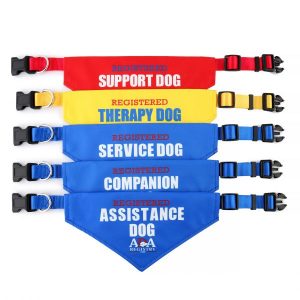
Service Dog Bandana
$39.95 Learn more This product has multiple variants. The options may be chosen on the product page
Custom ID Cards

Custom ID Cards
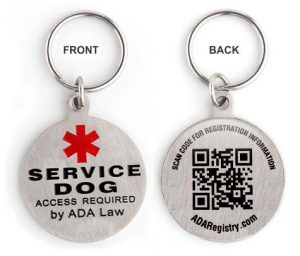
Custom Service Dog Tags
Official Dog Vests

Smart Vests
Official Public Access Kits
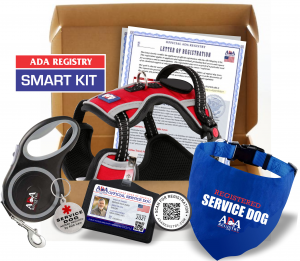
Complete Kits
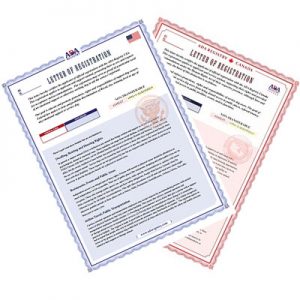
USA & CANADA Letters
High Quality Bandanas
Service Dog Tags
Smart Tags
ESA TAGS