Massachusetts Service Dog Laws
Register Any Breed
Example Cards Available In USA And Canada

Overview of Service Dog and Legal Definitions in Massachusetts
Navigating the intricacies of service dog laws can be overwhelming, especially considering the blend of federal and state regulations that apply. In Massachusetts, understanding these laws is crucial for service dog handlers, landlords, employers, and businesses to ensure they uphold legal standards while respecting the rights of individuals with disabilities.
What is a Service Dog?
A service dog is specially trained to perform tasks for an individual with a disability. According to the Americans with Disabilities Act (ADA), a service dog’s tasks must directly relate to the handler’s disability, such as guiding a visually impaired person, alerting a deaf individual to sounds, pulling a wheelchair, or providing alerts to a person with epilepsy that a seizure is imminent. The ADA defines these animals as dogs specially trained to perform work or tasks for people with disabilities, distinguishing them clearly from pets.
How Service Dogs Differ from Other Types of Assistance Animals
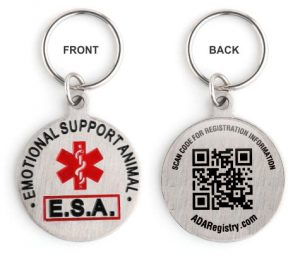
Service dogs are distinct from other types of assistance animals, such as emotional support animals (ESAs) or therapy dogs. ESAs provide comfort merely by being with a person and do not require special training to perform specific tasks that alleviate a disability. This lack of task-specific training is a critical distinction because, under the ADA and most state laws, ESAs and therapy dogs do not have the same access rights in public places as service dogs.
Key Federal Laws Affecting Service Dogs
Several federal laws govern the use and rights of service dogs, including:
- Americans with Disabilities Act (ADA): The ADA ensures service dogs have access to public spaces, including restaurants, stores, and public buildings.
- Fair Housing Act (FHA): The FHA prohibits discrimination in housing and ensures that individuals with disabilities are allowed to have service dogs, even in housing that typically has a no-pets policy.
- Air Carrier Access Act (ACAA): The ACAA protects the rights of service dog handlers when flying, allowing service dogs to accompany their handlers in the cabin.
State-Specific Service Dog Laws in Massachusetts
Massachusetts follows federal guidelines closely but also has specific laws that enhance the protection of service dog handlers and clarify the responsibilities and rights involved.
Housing Rights and Responsibilities
Under Massachusetts state law, service dogs, like those protected under the FHA, must be accommodated in housing situations, regardless of no-pet policies. Landlords cannot charge pet fees or deposits for service dogs, though tenants are responsible for any damage the service animal may cause. Importantly, individuals may request reasonable accommodations for modifications or exceptions to pet restrictions.
Public Access and Accommodation
Massachusetts laws align with the ADA, granting service dogs access to public spaces, including restaurants, retail stores, healthcare facilities, and any other places open to the public. Business owners can only ask two questions if it isn’t obvious what service the dog provides: “Is the dog a service animal required because of a disability?” and “What work or task has the dog been trained to perform?” They cannot request documentation or demand the dog to demonstrate its task.
Register Any Breed
Example Cards Available In USA And Canada
Transportation and Travel Rules
Transportation systems, including buses, trains, and taxis, must accommodate service dogs without extra charge. The ACAA ensures service dogs are permitted on airplanes, though airlines may require advance notice and appropriate seating arrangements to safely accommodate the animal and its handler.
Employment and Workplace Considerations
Employers in Massachusetts must comply with the workplace accommodation requirement under the ADA, meaning they need to allow service dogs as a reasonable accommodation for employees with disabilities. Employers cannot disallow a service dog for personal dislike of dogs or concern for co-workers’ allergies, unless they can provide an undue hardship or show that the presence of the dog significantly disrupts the workplace.
Documentation, Requirements, and Processes in Massachusetts
Service Dog Documentation and Who Can Issue It
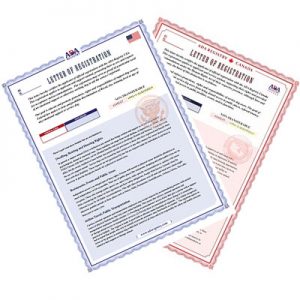
Massachusetts does not require specific service dog certification or registration. However, handlers might find it beneficial to have documentation indicating their need for a service dog, typically issued by a healthcare provider, which can facilitate smoother interactions in housing or travel situations.
Landlord, Business, and Provider Verification Rules
As businesses cannot demand documentation according to the ADA, landlords or housing providers in Massachusetts may only request documentation if the disability and the need for a service dog are not obvious.
Rights, Limitations, and Legal Risks
Rights Service Dog Handlers Have in Massachusetts
- Full and equal access to all public places
- Right to enter any mode of public transportation
- Equal treatment in housing arrangements
Limits on Service Dog Protections and Common Restrictions
Service dogs may be excluded if they are out of control and the handler does not take effective action to control it, or if the dog is not housebroken. Places of worship and religious institutions are exempt from ADA compliance and may set their own access rules for service dogs.
Penalties for Fraud or Misrepresentation
Falsely representing a dog as a service animal can result in legal penalties under Massachusetts law. Such misrepresentations undermine the legitimacy and rights of legitimate service dog teams and can result in fines or other legal actions.
Practical Guidance for Service Dog Handlers in Massachusetts
How to Qualify for a Service Dog Legitimately
Qualifying for a service dog involves having a disability and requiring a dog trained to perform specific tasks that mitigate that disability. Engaging with professional trainers or accredited service dog organizations can streamline the process of obtaining a suitable service dog.
How to Talk to Landlords, Airlines, and Employers
- Landlords: Provide reasonable documentation if needed but insist on the service dog’s essential role.
- Airlines: Notify them in advance and review specific airline policies for flying with a service dog.
- Employers: Discuss the accommodations needed due to the service dog and how they will assist in carrying out job functions.
Summary of Service Dog Laws in Massachusetts
- Access: Service dogs are allowed in public spaces and housing, aligning with federal laws.
- Documentation: Not typically required but can be beneficial in some circumstances.
- Restrictions: Dogs must remain under control and be housebroken.
- Rights: Protection under ADA for access and FHA for housing accommodations.
Key Points for Service Dog Handlers:
- Know Your Rights: Be aware of the ADA, FHA, and ACAA to protect and exercise your rights correctly.
- Documentation: While not always required, keep disability documentation handy for housing and travel discussions.
- Communication: Maintain open, informative communication with landlords, employers, and transportation providers.
- Training and Control: Ensure your service dog is well-trained and behaves appropriately in public spaces.
By understanding these laws and practices, Massachusetts residents with service dogs can navigate their daily lives confidently, aware of the legal protections in place to support them.


-
Public Access Kits
$149.00 Learn more This product has multiple variants. The options may be chosen on the product page -
Quick Ship Premium Vests
$48.00 – $82.00 Learn more This product has multiple variants. The options may be chosen on the product page -
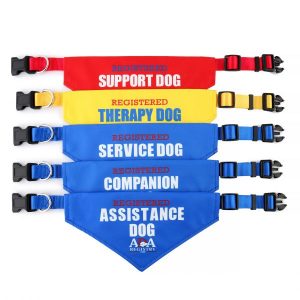
Service Dog Bandana
$39.95 Learn more This product has multiple variants. The options may be chosen on the product page
Custom ID Cards

Custom ID Cards
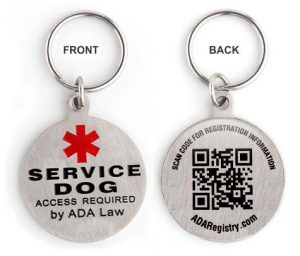
Custom Service Dog Tags
Official Dog Vests

Smart Vests
Official Public Access Kits
Complete Kits
USA & CANADA Letters
High Quality Bandanas
Service Dog Tags
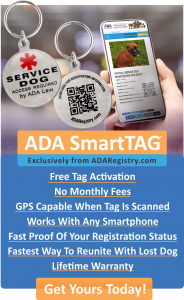
Smart Tags
ESA TAGS