Minnesota Service Dog Laws
Register Any Breed
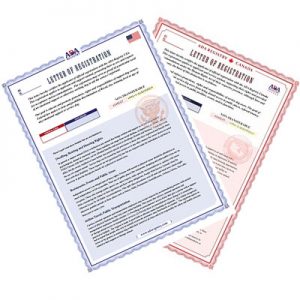
Example Cards Available In USA And Canada
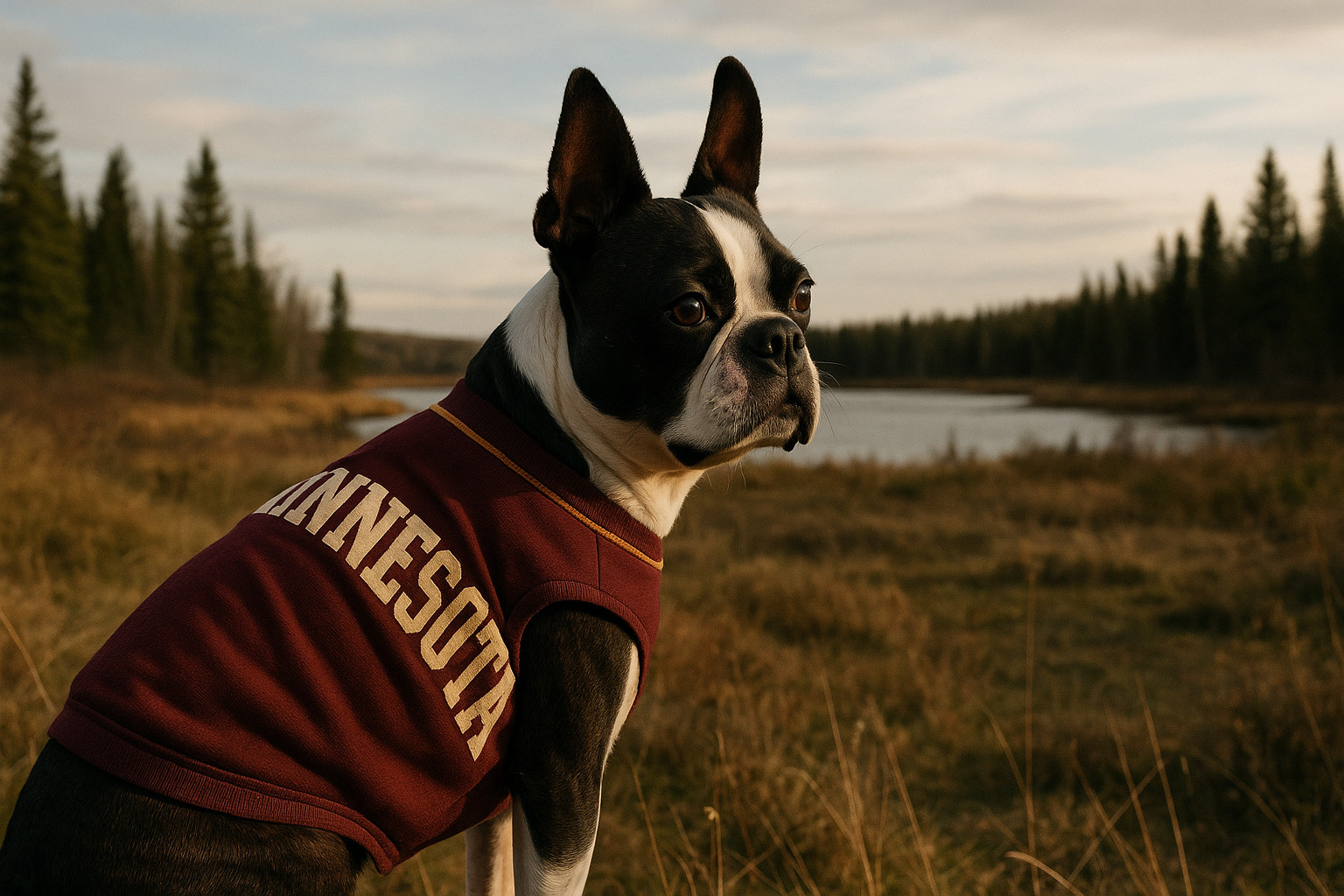
Understanding the legal landscape regarding service dogs in Minnesota is crucial for dog handlers and entities required to accommodate them. This comprehensive guide navigates through federal and state laws, providing clarity on rights, responsibilities, and legal compliance related to service dogs.
Overview of Service Dog and Legal Definitions in Minnesota
What is a Service Dog?
Service dogs are specially trained animals that perform specific tasks to assist individuals with physical, sensory, psychiatric, intellectual, or other mental disabilities. Legally, a service dog in Minnesota — as in the rest of the United States — is recognized as an aid that directly mitigates its handler’s disability.
How Service Dogs Differ from Other Types of Assistance Animals
Service dogs stand apart from emotional support animals and therapy dogs due to the precise tasks they perform. Emotional support animals provide comfort by their presence alone and do not require specific training related to a disability. Therapy dogs are commonly found in clinical settings offering relief to multiple individuals and do not possess public access rights.
Key Federal Laws Affecting Service Dogs (e.g., ADA, FHA, ACAA)
- Americans with Disabilities Act (ADA): This comprehensive civil rights law prohibits discrimination against individuals with disabilities in all areas of public life. Under the ADA, fundamental access rights for service dogs are protected in public places.
- Fair Housing Act (FHA): Enforces equal housing opportunities, requiring landlords to provide reasonable accommodations for service dogs, even where pets are otherwise restricted.
- Air Carrier Access Act (ACAA): This regulation prohibits discrimination in air travel, offering guidelines for the transport of service animals on commercial flights.
State-Specific Service Dog Laws in Minnesota
While federal laws provide a framework for service dog rights, Minnesota’s specific statutes further define and support these regulations, enhancing protections within the state.
Housing Rights and Responsibilities
Under both federal and Minnesota state law, tenants with service dogs are entitled to reasonable accommodations. This includes the right to housing even in buildings with no-pet policies, provided the need for a service dog can be documented. Landlords are prohibited from imposing “pet rents” or deposits for service dogs, ensuring housing remains equitable.
Public Access and Accommodation
Service dog handlers in Minnesota enjoy robust public access rights. Businesses and government services must allow service dogs to accompany their handlers. However, the animal must remain under control and not disrupt normal operations.
Transportation and Travel Rules
Minnesota service dog users benefit from the ADA and state laws facilitating access to public transportation systems. Whether buses, trains, or planes, service dogs accompany their handlers at no additional charge. For air travel, the ACAA outlines further protections and typically requires documentation proving the dog’s service status and behavioral history.
Register Any Breed
Example Cards Available In USA And Canada
Employment and Workplace Considerations
Workplaces in Minnesota are required to reasonably accommodate employees with service dogs. This includes modifying office settings to ensure a workable environment. Employers can only ask for documentation that verifies the employee’s need for a service dog as a reasonable accommodation.
Documentation, Requirements, and Processes in Minnesota
Service Dog Documentation and Who Can Issue It
Although federal and state laws do not mandate certification for service dogs, providing documentation can facilitate smoother interactions with landlords, airlines, and employers. Health professionals or licensed trainers can issue letters certifying the need for a service dog.
Landlord, Business, and Provider Verification Rules
Entities in Minnesota have limited rights to request documentation. They can ask:
- If the dog is required due to a disability
- What tasks the dog has been trained to perform
They cannot request specific medical records or demand certification beyond what the law stipulates.
Rights, Limitations, and Legal Risks
Rights Service Dog Handlers Have in Minnesota
Handlers in Minnesota are entitled to:
- Free access to public accommodations and housing
- Non-discriminatory treatment in accessing services
- Right of access to employment and transportation facilities
Limits on Service Dog Protections and Common Restrictions
Certain areas, such as sterile medical environments or specific religious establishments with substantial doctrines, may not require service dog access. Dogs causing disruption or posing a threat to health and safety can legally be excluded.
Penalties for Fraud or Misrepresentation
Falsely claiming a pet as a service dog is a legal offense in Minnesota. Misrepresentation can lead to fines and legal actions, emphasizing the obligation of truthfulness from handlers.
Practical Guidance for Service Dog Handlers in Minnesota
How to Qualify for a Service Dog Legitimately
Individuals must have a disability and a need for specific assistance a service dog can provide. Working with licensed healthcare providers to evaluate and document this requirement is essential.
How to Talk to Landlords, Airlines, and Employers
When discussing service dog accommodations, provide clear and succinct documentation. Always communicate the necessity of the service dog and offer proof of training and good behavior to alleviate concerns.
Summary of Service Dog Laws in Minnesota
In summary, service dog handlers in Minnesota should be aware of the following:
- Legal Rights: Handlers have broad rights under ADA and Minnesota state laws in housing, public areas, transport, and employment.
- Limitations: Handlers must comply with reasonable conditions and understand environments where access can be legally restricted.
- Documentation: Maintaining concise documentation from legitimate sources facilitates smoother accommodation processes.
- Legal Risks: Misrepresentation is met with punitive measures, necessitating honest communication and adherence to the law.
- Practical Tips: Keep training current and ensure clear communication with stakeholders regarding the role and certification of one’s service dog.
By understanding and adhering to these guidelines, service dog handlers can ensure compliance while asserting their rights, promoting harmonious cohabitation within communities and minimizing legal risk.


-
Public Access Kits
$149.00 Learn more This product has multiple variants. The options may be chosen on the product page -
Quick Ship Premium Vests
$48.00 – $82.00 Learn more This product has multiple variants. The options may be chosen on the product page -
Service Dog Bandana
$39.95 Learn more This product has multiple variants. The options may be chosen on the product page
Custom ID Cards

Custom ID Cards
Custom Service Dog Tags
Official Dog Vests

Smart Vests
Official Public Access Kits
Complete Kits
USA & CANADA Letters
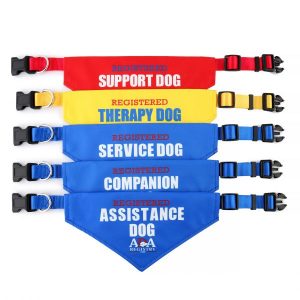
High Quality Bandanas
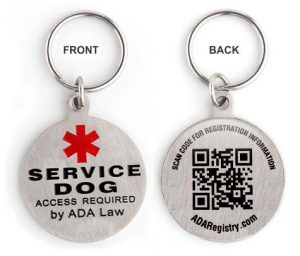
Service Dog Tags
Smart Tags
ESA TAGS