North Carolina Service Dog Laws
Register Any Breed
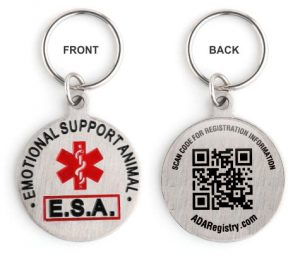
Example Cards Available In USA And Canada
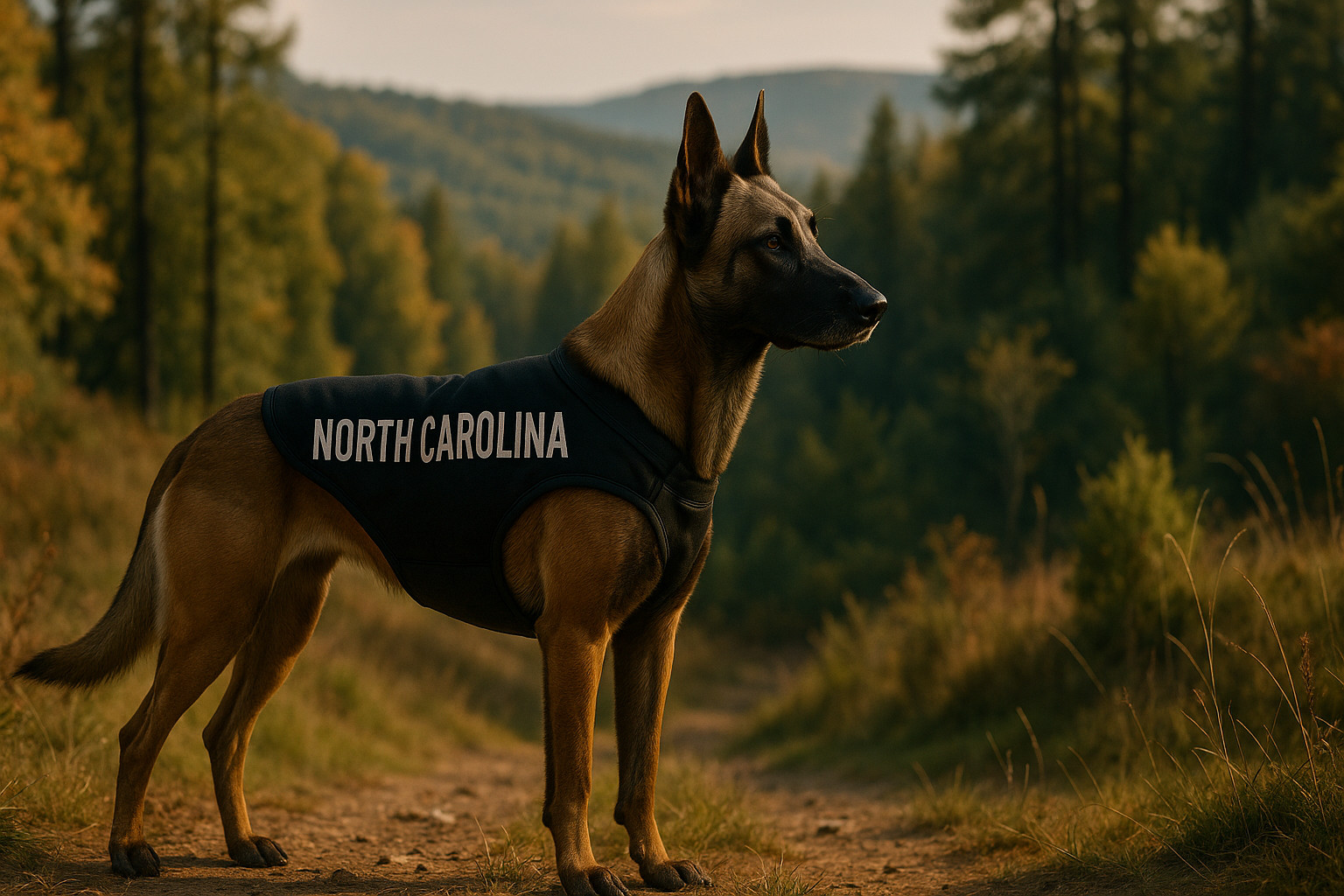
Service dogs play a vital role in enhancing the quality of life for individuals with disabilities. Understanding the legislative framework that governs their roles and rights is crucial, especially when navigating the specific statutes in states like North Carolina. This article provides a comprehensive guide to help you, whether you are a current or prospective service dog handler or simply have an interest in understanding these laws.
Overview of Service Dog and Legal Definitions in North Carolina
What is a Service Dog?
A service dog is a specially trained canine that performs specific tasks to assist individuals with disabilities. According to the Americans with Disabilities Act (ADA), service dogs are individually trained to perform work or tasks for a person with a disability, which can include physical, sensory, psychiatric, intellectual, or other mental disabilities. The tasks performed must be directly related to the person’s disability, distinguishing them from emotional support animals or pets.
How Service Dogs Differ from Other Types of Assistance Animals
While service dogs are trained to perform specific tasks that aid the disabled individual, assistance animals like emotional support animals do not require such task-specific training. Emotional support animals offer comfort through companionship, but their handlers are offered fewer legal protections. In contrast, therapy dogs provide emotional benefits in therapeutic settings but do not have public access rights like service dogs do.
Key Federal Laws Affecting Service Dogs (e.g., ADA, FHA, ACAA)
- Americans with Disabilities Act (ADA):
- Enforces public access rights for service dogs across the United States.
- Requires businesses and public spaces to allow service dogs, with exceptions limited to places that are not safe for any animals.
- Fair Housing Act (FHA):
- Mandates reasonable accommodation in housing for individuals with service dogs.
- Prevents housing providers from denying individuals based solely on their need for a service animal, even in communities with “no-pet” policies.
- Air Carrier Access Act (ACAA):
- Governs service dog access to aircraft, ensuring they can accompany their handler on flights.
- Covers the documentation airlines may request and the handler’s responsibilities during the flight.
State-Specific Service Dog Laws in North Carolina
Housing Rights and Responsibilities
Under North Carolina law, as per the FHA, service dog handlers have the right to housing accommodations that waive pet fees and restrictions. Landlords cannot reject tenants due to their need for a service dog, although they may require documentation proving the dog is indeed a service animal. However, handlers must uphold their end by ensuring the service dog does not damage property beyond typical wear and tear.
Public Access and Accommodation
In North Carolina, service dogs are permitted access to all public spaces alongside the ADA provisions. This includes businesses, hotels, restaurants, and public transit systems. Facilities cannot legally demand documentation for the service dog, though they may ask if the animal is required due to a disability and what tasks the animal has been trained to perform.
Transportation and Travel Rules
Transportation considerations in North Carolina align with ADA and ACAA. Buses, trains, and taxis cannot deny service dogs and their handlers. Airlines must also accommodate service dogs; although, following the ACAA, they can request that handlers provide documentation proving the animal’s function and ability to behave appropriately during the flight.
Employment and Workplace Considerations
In the workplace, employers must adhere to ADA guidelines and provide reasonable accommodations for service dogs unless it imposes an undue hardship. Employers can require information about the necessity of the service dog and the specific tasks it performs. Service dogs cannot be excluded unless they pose a direct threat or fundamental alteration to the operation of business activities.
Register Any Breed
Example Cards Available In USA And Canada
Documentation, Requirements, and Processes in North Carolina
Service Dog Documentation and Who Can Issue It
While the ADA does not require service dogs to be certified or to wear vests identifying them as service dogs, documentation from healthcare providers or dog trainers can help validate the necessity of the service dog. Usually, a simple statement from a doctor or mental health professional explaining the requirement suffices, particularly in housing and travel contexts.
Landlord, Business, and Provider Verification Rules
Landlords and service providers in North Carolina may verify the legitimacy of a service dog in certain contexts by asking limited questions about the necessity and trained tasks of the dog. However, they cannot demand extensive medical records or proof of training certificates. Businesses are generally discouraged from initiating verification unless the handler or dog’s conduct raises legitimate questions.
Rights, Limitations, and Legal Risks
Rights Service Dog Handlers Have in North Carolina
Service dog handlers in North Carolina enjoy robust rights, including full public access, the ability to live in non-pet-friendly housing with their service dog, and equality in the workplace. Violations can often lead to legal action against businesses or landlords infringing upon these rights.
Limits on Service Dog Protections and Common Restrictions
Despite broad protections, there are limits to service dog accommodations in places such as sterilized areas in hospitals or where animal allergens can jeopardize health standards. Furthermore, a misbehaving service dog can be legally excluded from premises if it poses a health or safety risk.
Penalties for Fraud or Misrepresentation
Misrepresenting a pet as a service dog is illegal in North Carolina, reflecting a broader effort to preserve the integrity of service animal rights. Offenders may incur fines or other penalties. This serves as a deterrent against abuse and underscores the seriousness of such a fraudulent claim.
Practical Guidance for Service Dog Handlers in North Carolina
How to Qualify for a Service Dog Legitimately
Qualifying for a service dog involves verification of a legitimate disability and identification of specific needs a service dog can meet. This requires collaboration with healthcare professionals to ensure proper documentation is in place before the training of a suitable service dog begins.
How to Talk to Landlords, Airlines, and Employers
Navigating conversations about your rights with landlords, airlines, and employers effectively involves communicating clearly about your needs and rights.
- Prepare Documentation: Always have relevant documentation readily available.
- Know Your Rights: Familiarize yourself with both federal and state laws regarding service dogs.
- Be Proactive: Approach discussions professionally and informatively to minimize misunderstandings.
Summary of Service Dog Laws in North Carolina
To encapsulate the complexities of service dog laws in North Carolina, consider the following key points:
- Full Public Access: Service dogs are allowed access to most public venues without discrimination.
- Housing Accommodations: Service dogs can reside with handlers despite “no-pet” policies.
- No Mandatory Certification: No official certification is needed, though documentation can assist in validating claims.
- Workplace Rights: Employees can request reasonable accommodations for service dogs.
- Legal Protections and Risks: Legal consequences exist for misrepresentation or unlawful refusal of service dogs.
By understanding these dimensions, service dog handlers in North Carolina can better assert their rights and responsibilities under state and federal laws. This proactive approach fosters harmonious coexistence between service dog handlers, businesses, landlords, and the broader community.


-
Public Access Kits
$149.00 Learn more This product has multiple variants. The options may be chosen on the product page -
Quick Ship Premium Vests
$48.00 – $82.00 Learn more This product has multiple variants. The options may be chosen on the product page -
Service Dog Bandana
$39.95 Learn more This product has multiple variants. The options may be chosen on the product page
Custom ID Cards
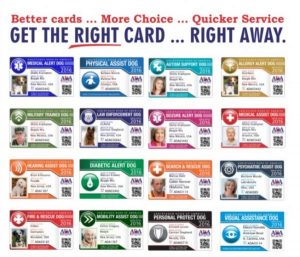
Custom ID Cards
Custom Service Dog Tags
Official Dog Vests
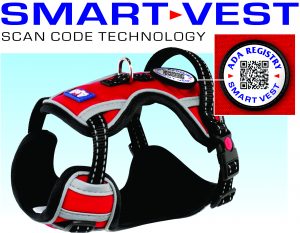
Smart Vests
Official Public Access Kits
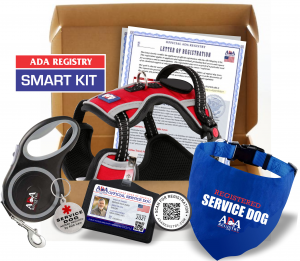
Complete Kits
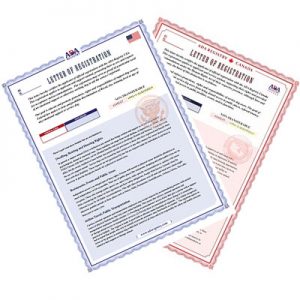
USA & CANADA Letters
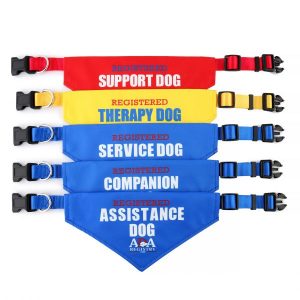
High Quality Bandanas
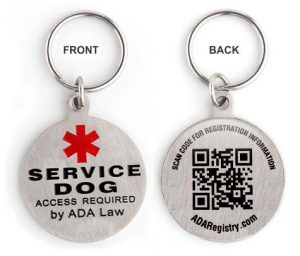
Service Dog Tags
Smart Tags
ESA TAGS